


















Home Ideas
Walk-in wardrobe ideas: design the perfect storage space

-15% £439.00
£372.99

-10% £579.00
£520.99

-8% £719.00
£661.99

-10% £529.00
£475.99

£869.00


-10% £799.00
£718.99

-10% £489.00
£439.99

-10% £529.00
£475.99

-8% £499.00
£458.99

£549.00

£469.00

£646.00

-10% £529.00
£475.99

-10% £489.00
£439.99

-10% £489.00
£440.99

-10% £599.00
£539.99

-10% £719.00
£647.99


-20% £646.00
£515.99


-8% £619.00
£568.99

-35% £429.00
£278.99

-10% £579.00
£520.99

-15% £739.00
£627.99

£439.00

£769.00

-10% £529.00
£475.99

-10% £869.00
£781.99

£539.00

-10% £569.00
£511.99

-8% £749.00
£688.99

-10% £549.00
£493.99

-10% £579.00
£520.99

-8% £499.00
£458.99

£669.00


£459.00
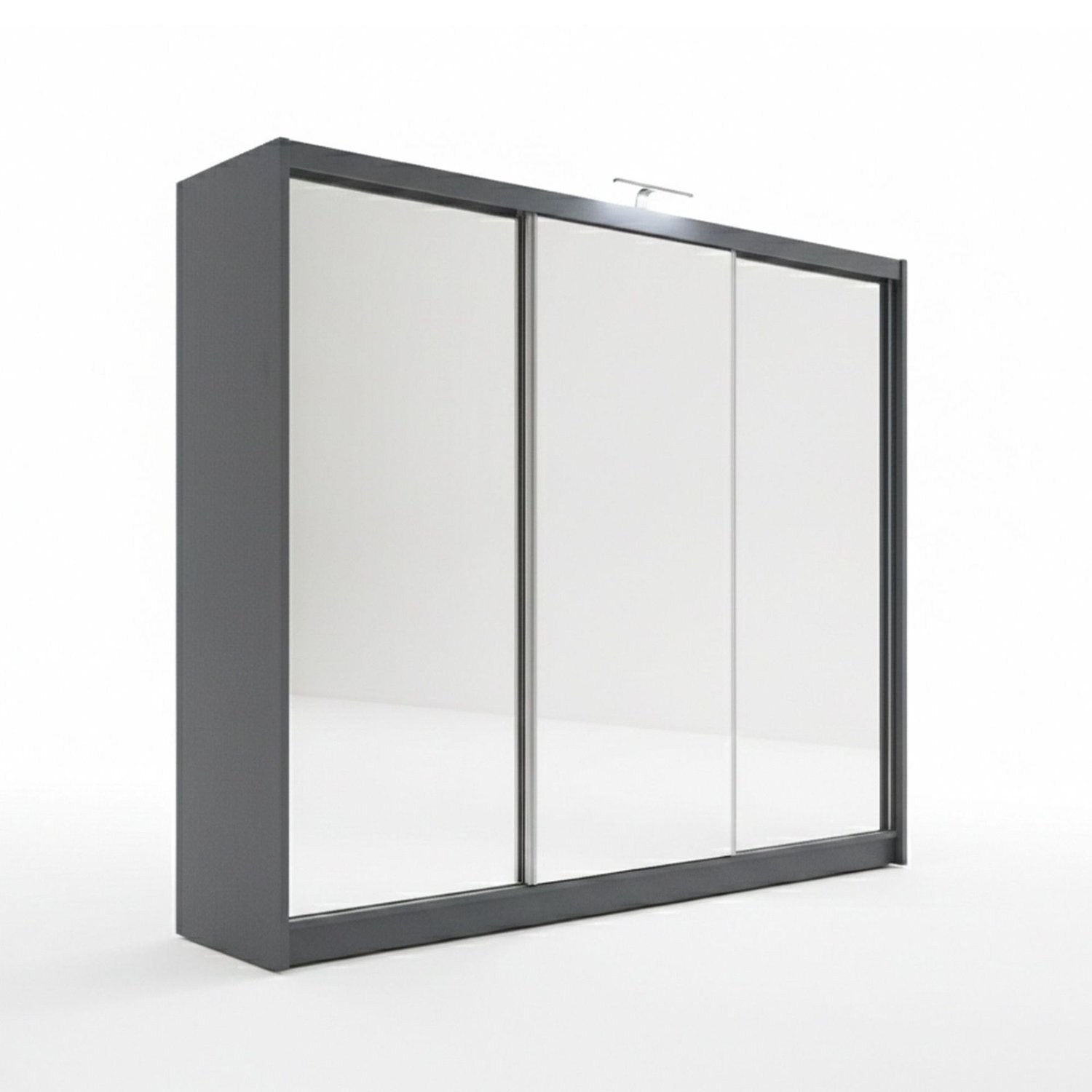

-8% £719.00
£660.99
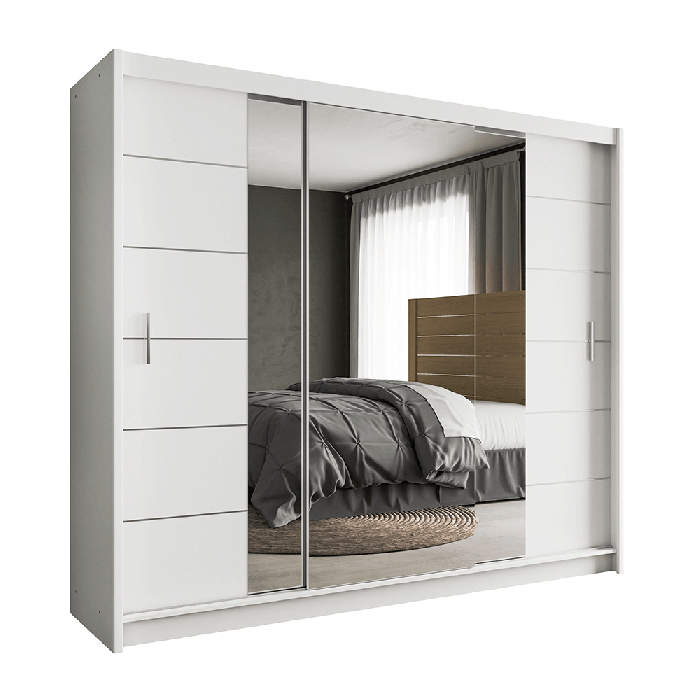

-12% £719.00
£631.99
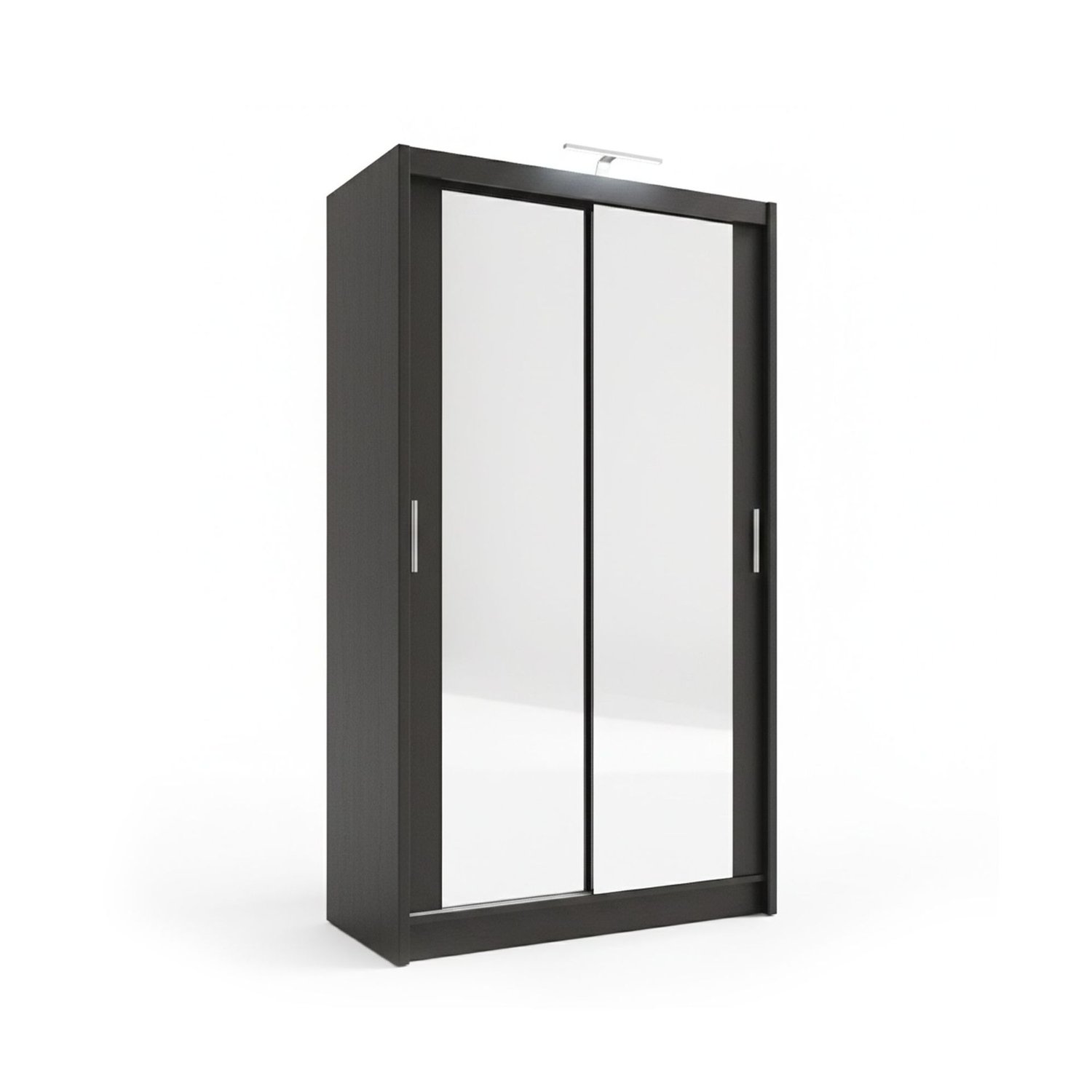

-15% £439.00
£372.99
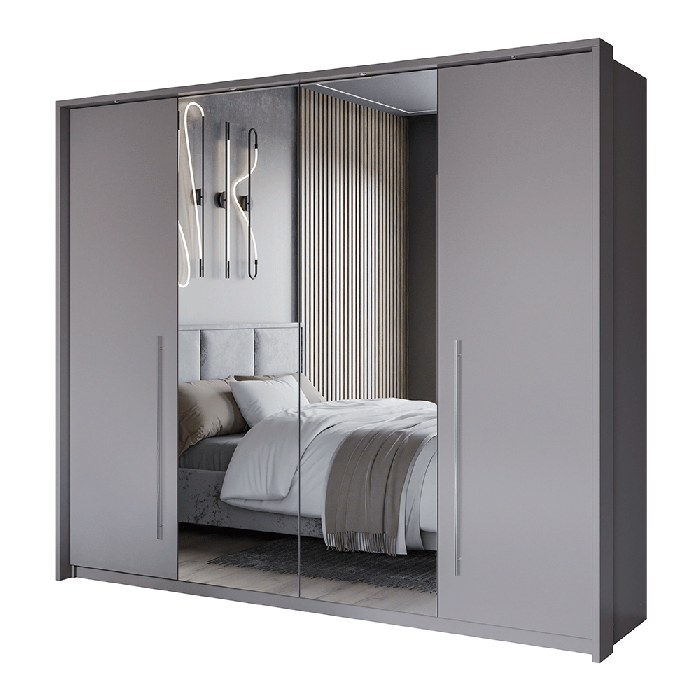

£769.00

-8% £719.00
£661.99

-12% £599.00
£526.99

-8% £569.00
£522.99

£699.00


-25% £489.00
£365.99

-10% £529.00
£475.99

£469.00

-30% £124.99
£87.99

-10% £699.00
£628.99

£869.00

£569.00

-10% £529.00
£476.99


£499.00

£539.00


£549.00
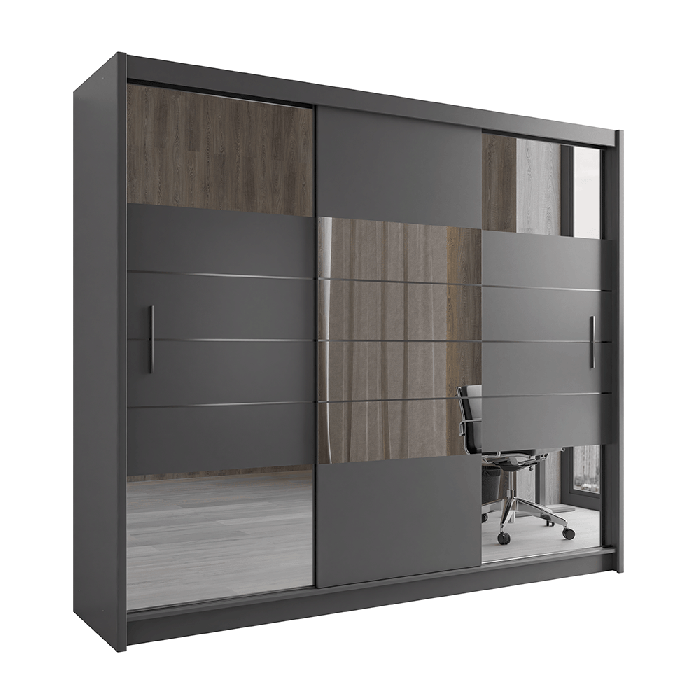

-8% £699.00
£642.99


-8% £719.00
£660.99
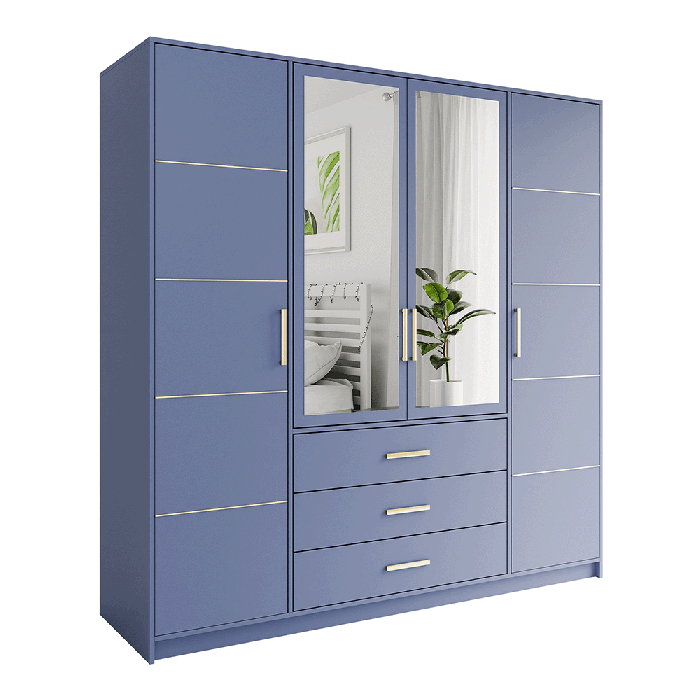

-10% £489.00
£440.99
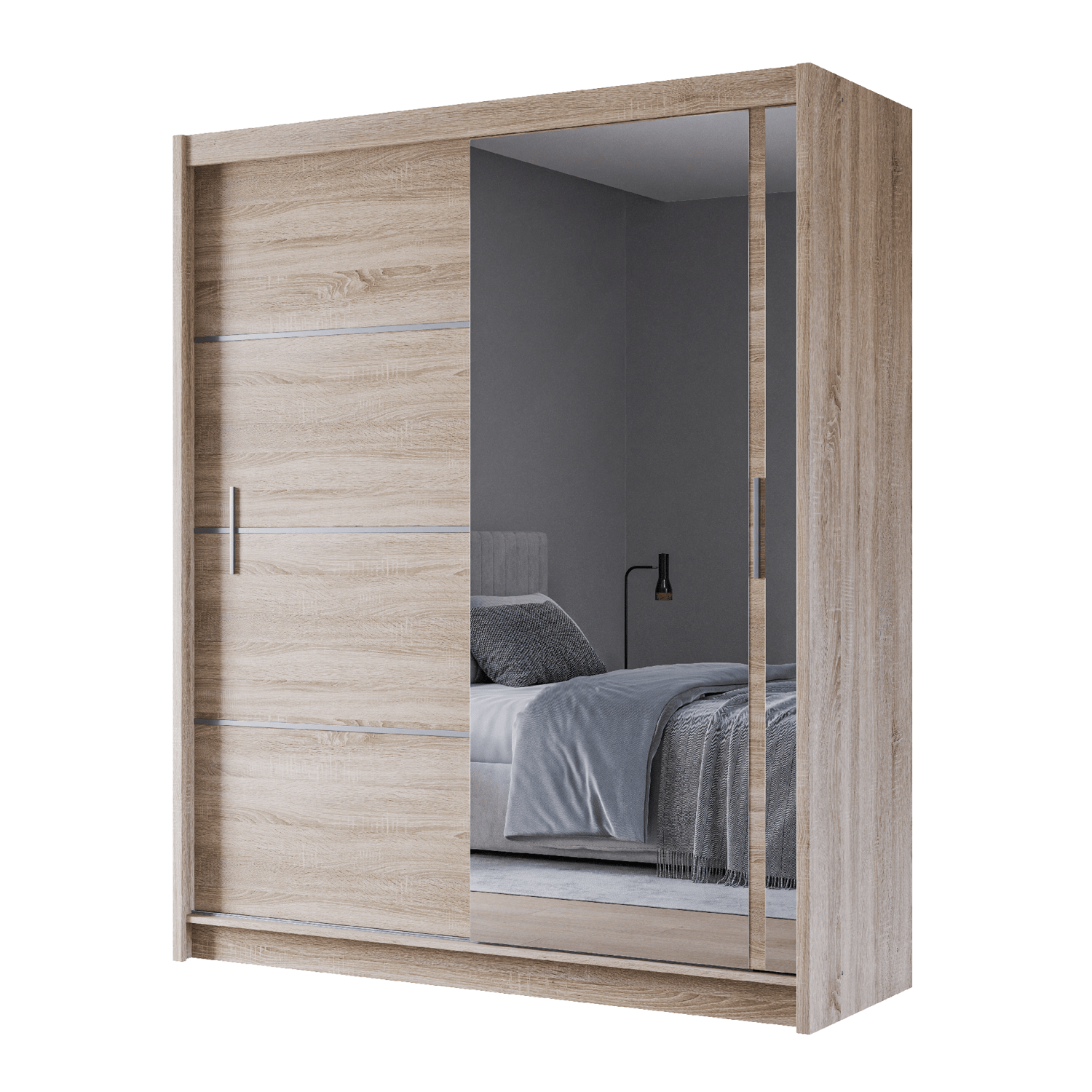

-10% £549.00
£493.99
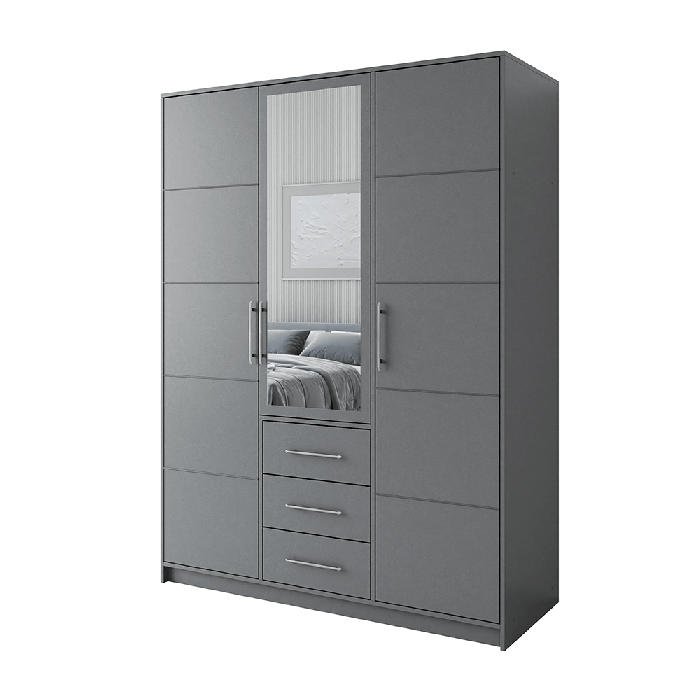

-10% £459.00
£412.99

-10% £589.00
£529.99


-10% £549.00
£493.99

-10% £509.00
£458.99

-25% £489.00
£365.99

£519.00


£469.00
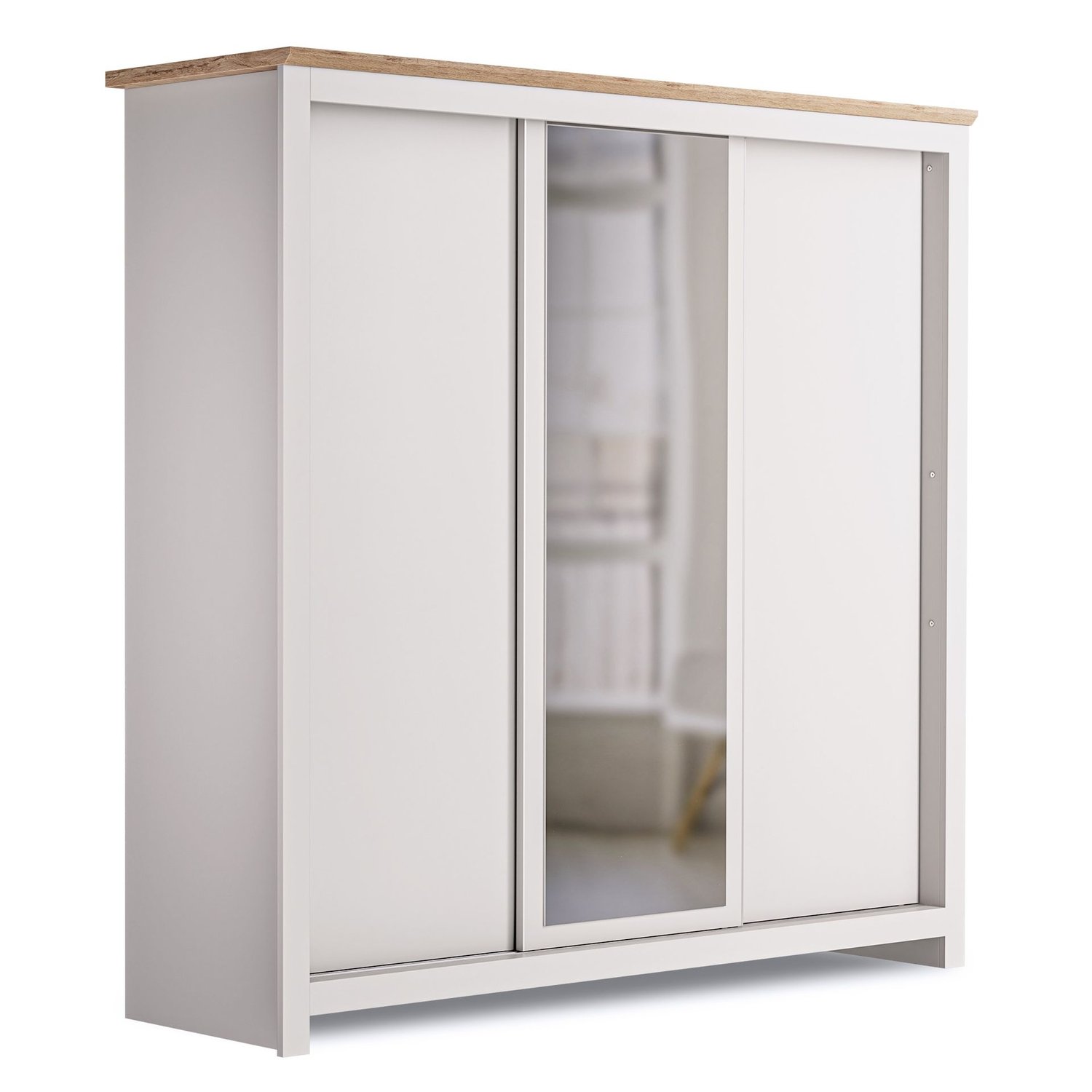

-25% £479.00
£359.99
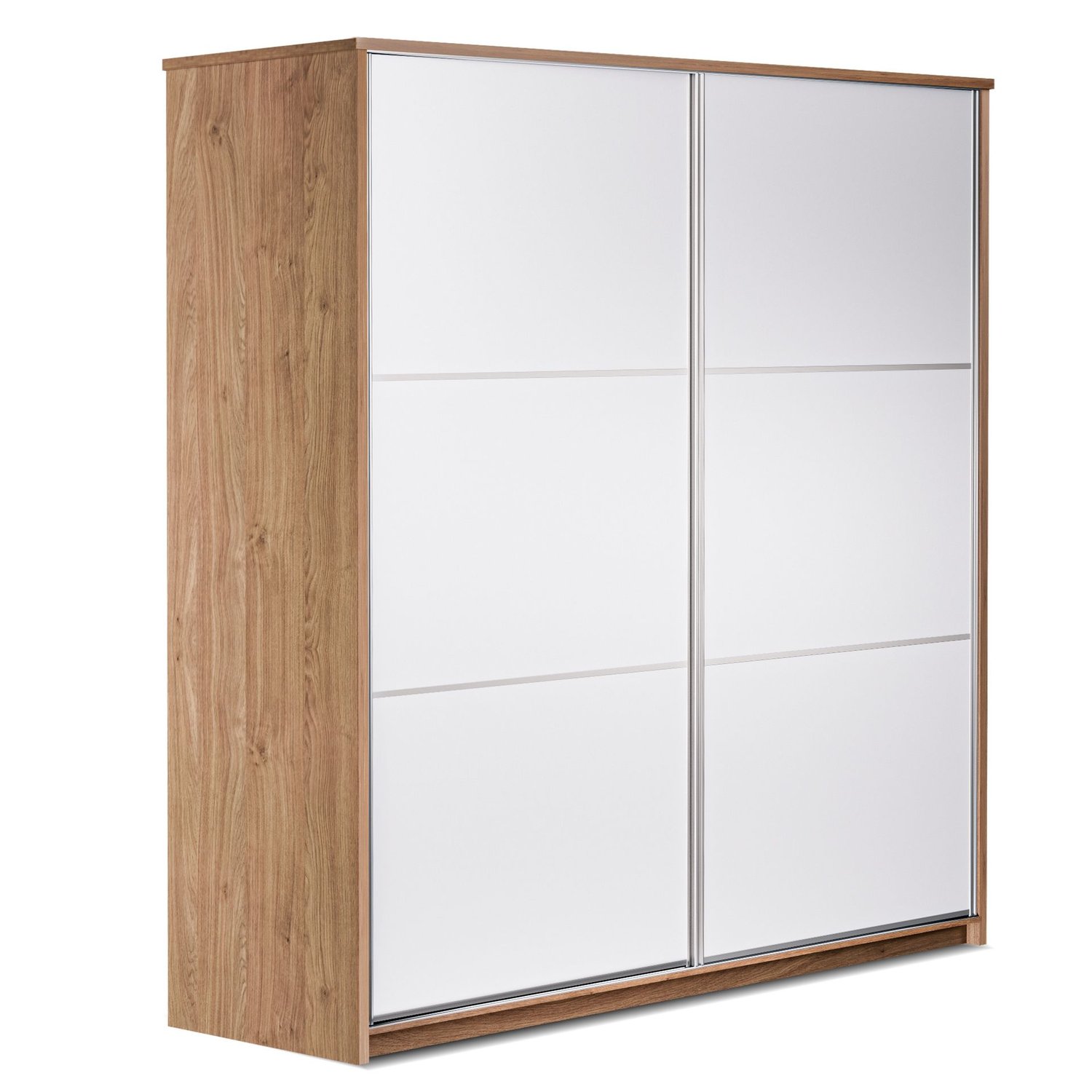

-36% £519.00
£329.99


-10% £529.00
£475.99


£579.00
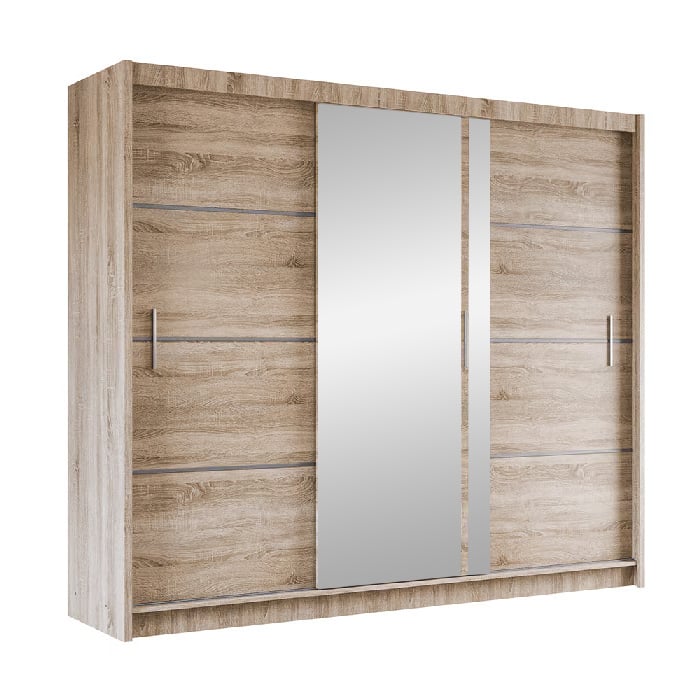

-15% £739.00
£627.99
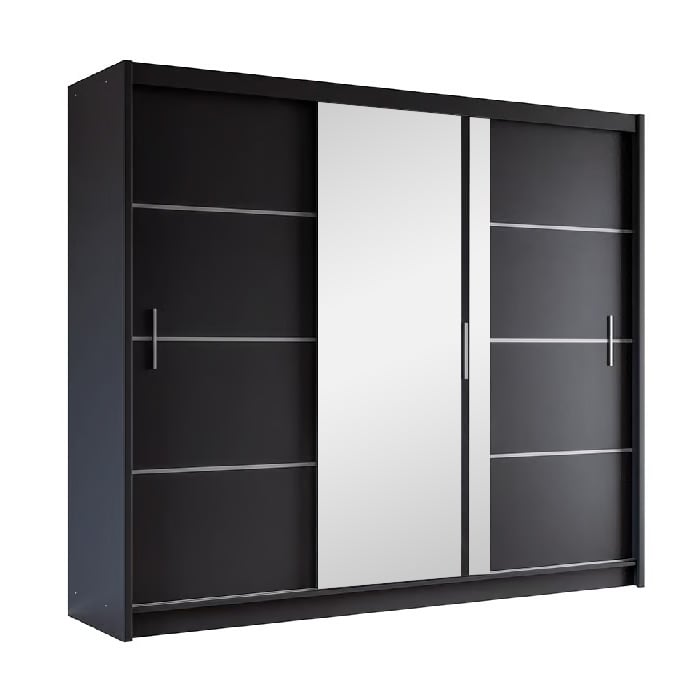

-15% £739.00
£627.99

-10% £699.00
£628.99

£569.00

-8% £679.00
£623.99

£679.00

-30% £124.99
£87.99

£599.00

£489.00

-8% £799.00
£734.99


-10% £699.00
£628.99
£679.00

-25% £299.00
£223.99

-8% £749.00
£688.99


-25% £419.00
£313.99

-10% £699.00
£628.99

-8% £709.00
£651.99

-10% £569.00
£511.99
-25% £479.00
£359.99

£529.00

£449.00
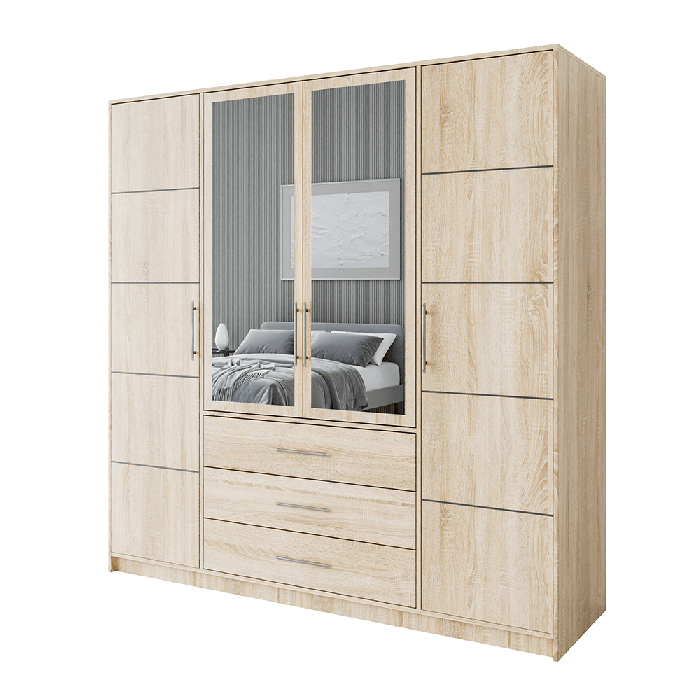

-10% £489.00
£439.99
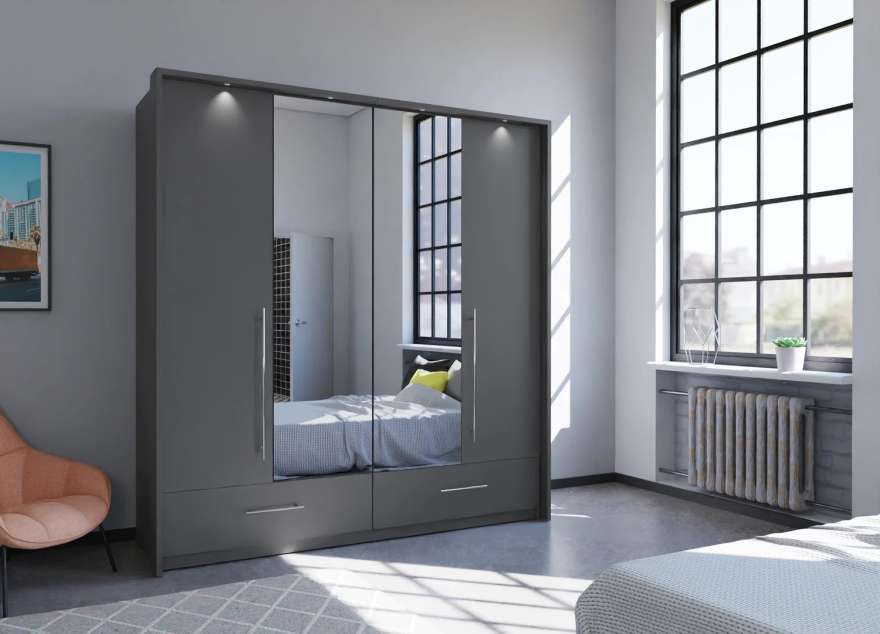

-8% £699.00
£642.99
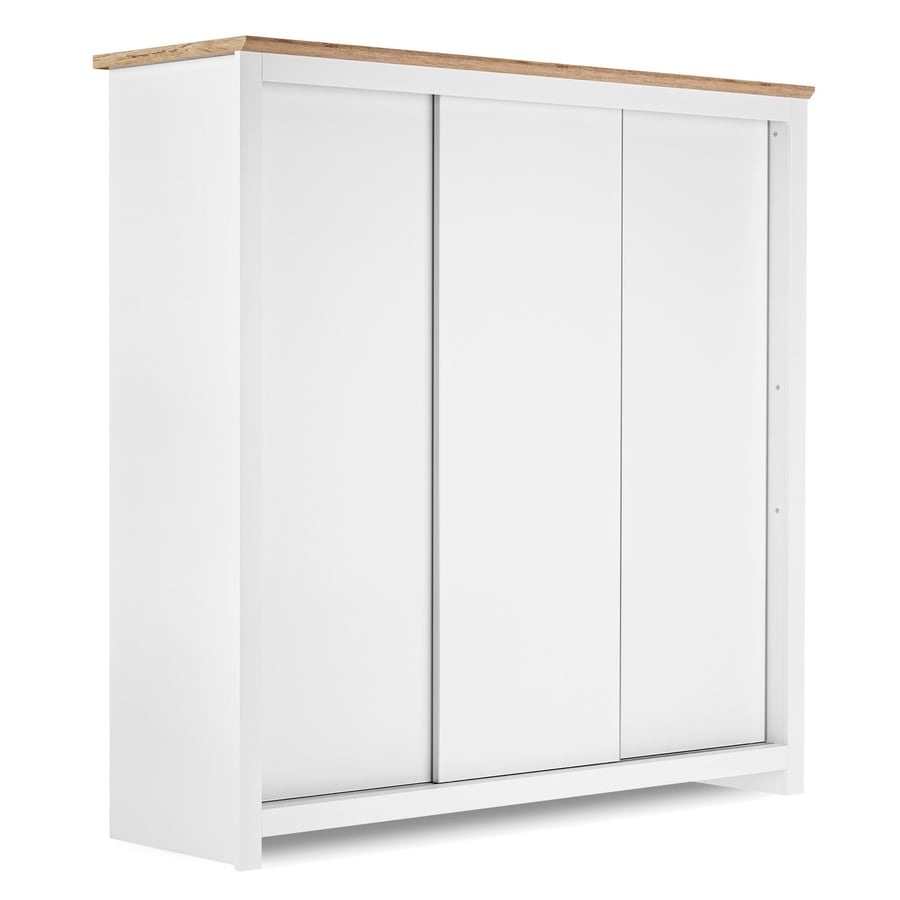

-25% £419.00
£313.99
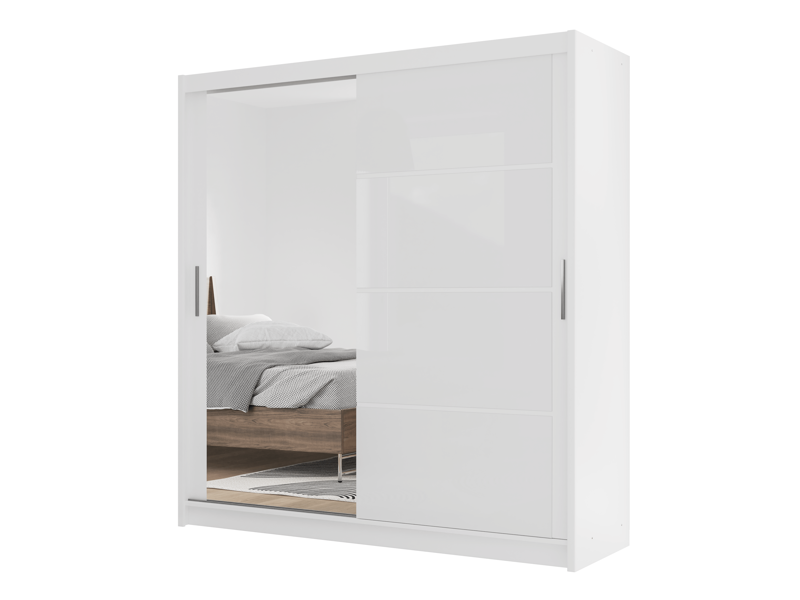

-8% £579.00
£531.99

-8% £699.00
£642.99

-8% £629.00
£577.99

£589.00

£579.00


£449.00
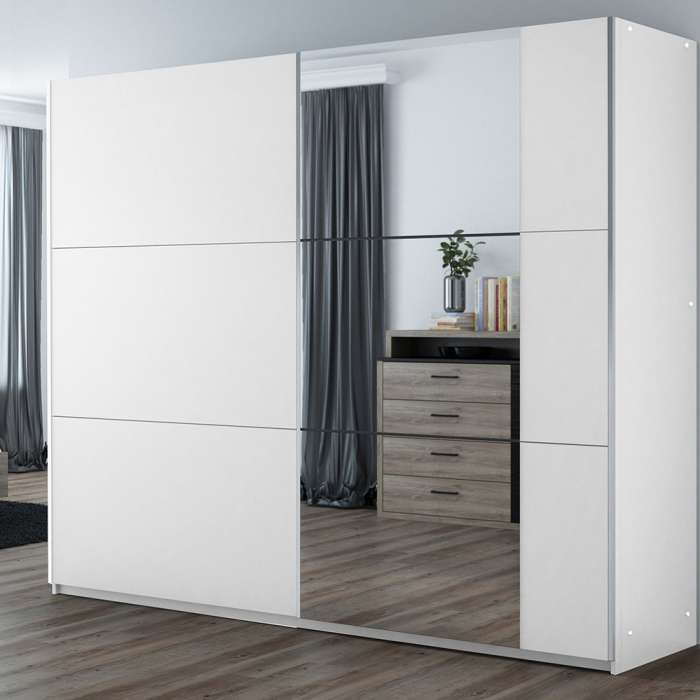

-10% £549.00
£494.99
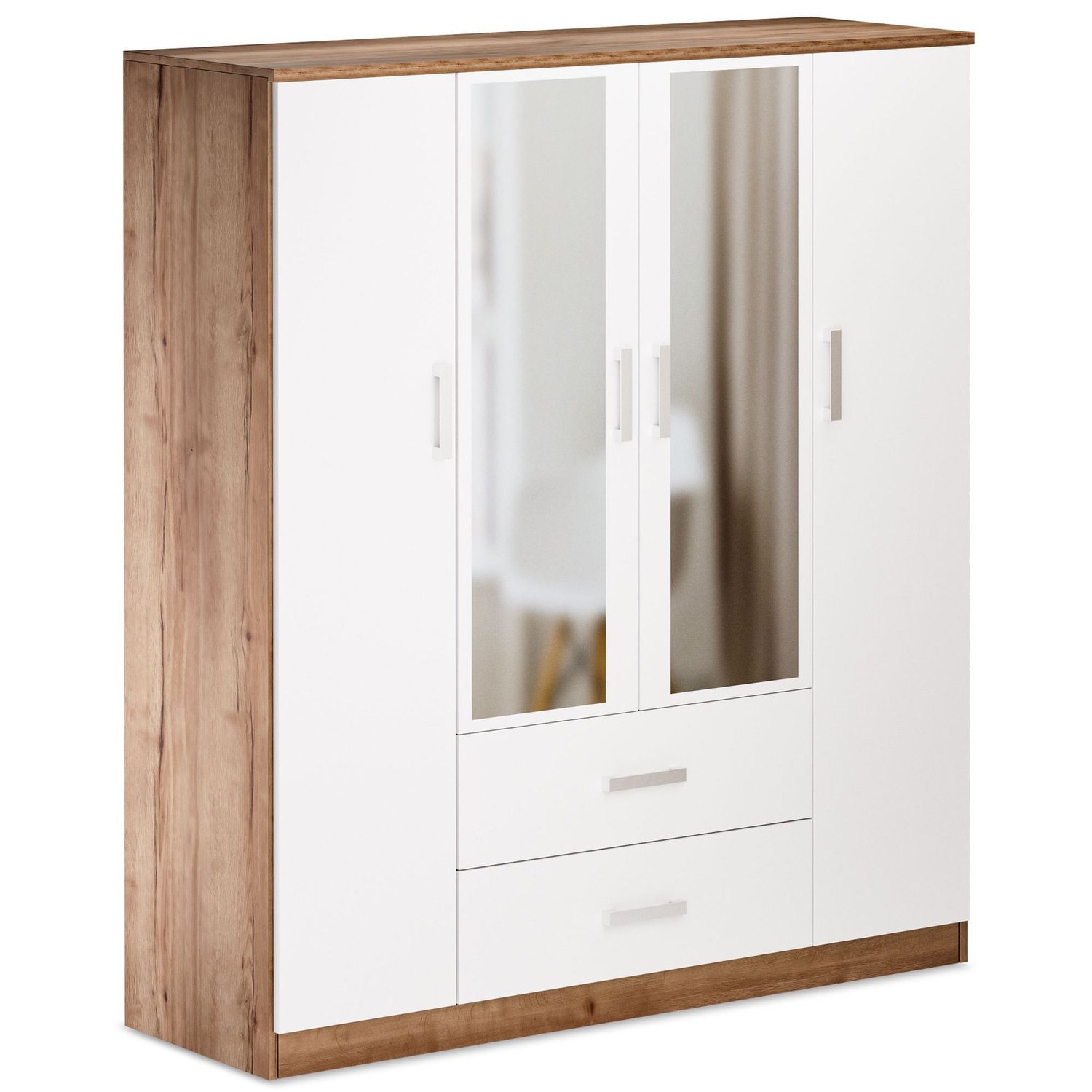

-38% £519.00
£319.99


-10% £409.00
£367.99
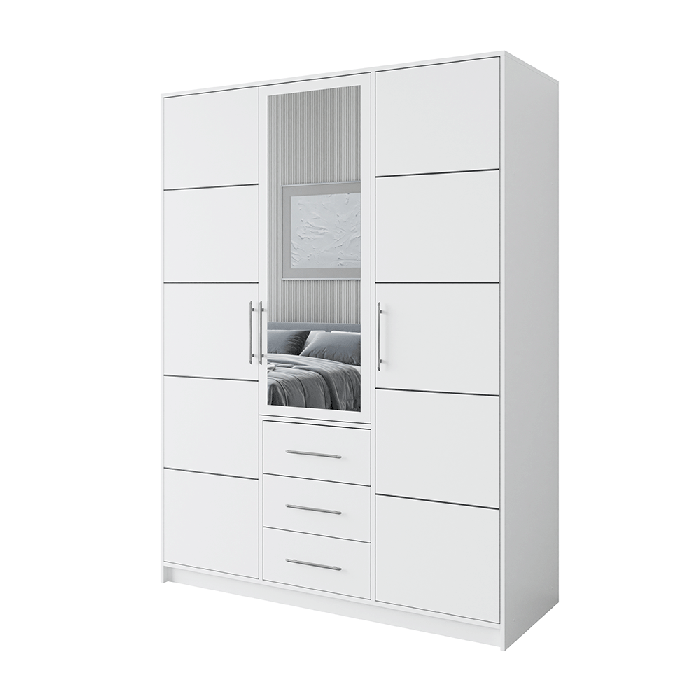

-10% £459.00
£412.99
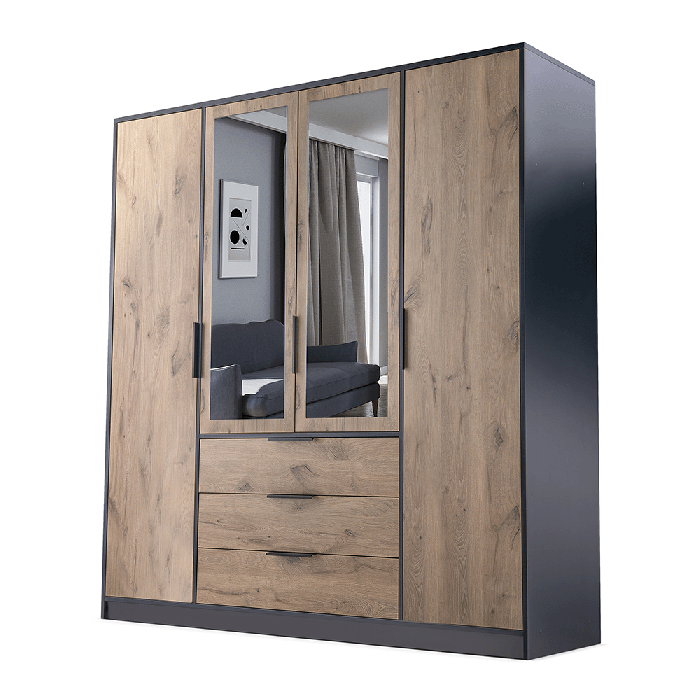

£519.00


-8% £679.00
£624.68

£519.00

£679.00

£549.00

-25% £489.00
£365.99

-8% £799.00
£734.99

£679.00

-10% £459.00
£412.99

-10% £459.00
£413.99

-8% £659.00
£605.99

£679.00

-15% £855.00
£725.99


-35% £329.00
£213.99

£599.00

-15% £629.00
£533.99

-8% £549.00
£504.99

-36% £519.00
£329.99

-25% £479.00
£359.99

£669.00

£579.00

£489.00

£519.00


-37% £399.00
£249.99

£549.00

-8% £659.00
£605.99

-25% £419.00
£313.99


-8% £709.00
£651.99

£855.00

-8% £549.00
£504.99

£729.00

-10% £489.00
£439.99

£519.00

£439.00

£699.00

-25% £299.00
£223.99

£599.00

£569.00

£399.00

£449.00


£719.00

-25% £299.00
£223.99
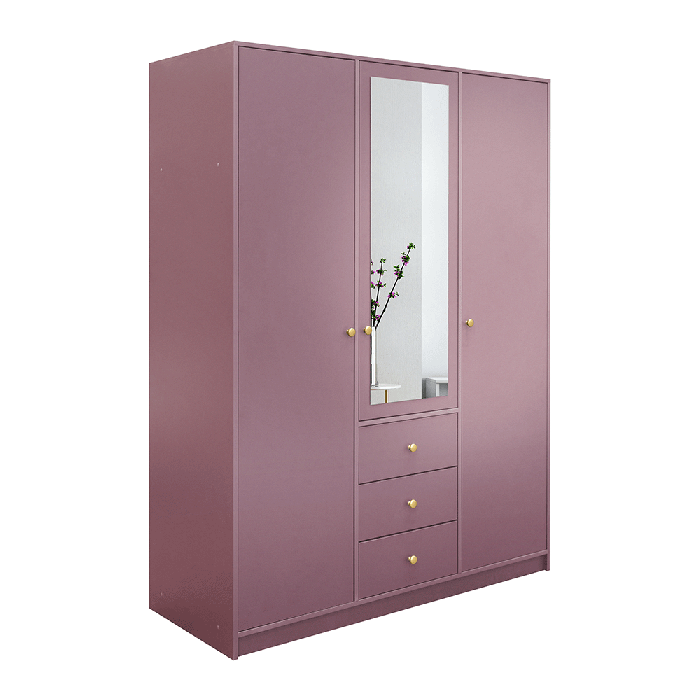

£489.00
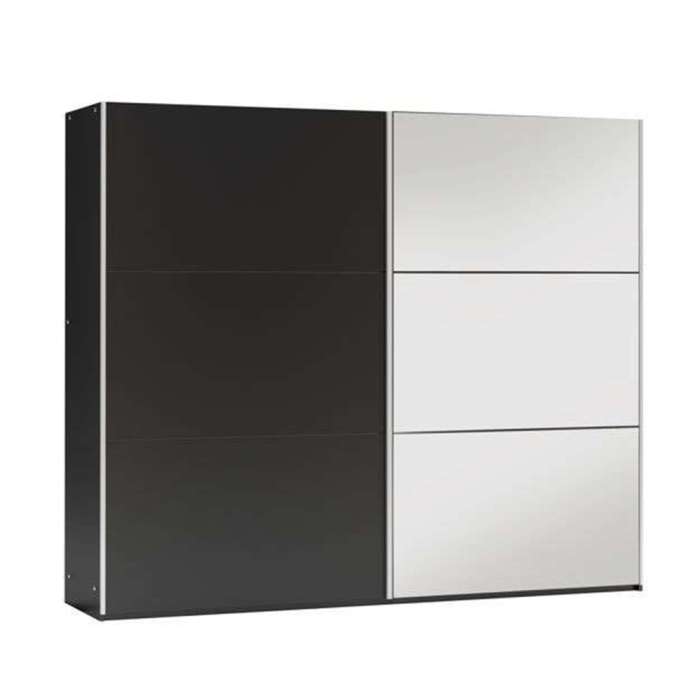

-15% £855.00
£725.99
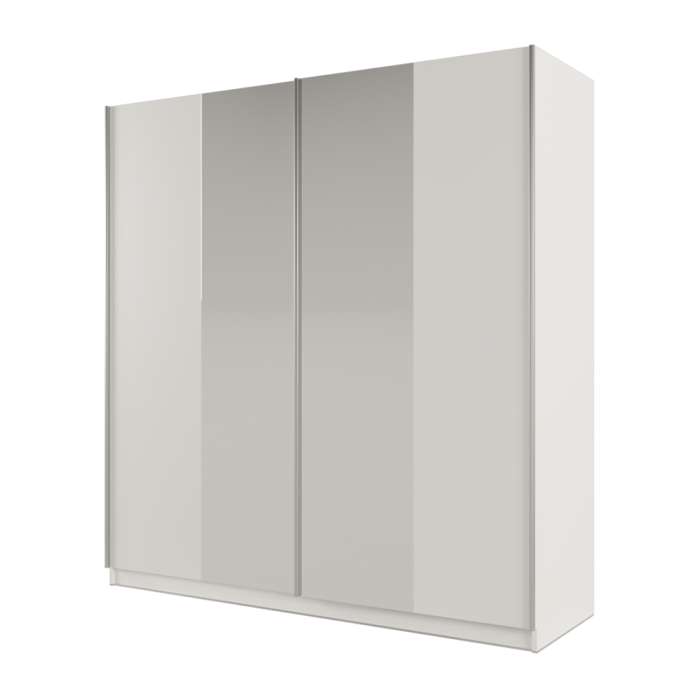

-8% £609.00
£559.99
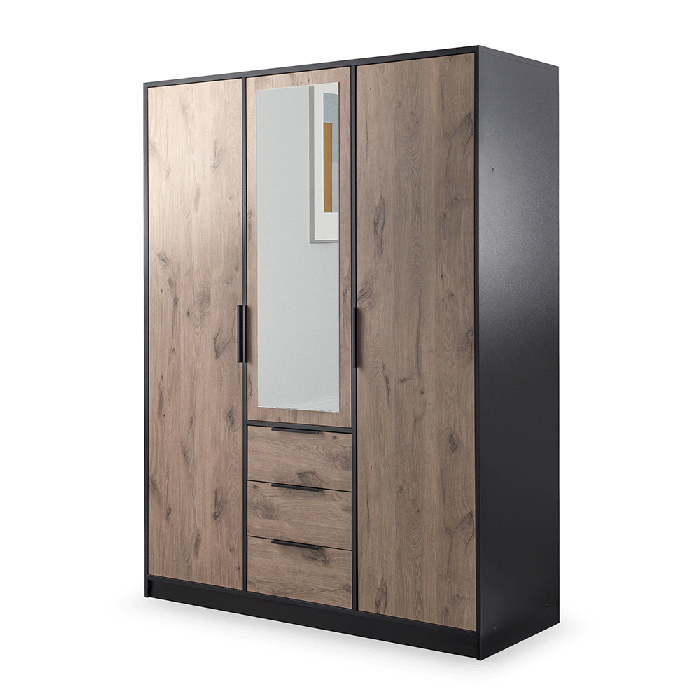

-10% £479.00
£429.99

£569.00

-10% £759.00
£682.99

£849.00

£469.00
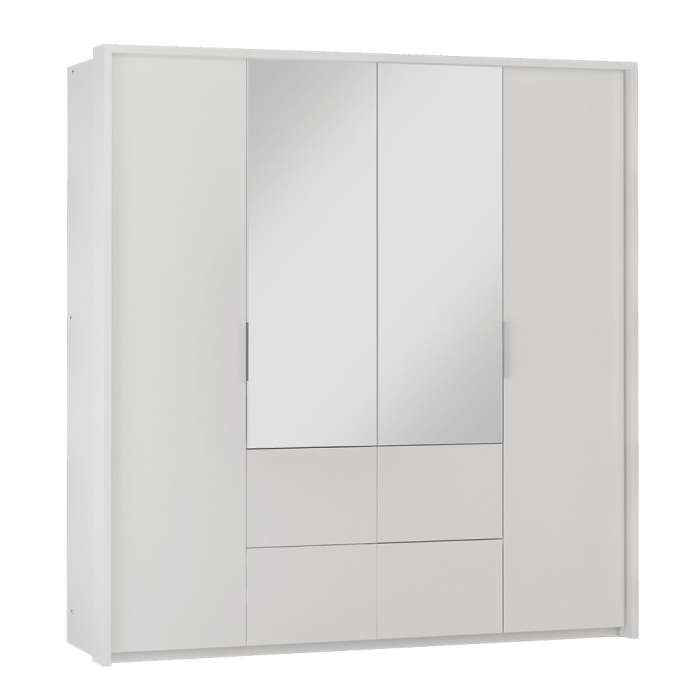

-10% £729.00
£655.99
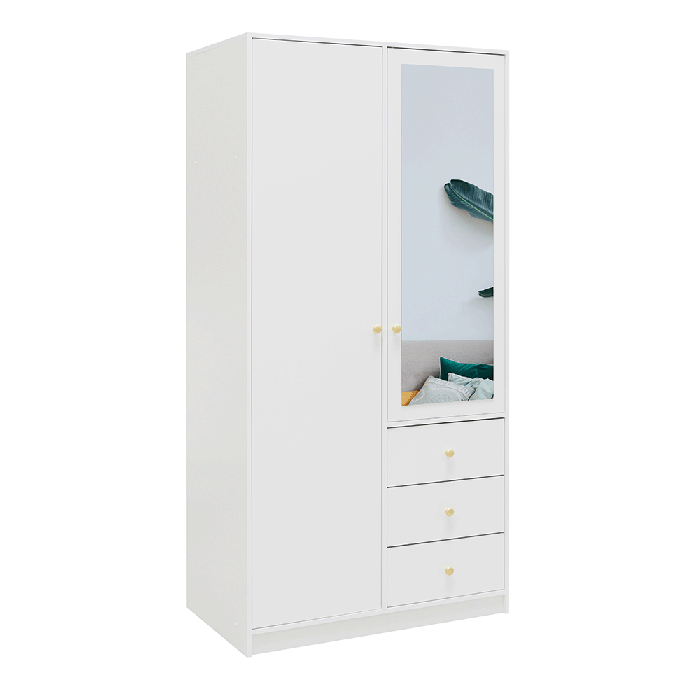

-10% £429.00
£385.99
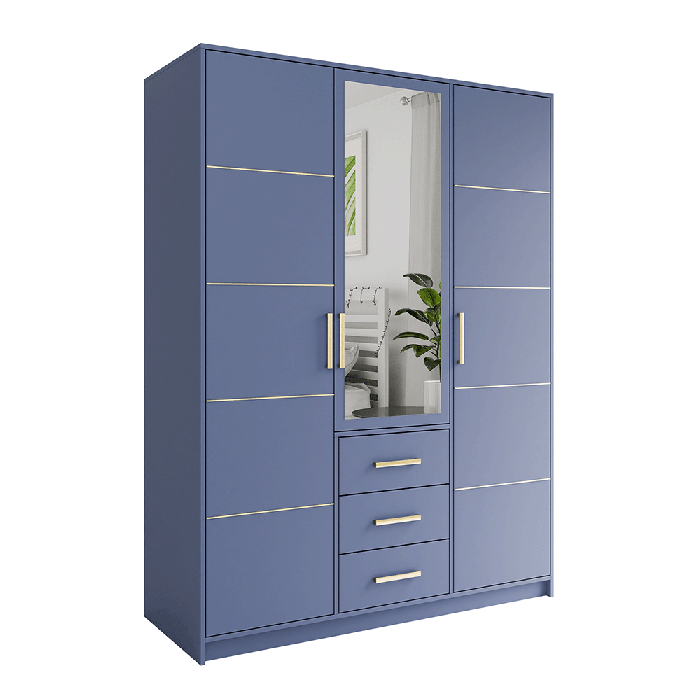
£459.00


-10% £589.00
£529.99
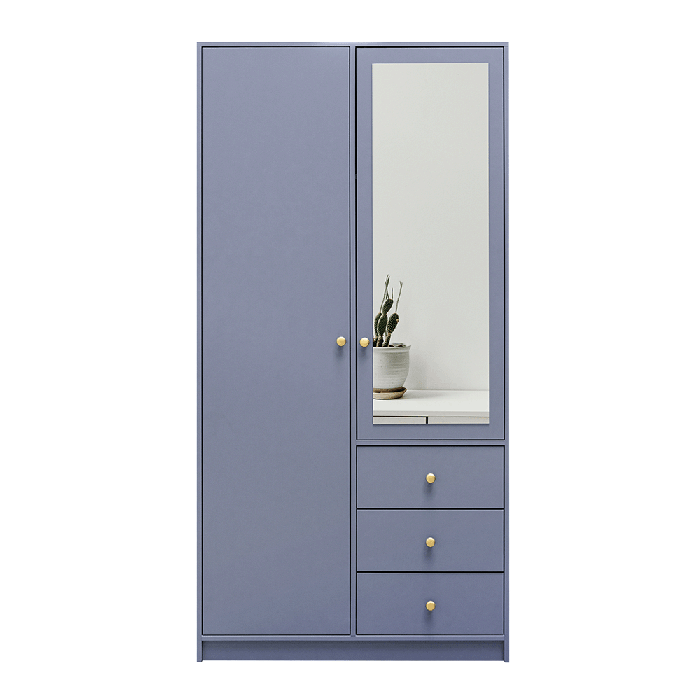

£449.00

£799.00

£519.00

-8% £699.00
£642.99

£499.00

£669.00

£679.00

-8% £549.00
£504.99

-8% £609.00
£559.99

£559.00

£489.00

-8% £549.00
£504.99

£439.00

-12% £499.00
£438.99


£649.00

-8% £699.00
£642.99

-10% £759.00
£682.99

-10% £729.00
£655.99

£649.00

£489.00

-10% £429.00
£385.99

£629.00
-12% £769.00
£676.99


£639.00

£679.00

-15% £519.00
£440.99

-10% £639.00
£574.99

£519.00
-12% £759.00
£666.99
-12% £649.00
£571.99
-12% £639.00
£562.99

-10% £639.00
£574.99

-8% £579.00
£531.99

£649.00
-12% £769.00
£676.99


£649.00

£439.00

£599.00

£679.00
-12% £649.00
£571.99

£689.00

-10% £459.00
£412.99
Choosing the right wardrobe is about more than just storage – it’s about creating a space that feels organised, functional and easy to live in. Our collection of wardrobes has been designed with everyday practicality in mind, offering a wide range of sizes, finishes, and configurations to suit modern homes across the UK. Whether you’re furnishing a compact spare room or upgrading your main bedroom, you’ll find options that balance style with usability. From sleek, space-saving designs to more substantial pieces, each bedroom wardrobe is built to help you keep clothes and essentials neatly stored and easy to access.
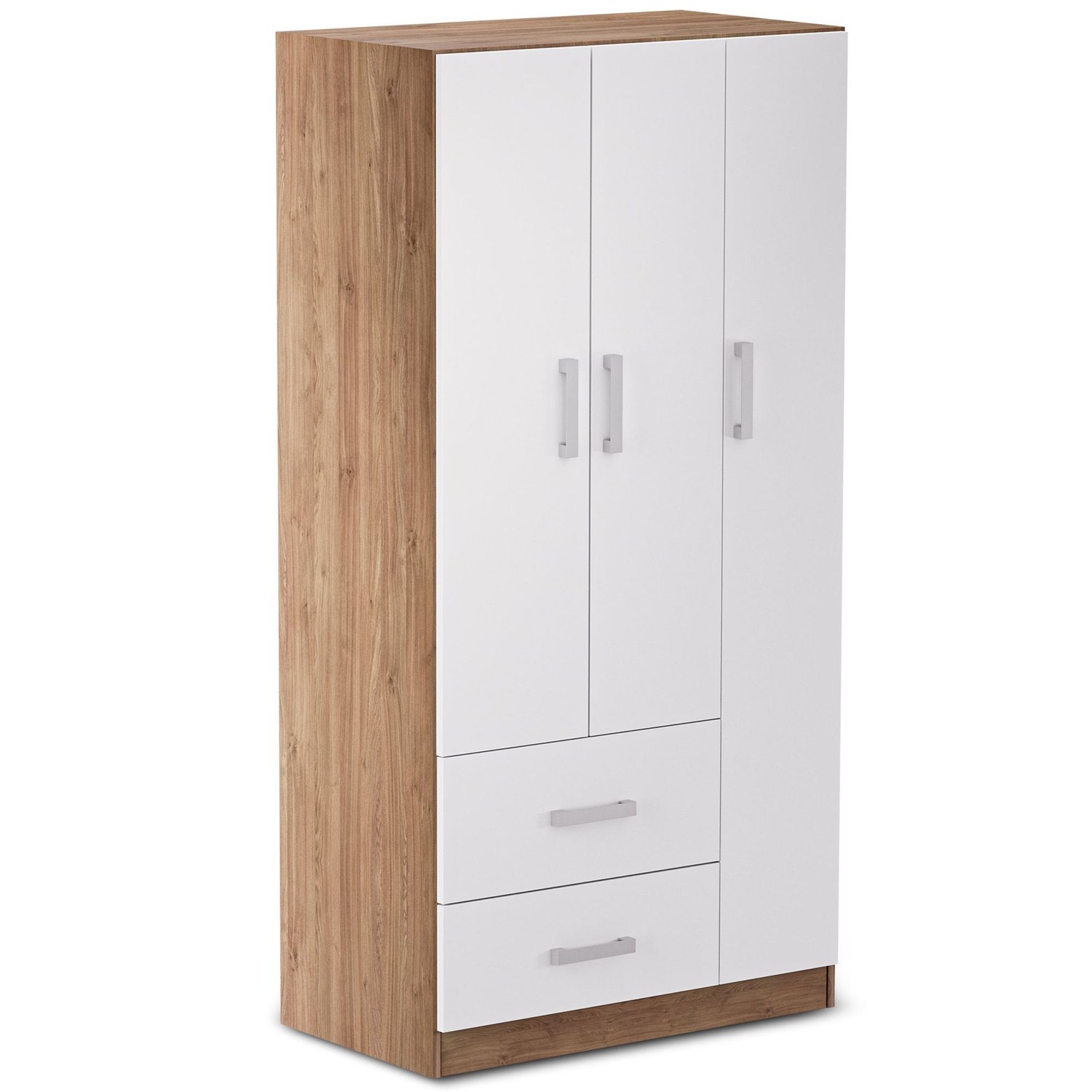
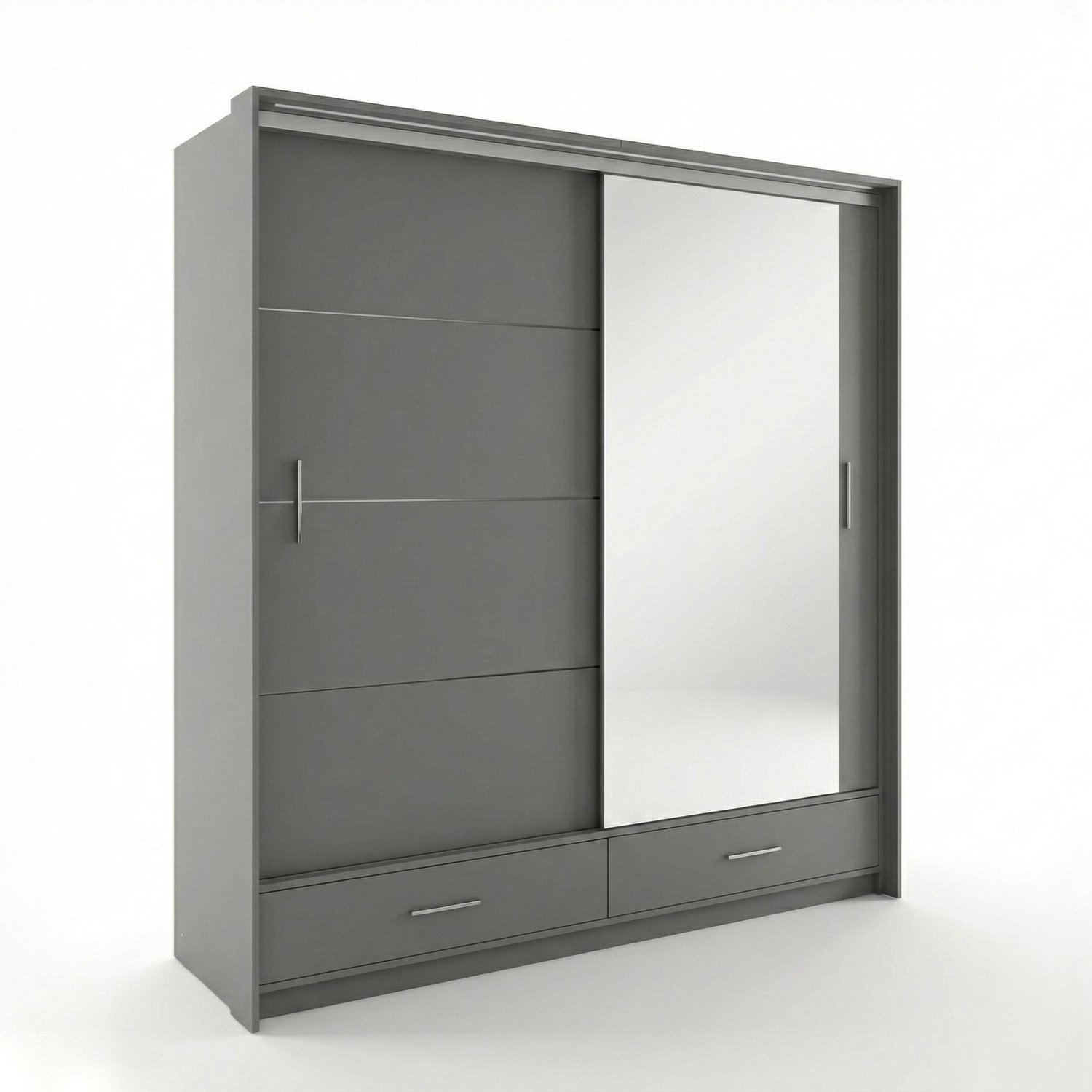
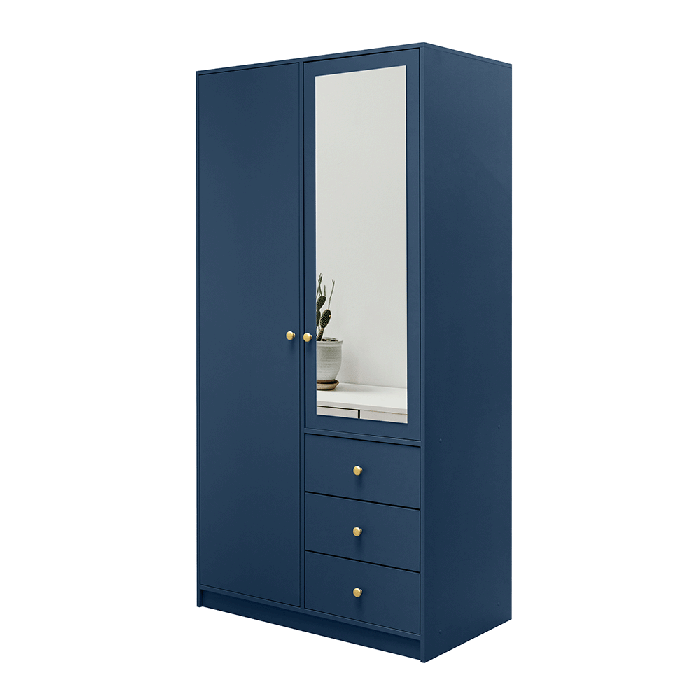
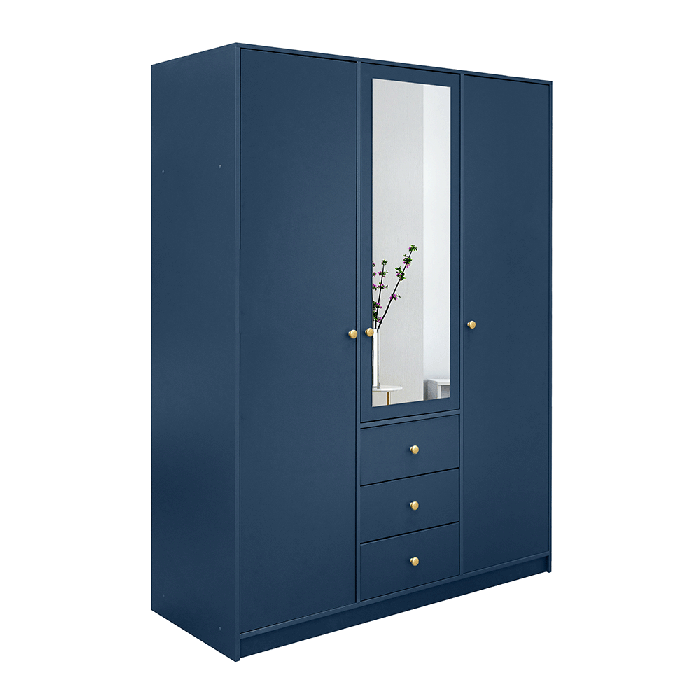
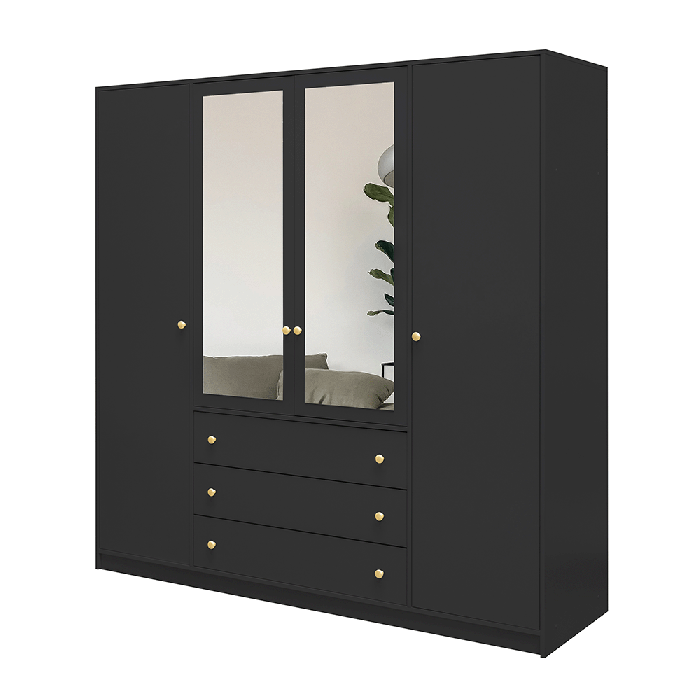
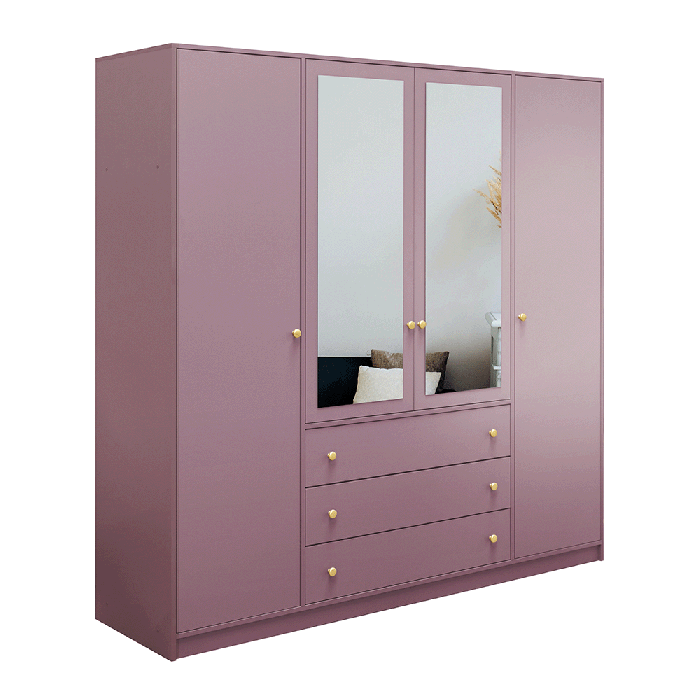
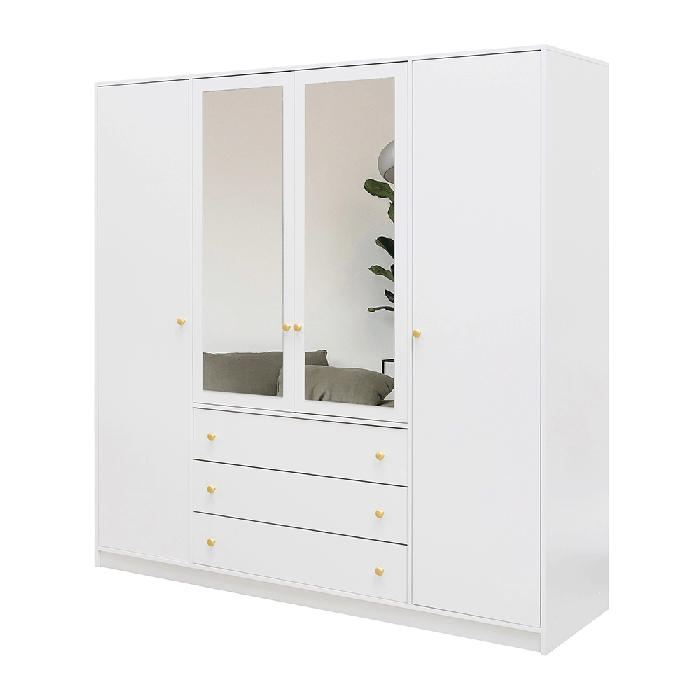
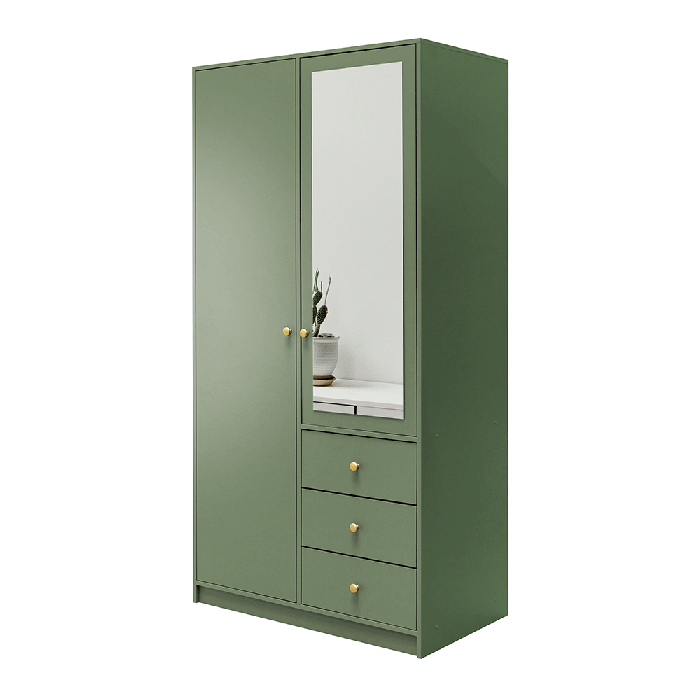
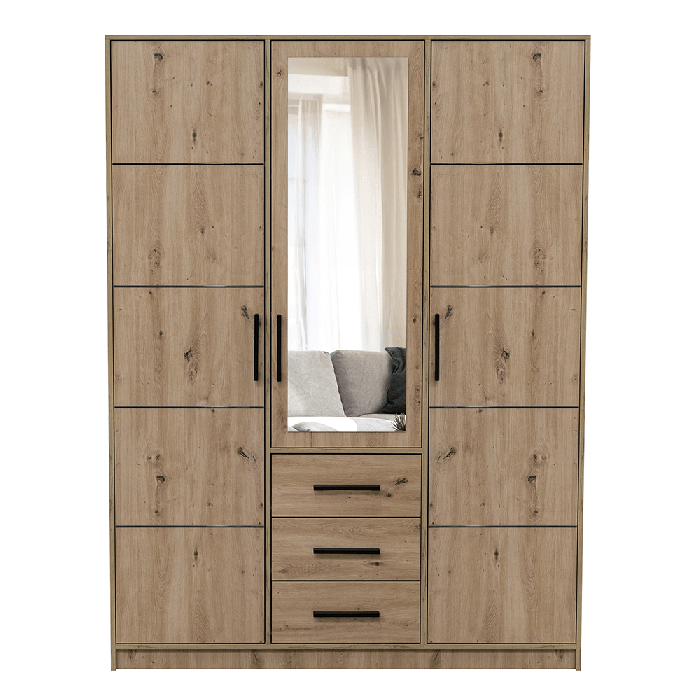
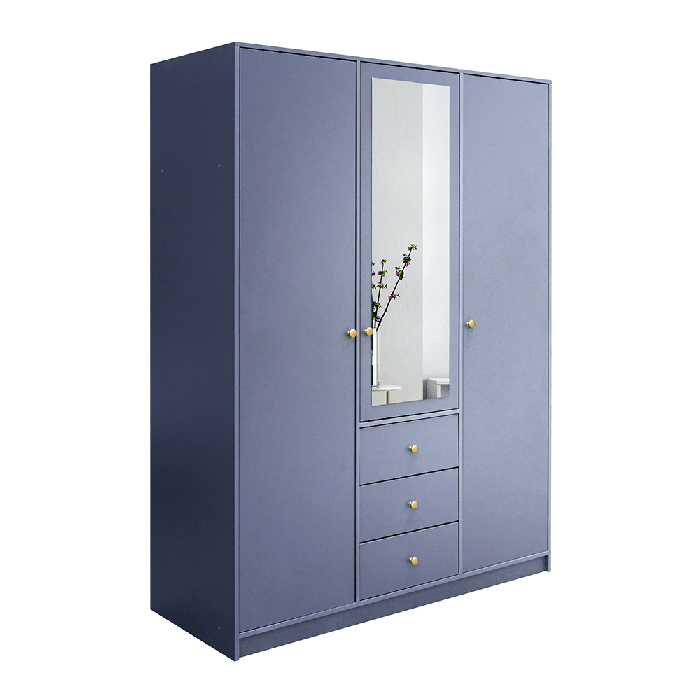
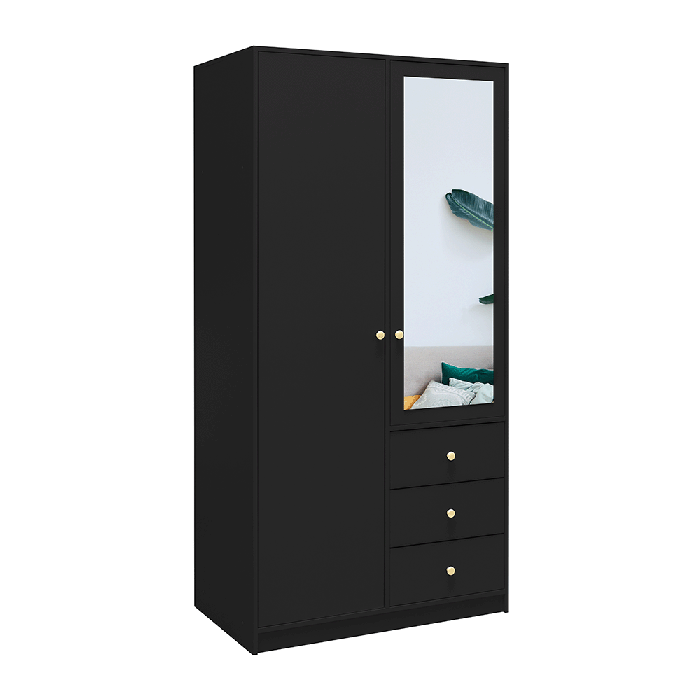
A well-chosen bedroom wardrobe can transform how your space works day to day. Our range of bedroom wardrobes includes versatile designs that adapt to different layouts, storage needs and interior styles. If you’re working with limited space, a small wardrobe or single wardrobe can offer just the right amount of storage without overwhelming the room. For larger bedrooms or shared spaces, big wardrobe provides generous hanging and shelving capacity. Many models are designed to coordinate effortlessly with other furniture, making it easy to create a cohesive look alongside pieces like a chest of drawers or bedside storage. The focus is always on practical layouts – combining rails, shelves, wardrobes with drawers and compartments that support everyday organisation.
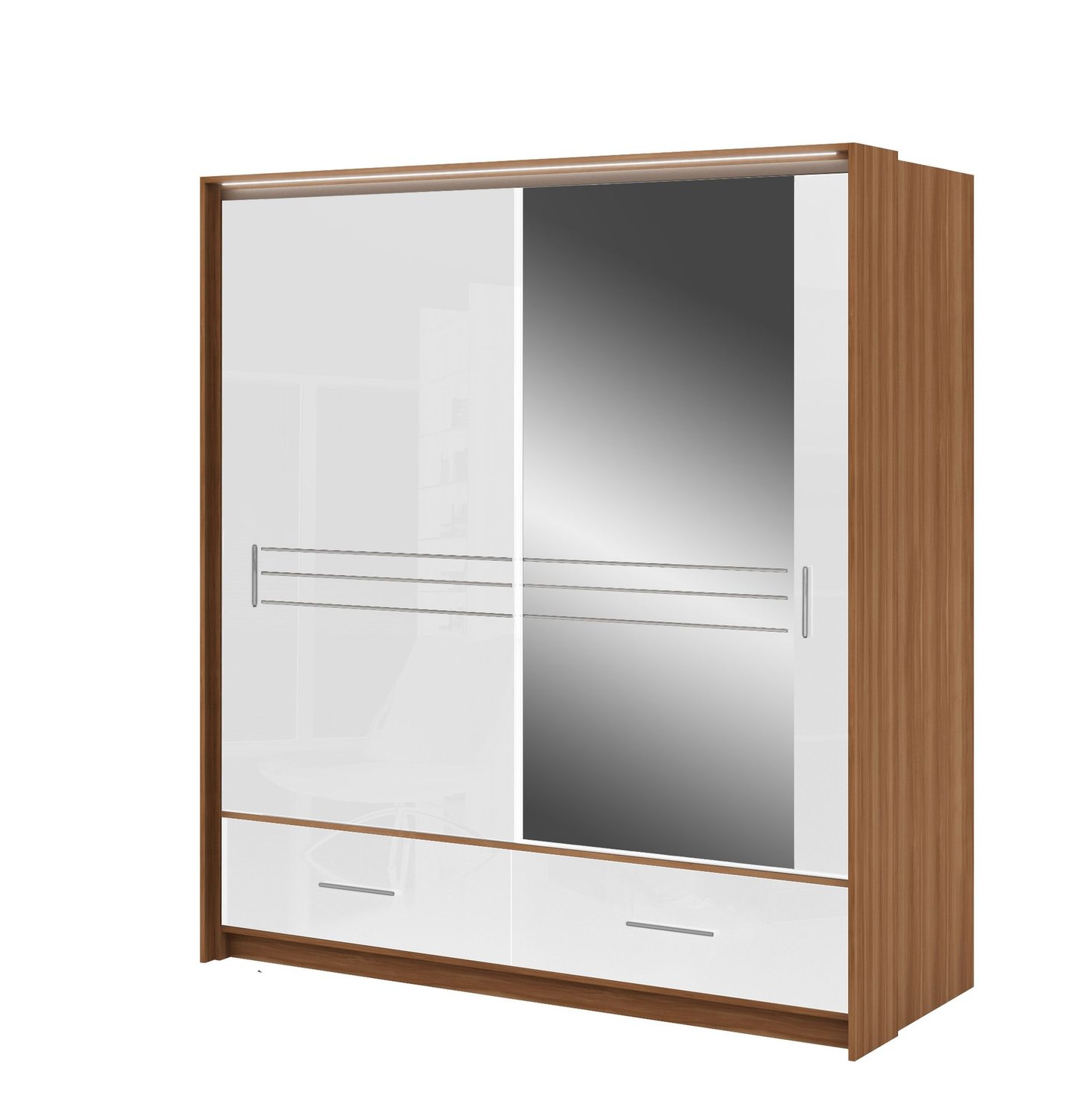
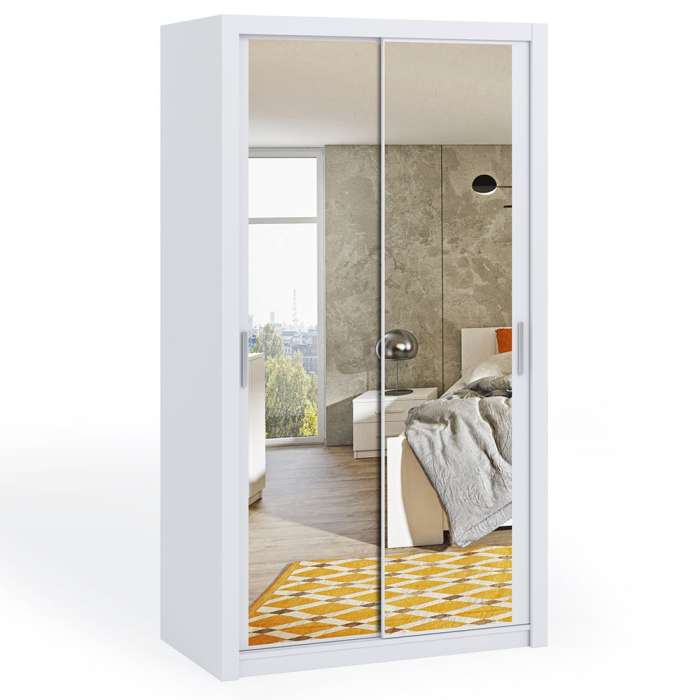
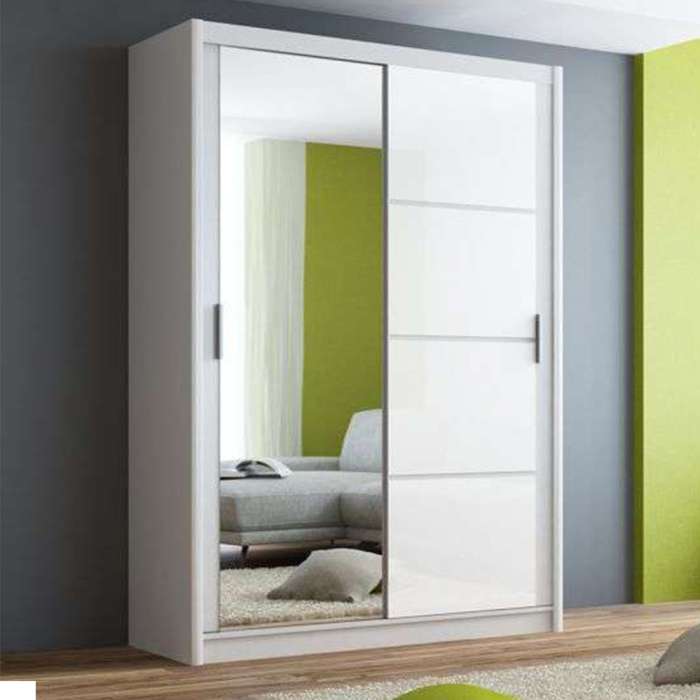
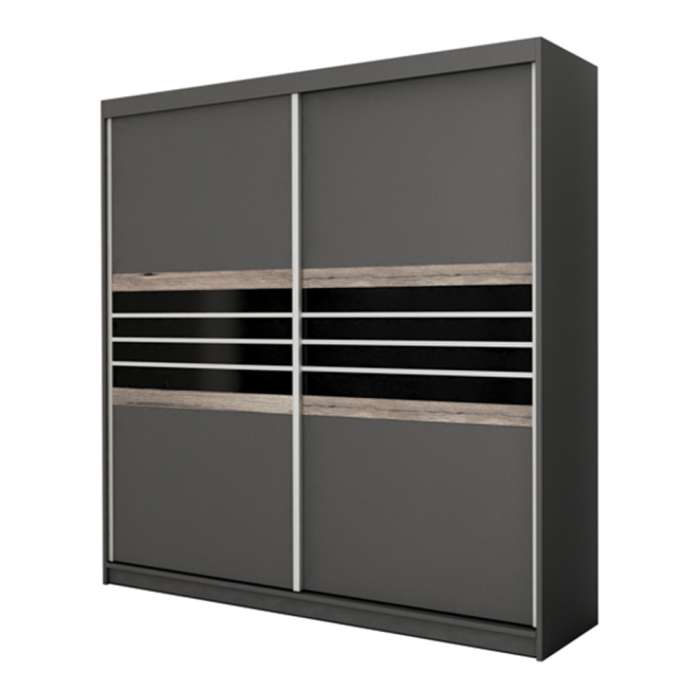
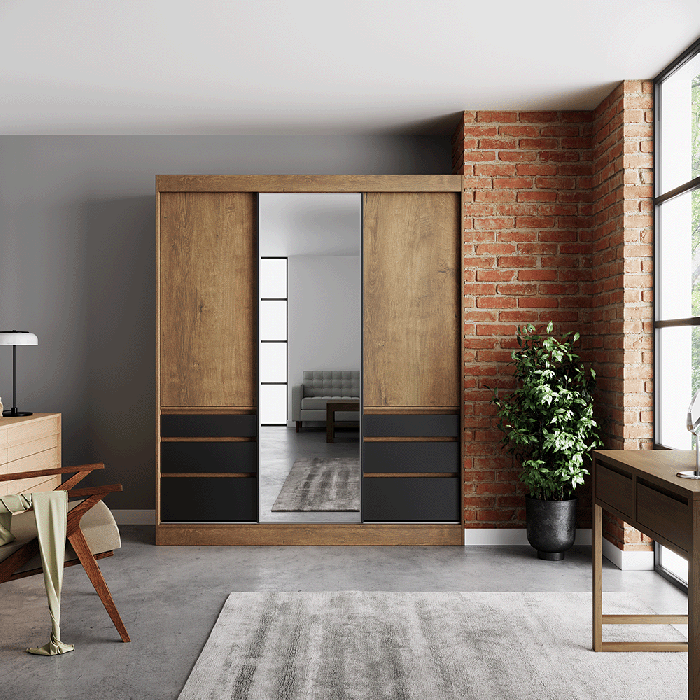
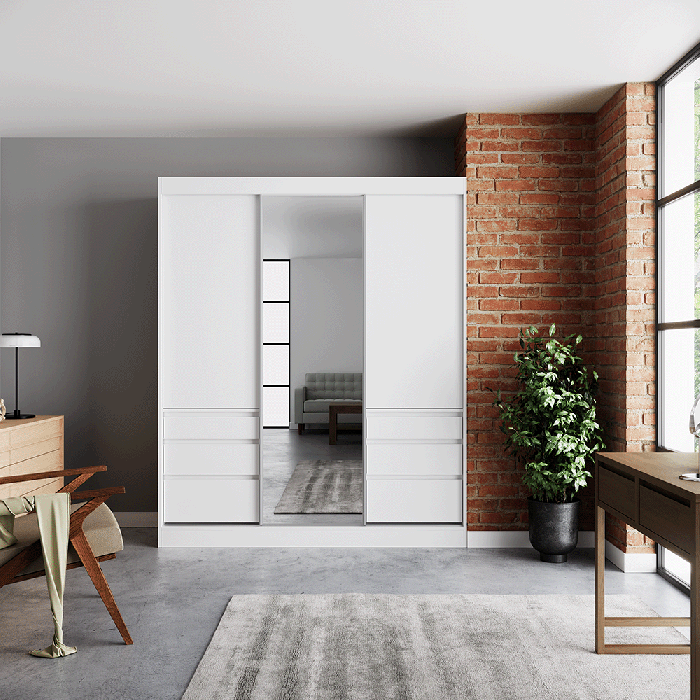
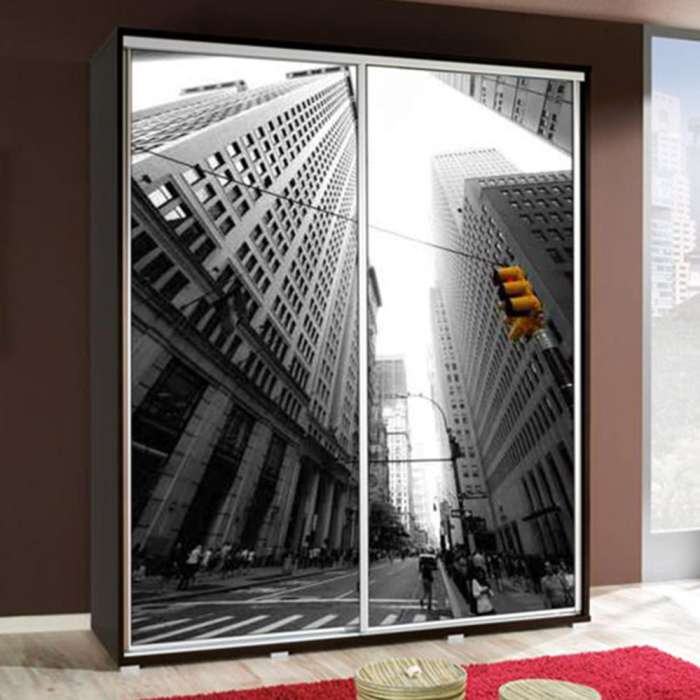
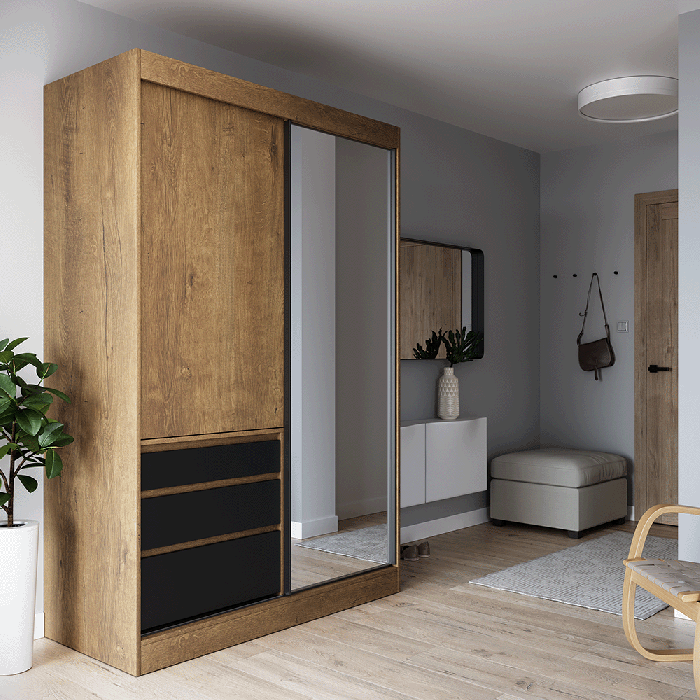
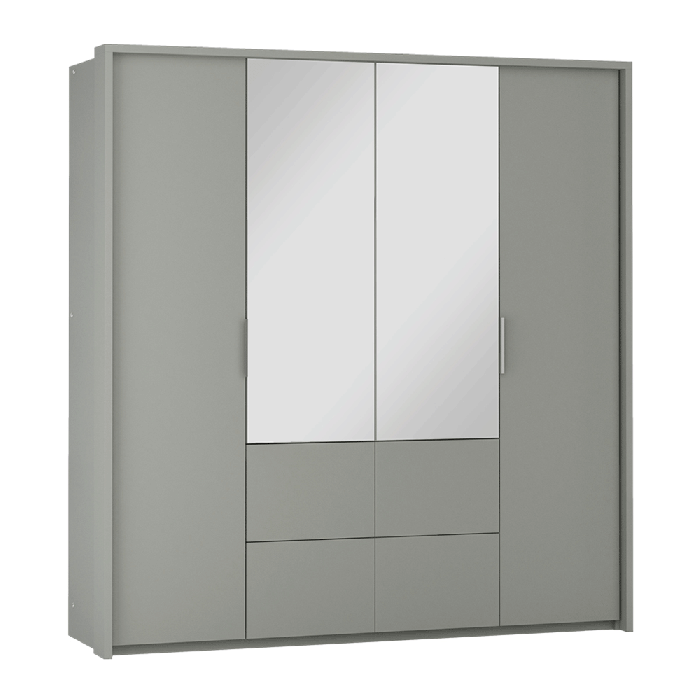
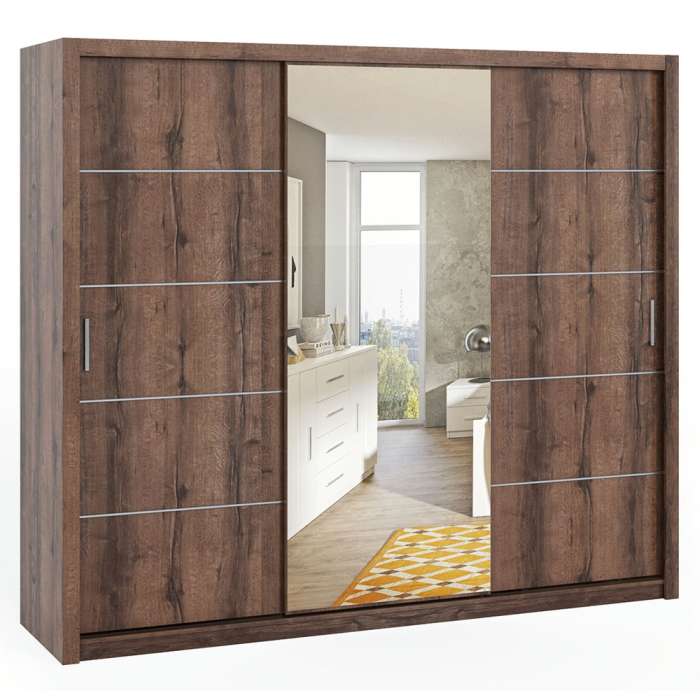
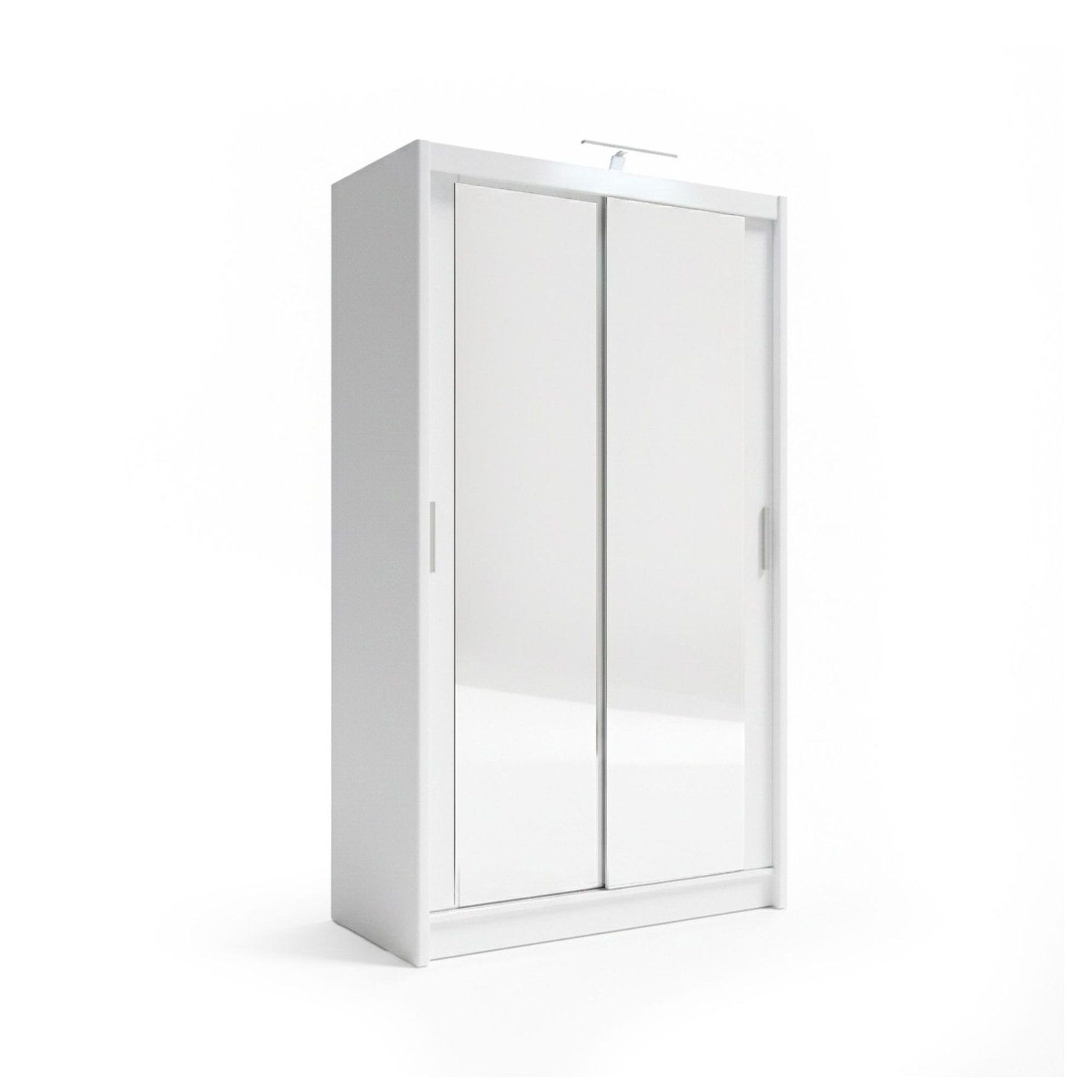
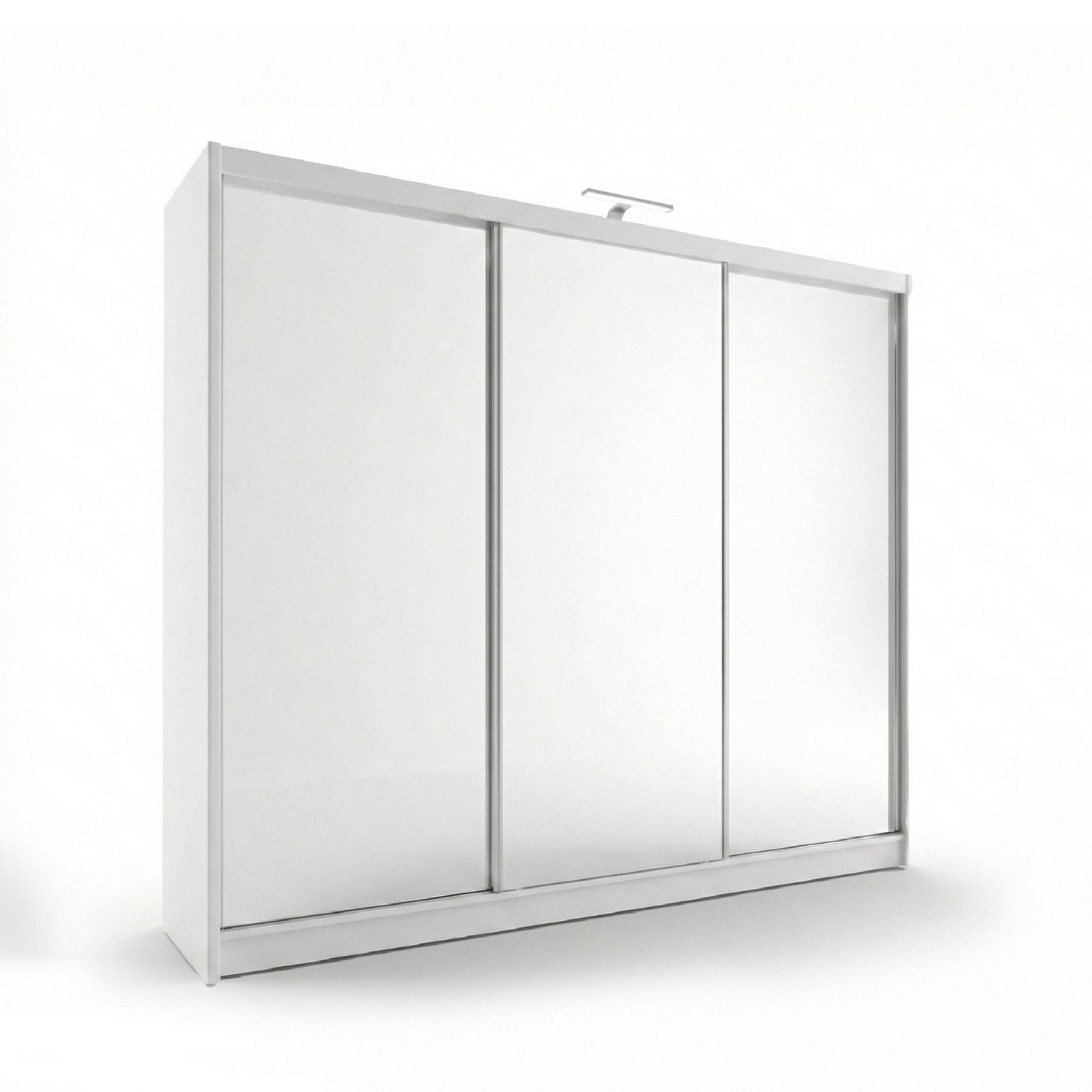
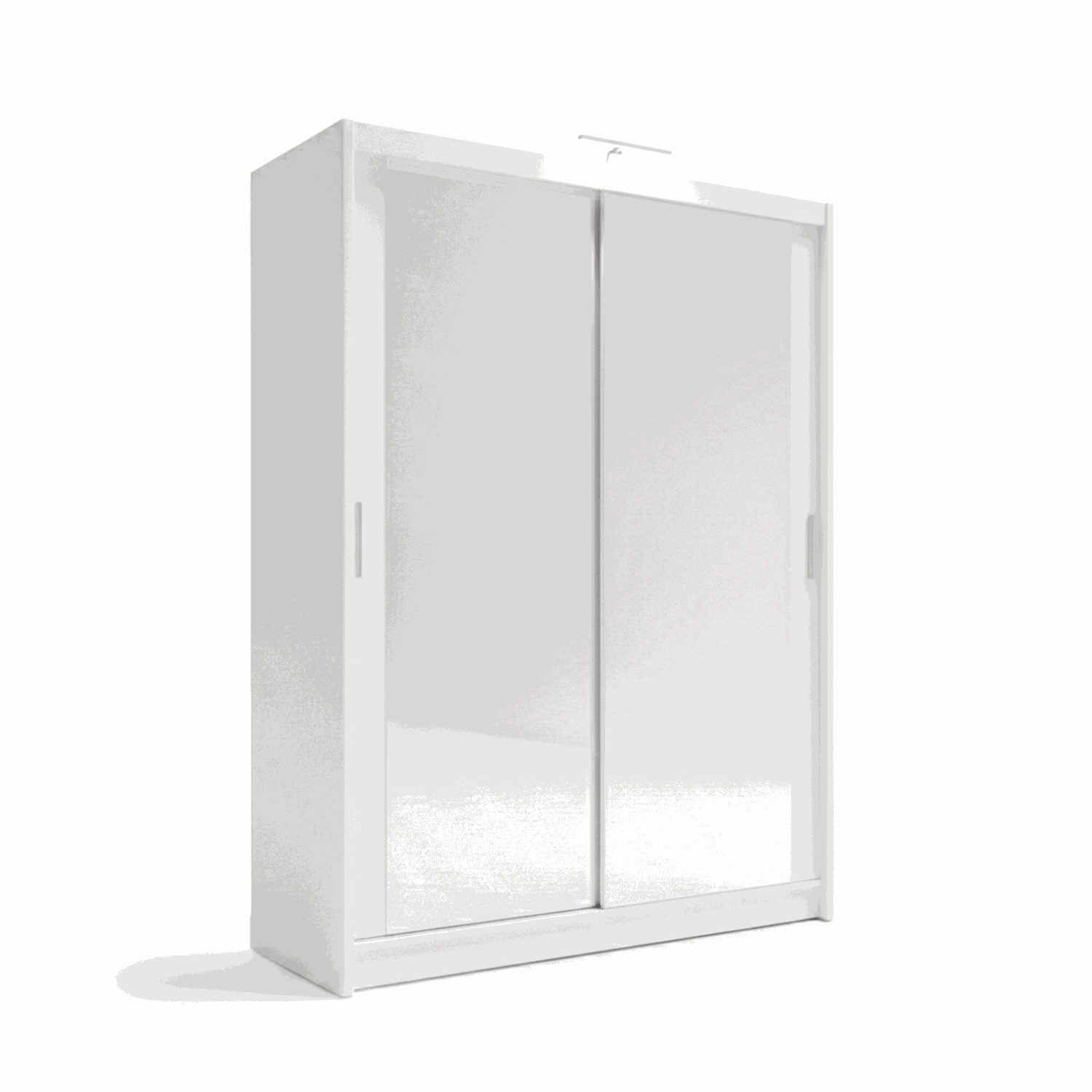
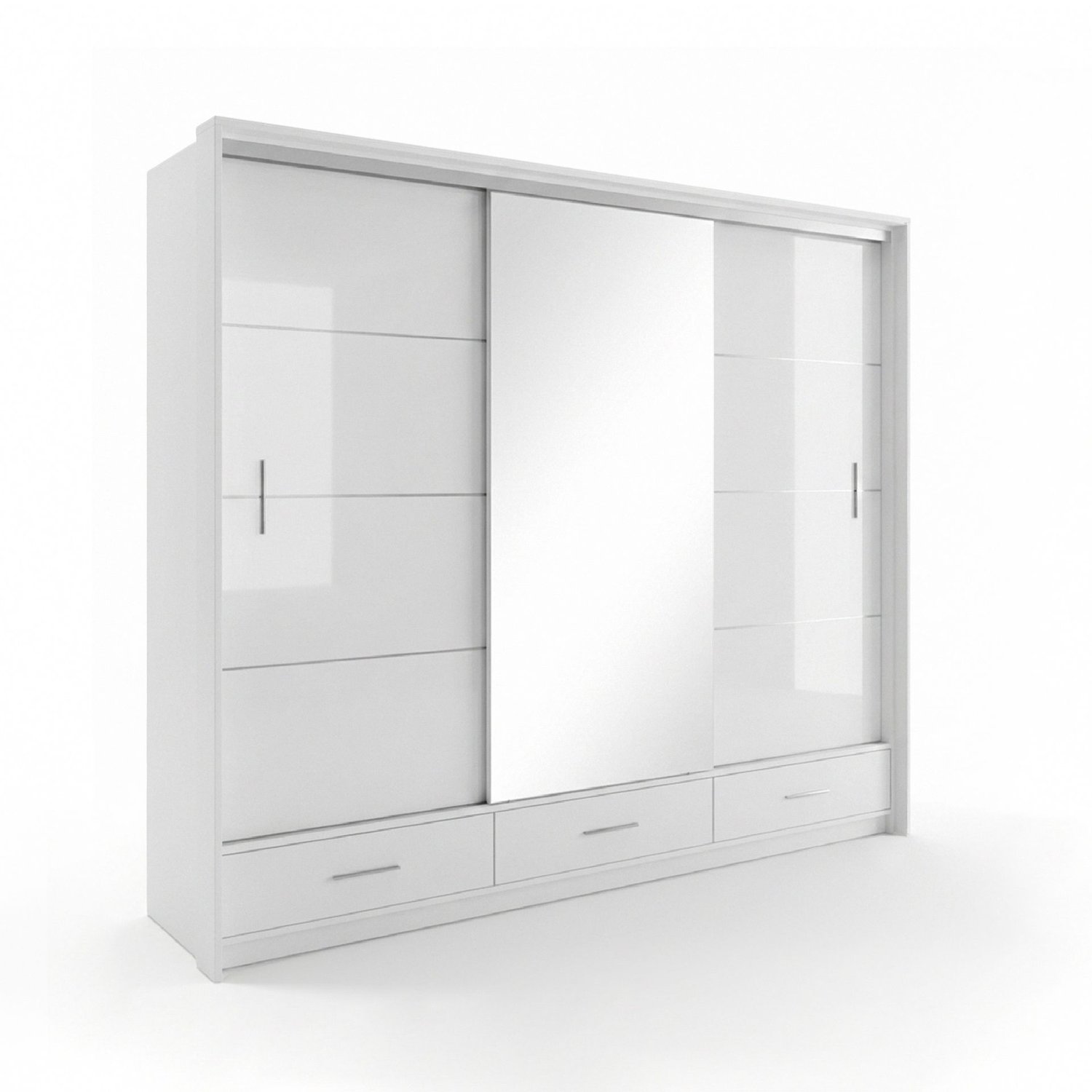
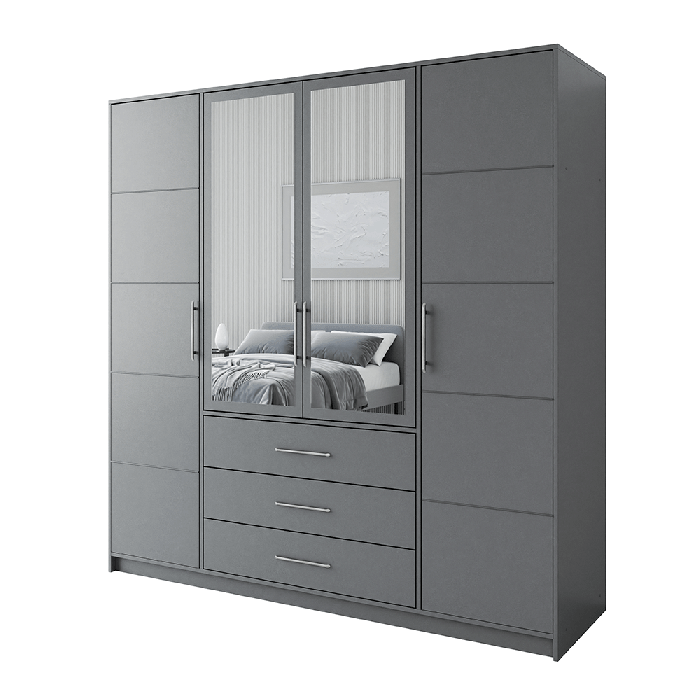
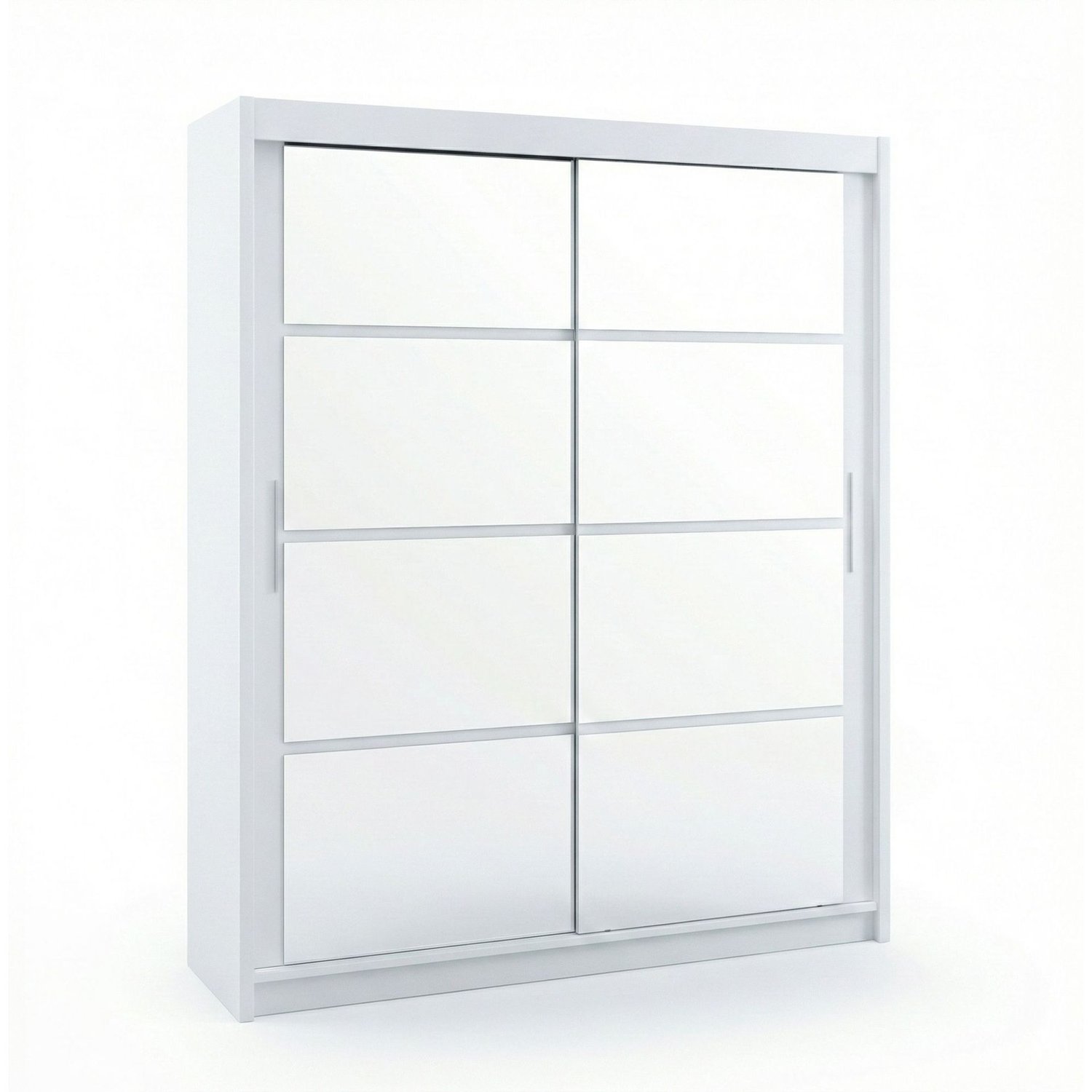
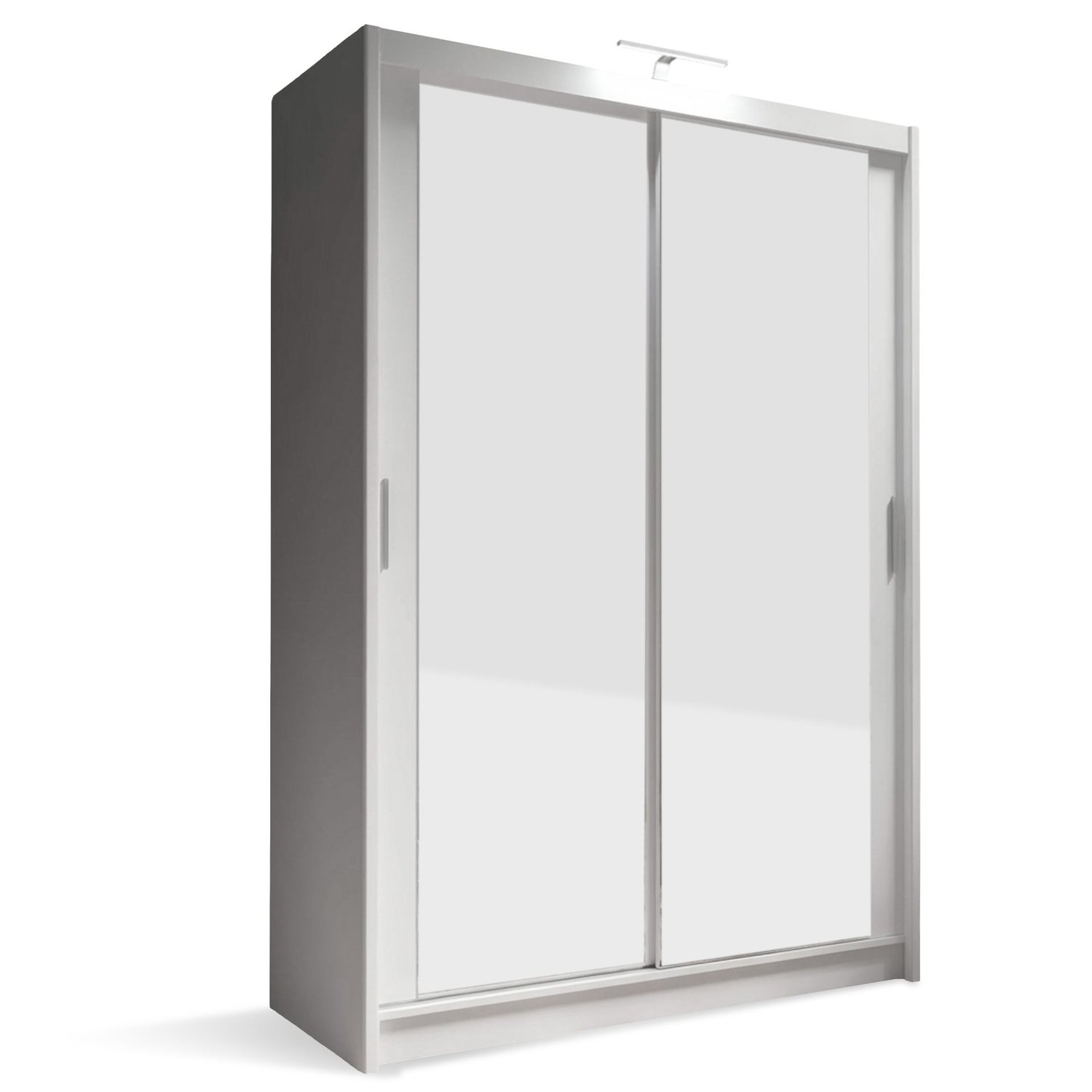
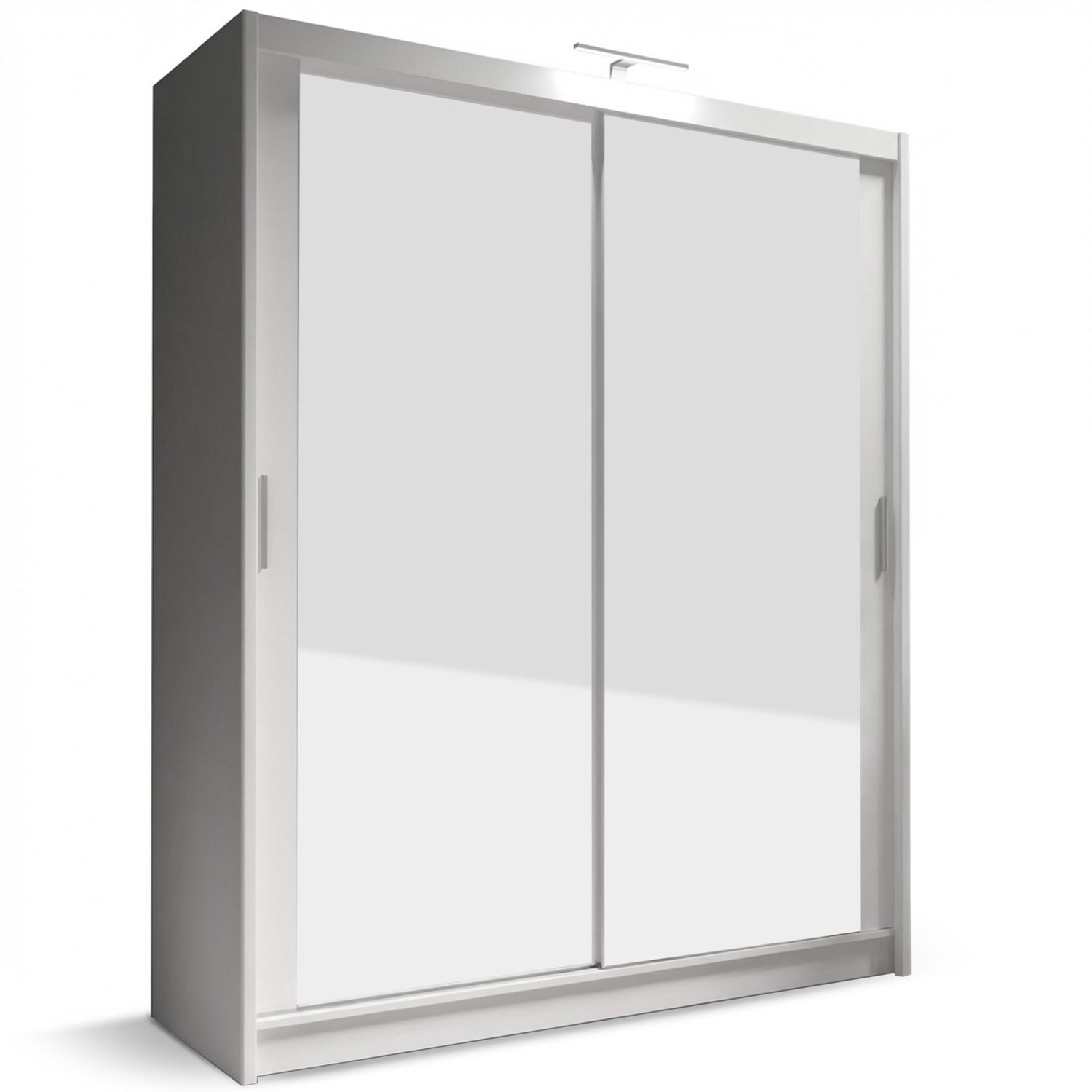
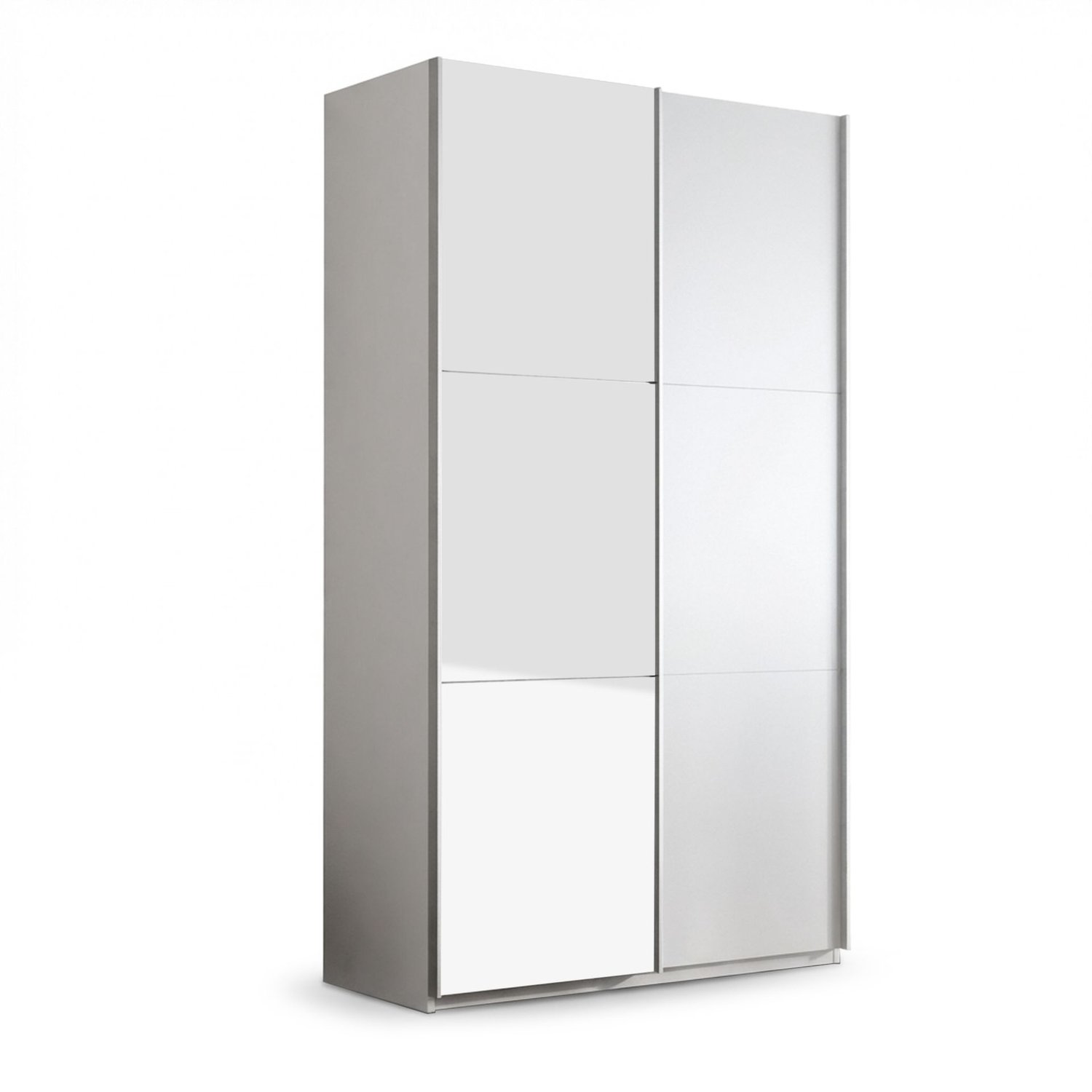
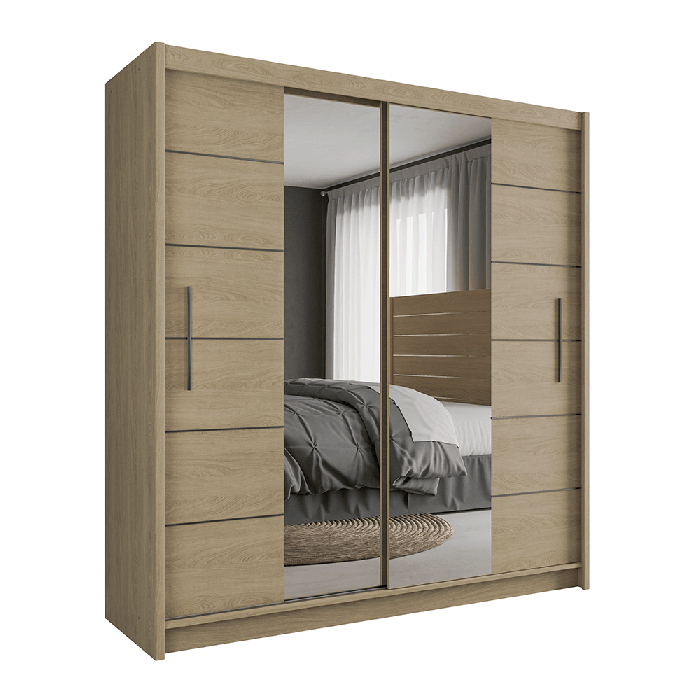
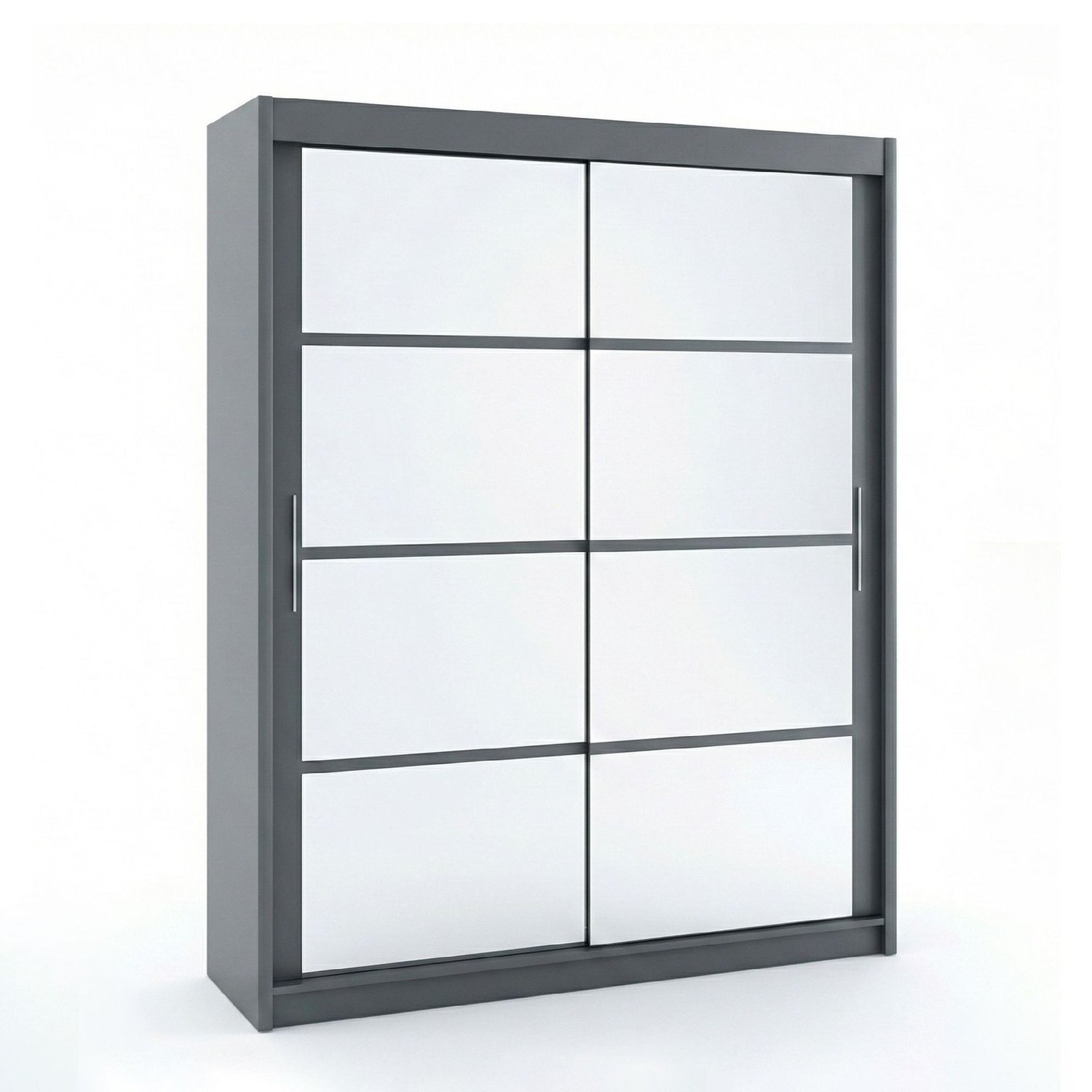
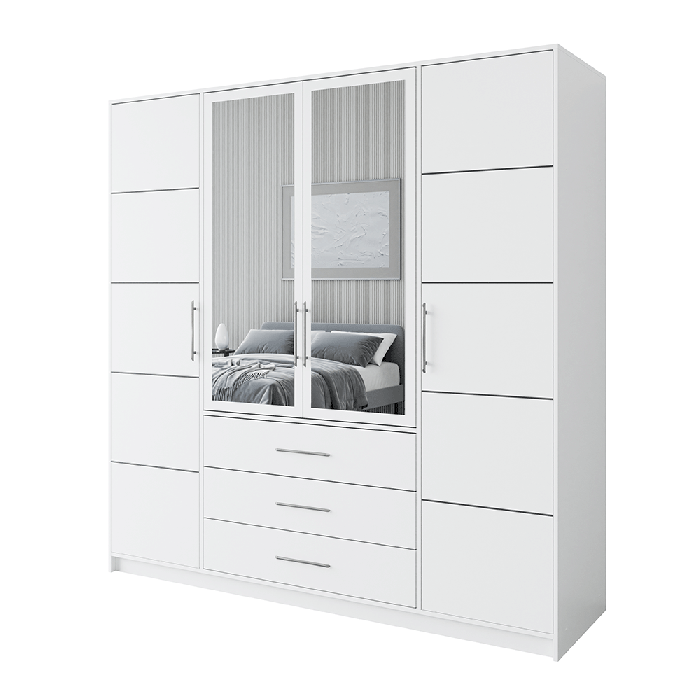
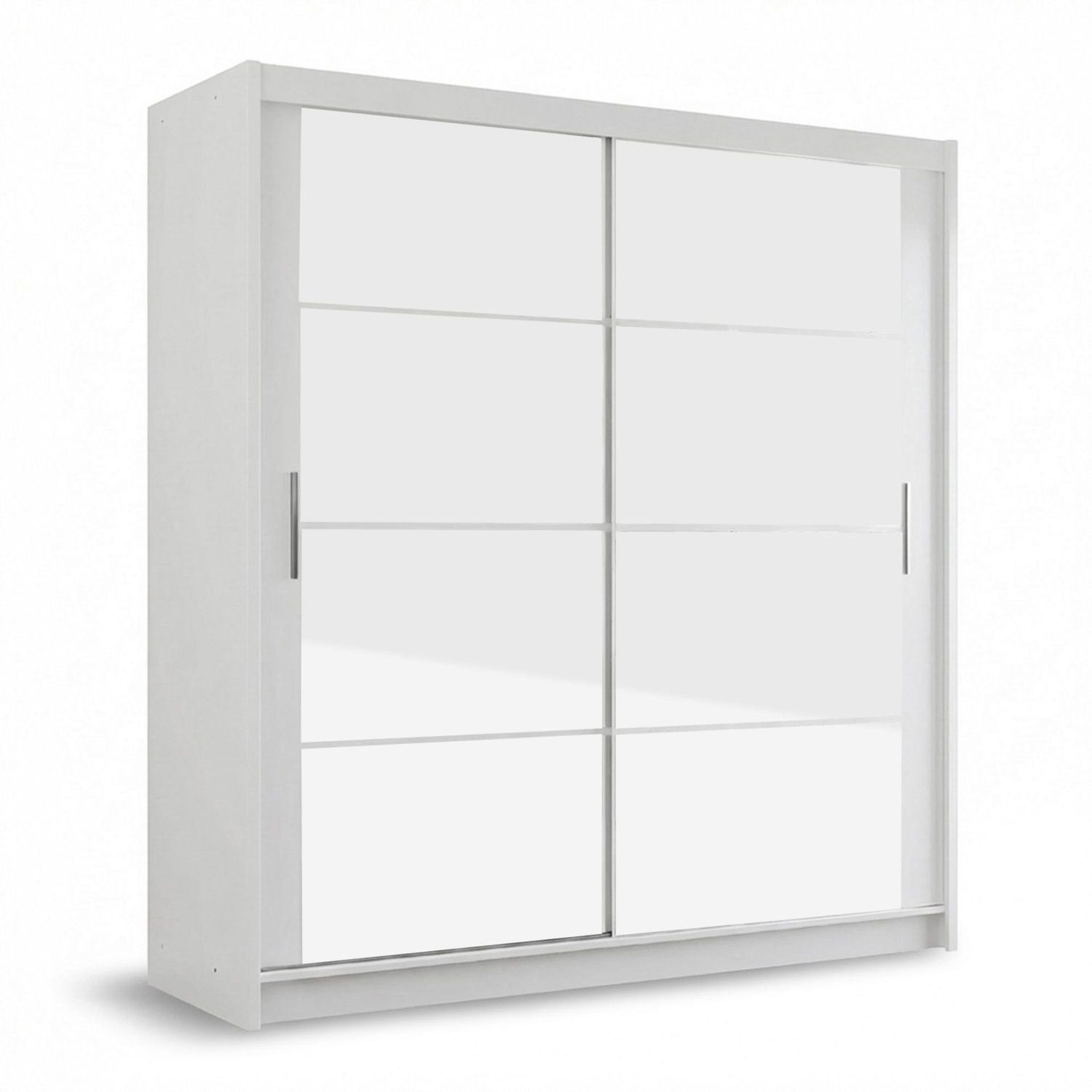
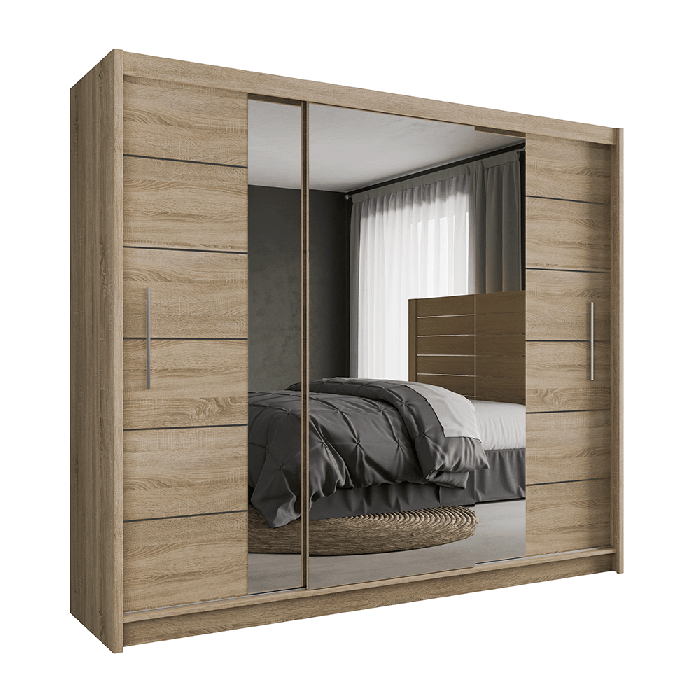
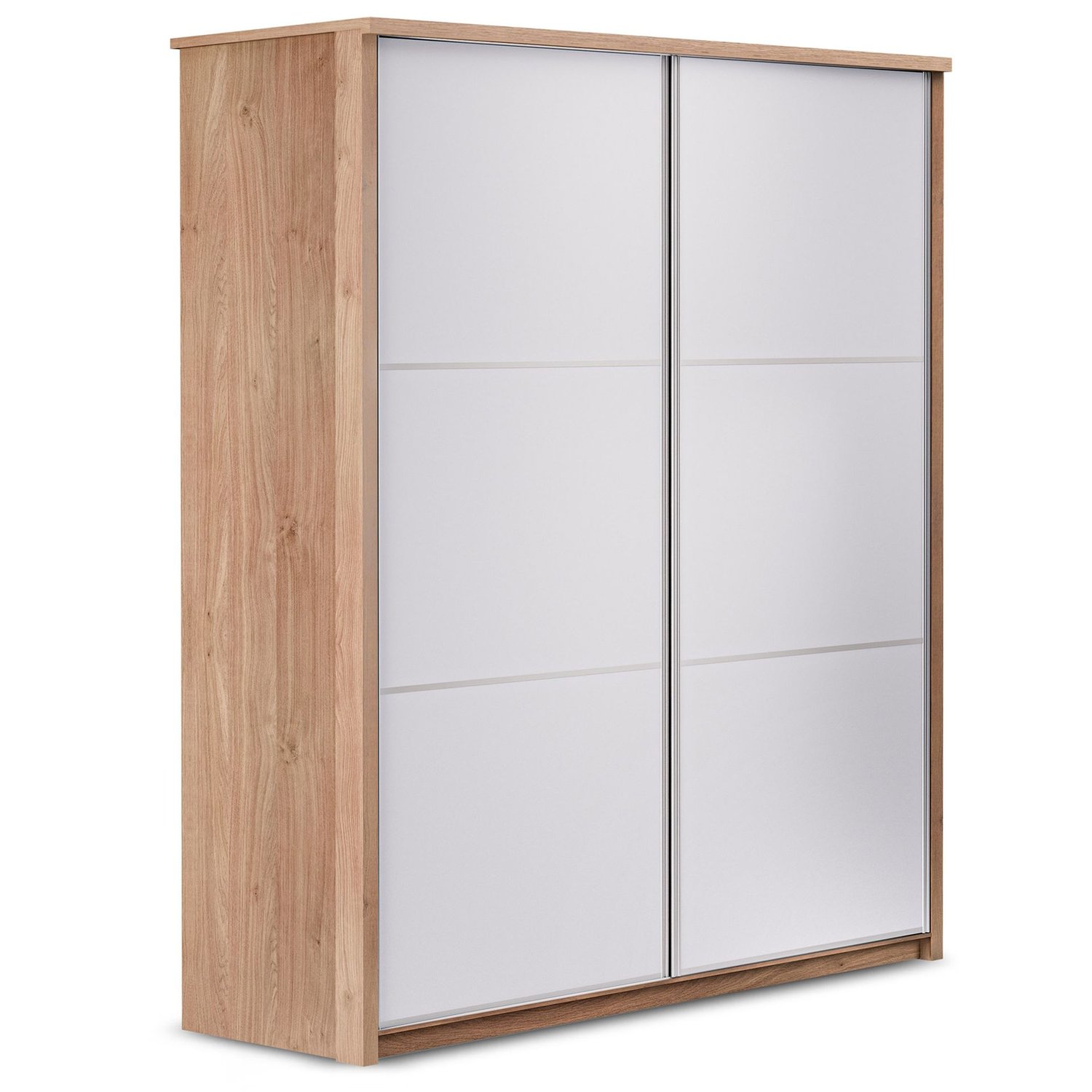
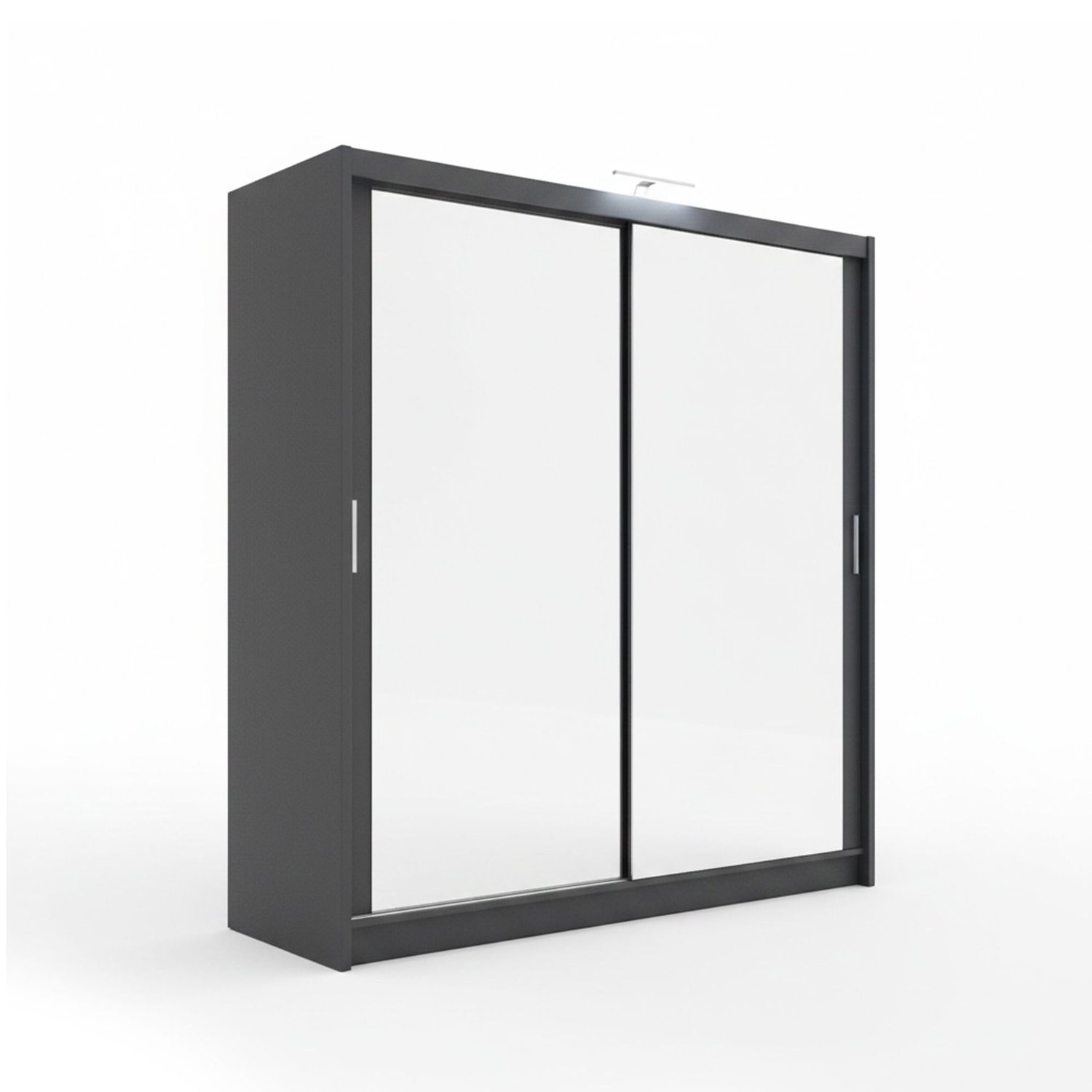
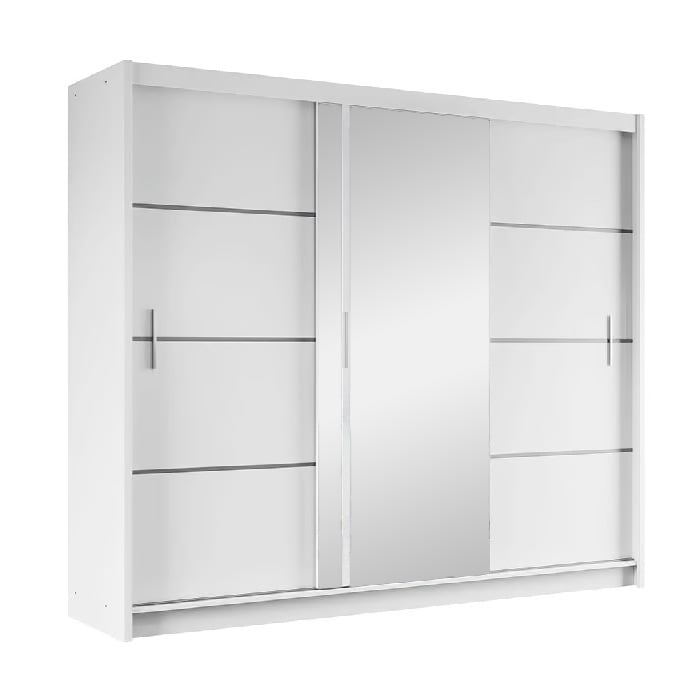
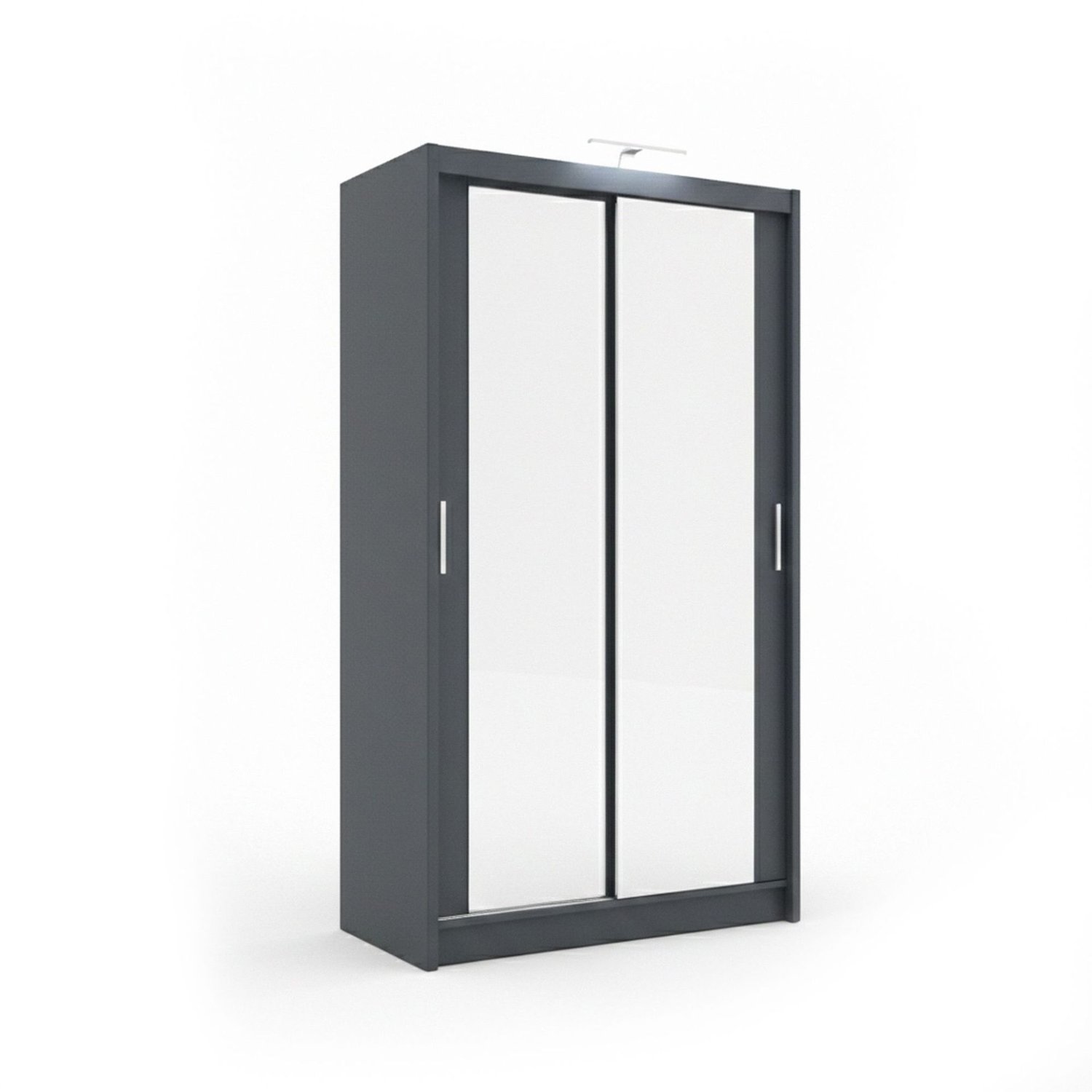
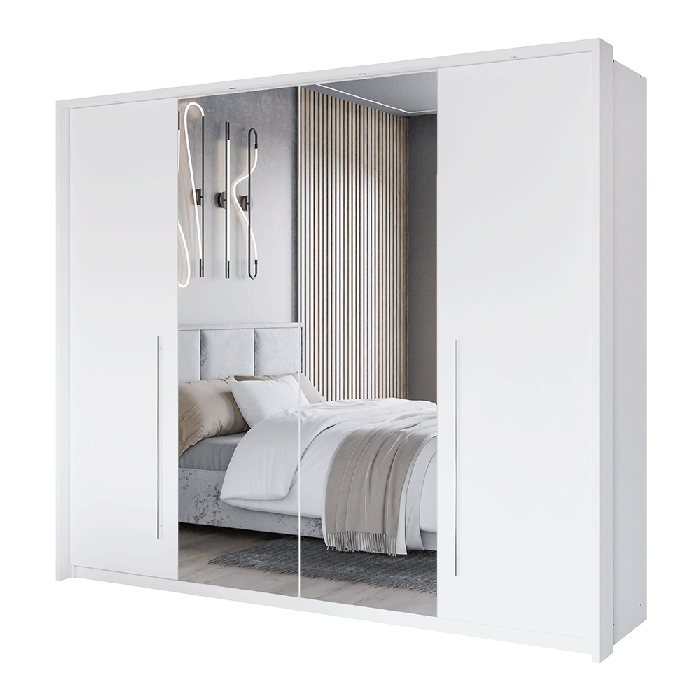
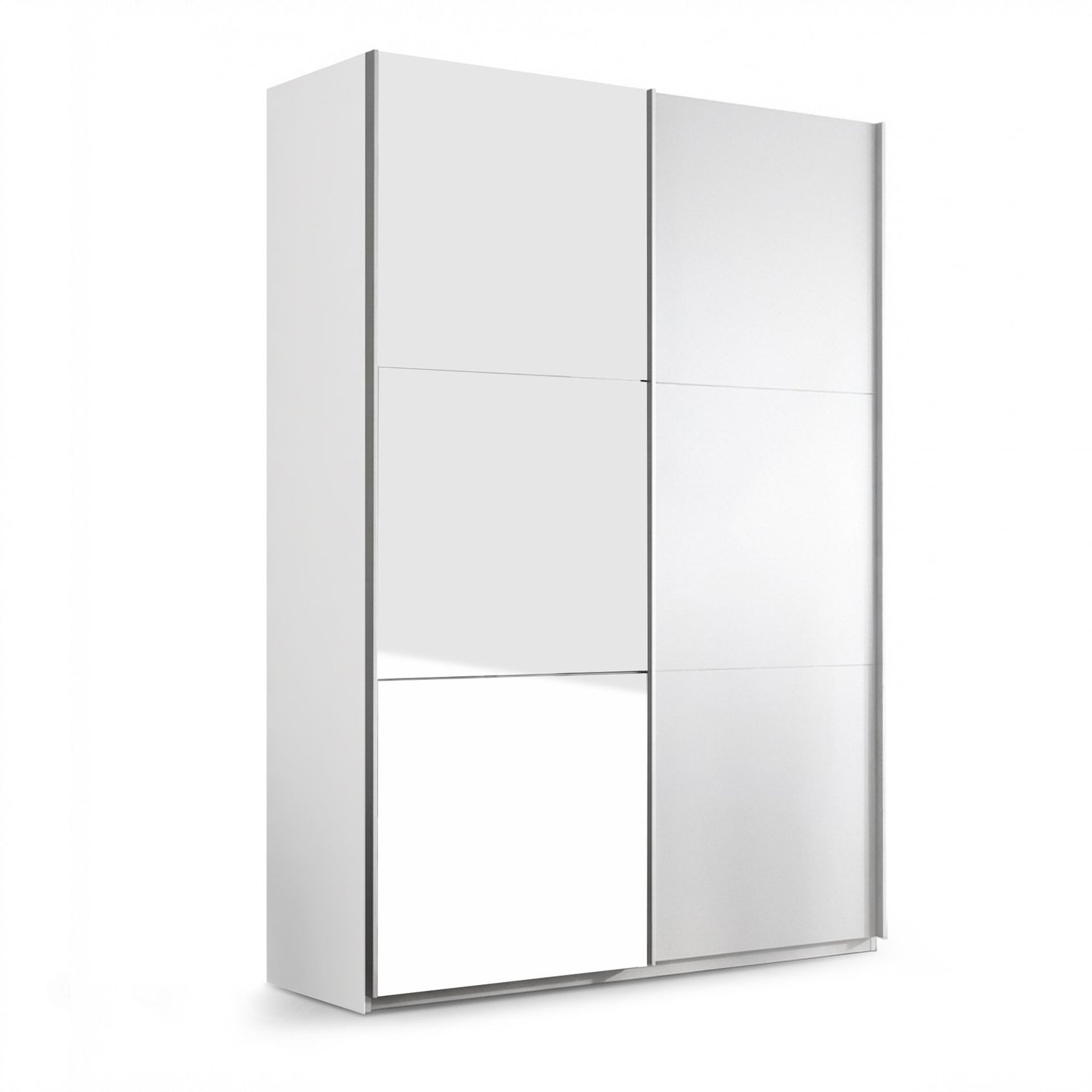
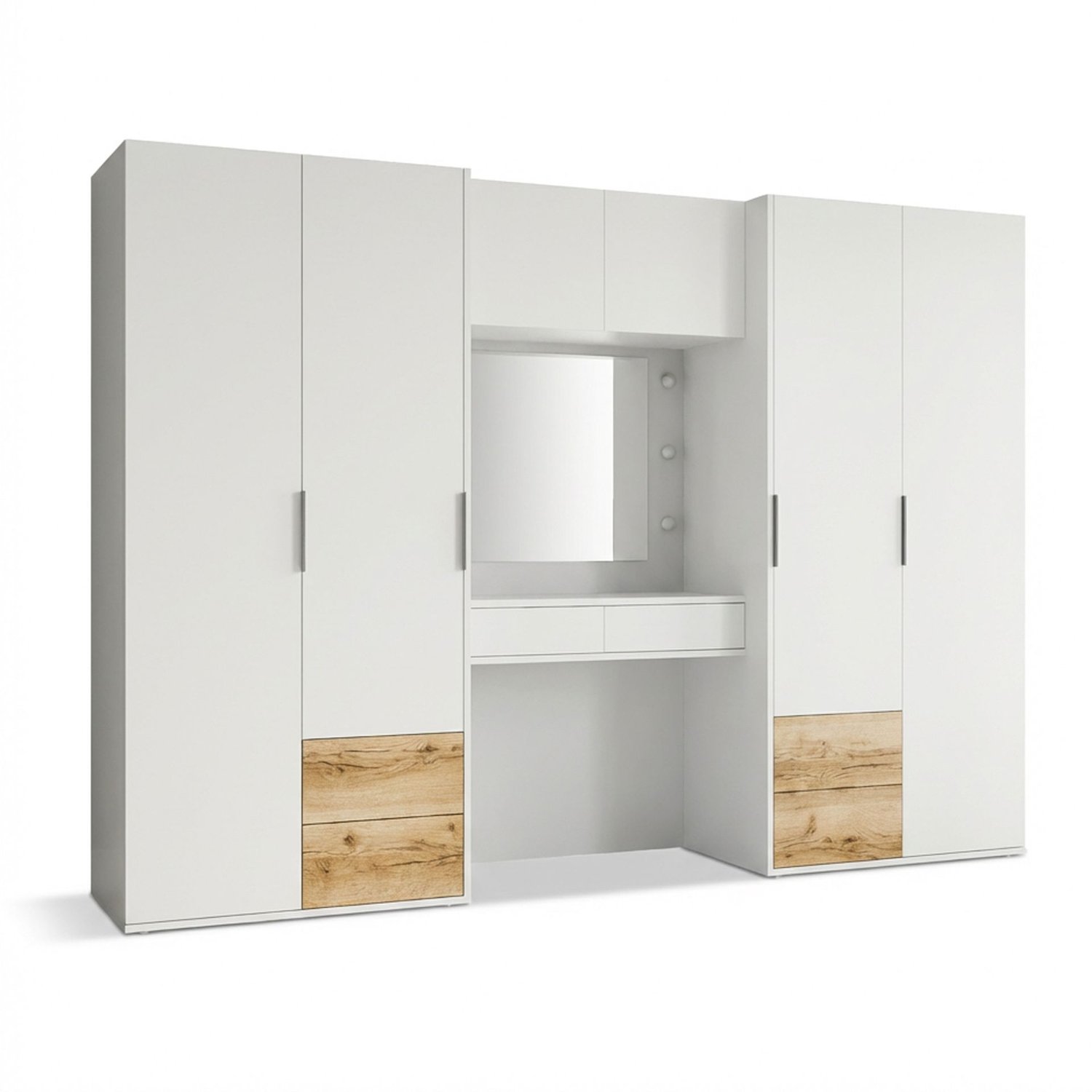
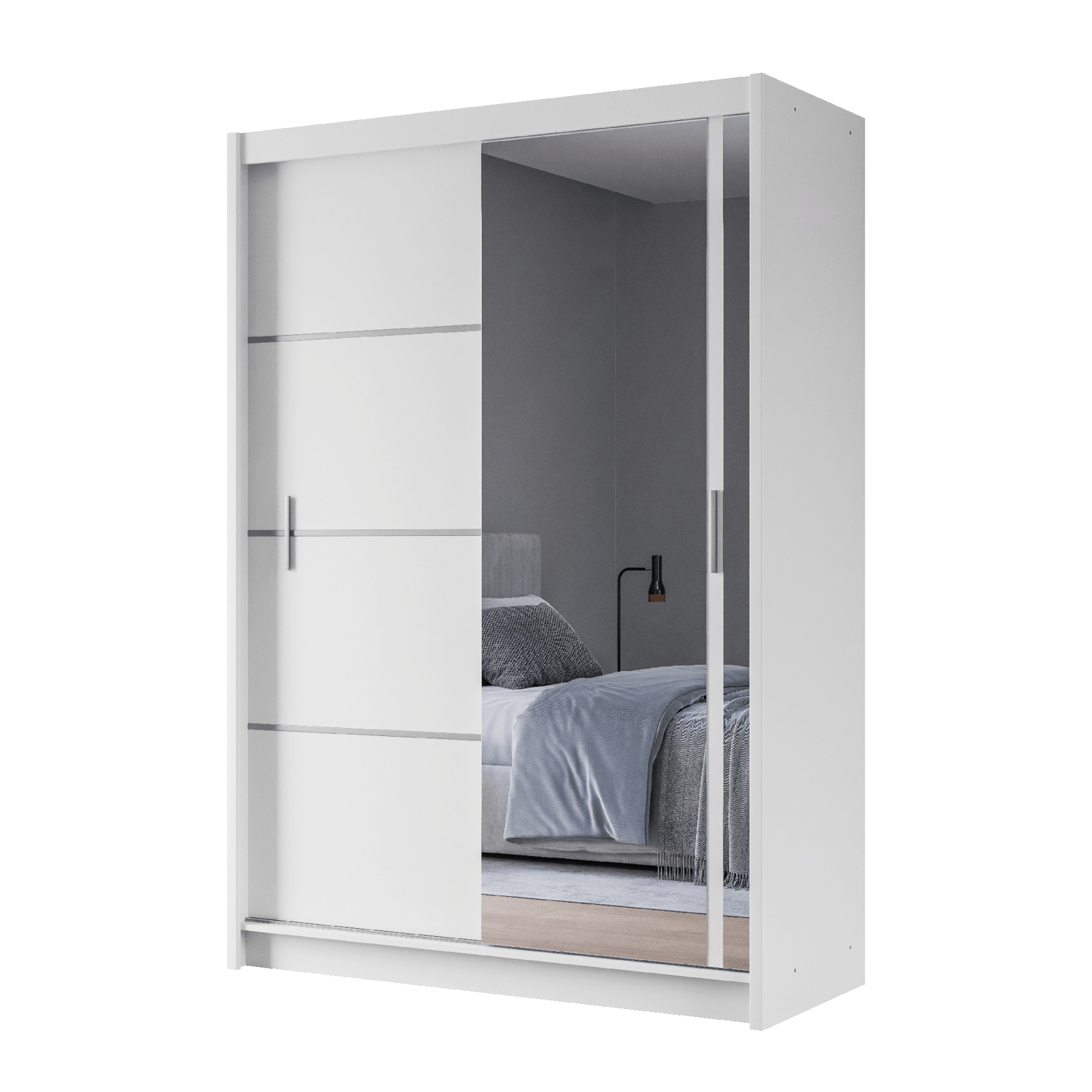
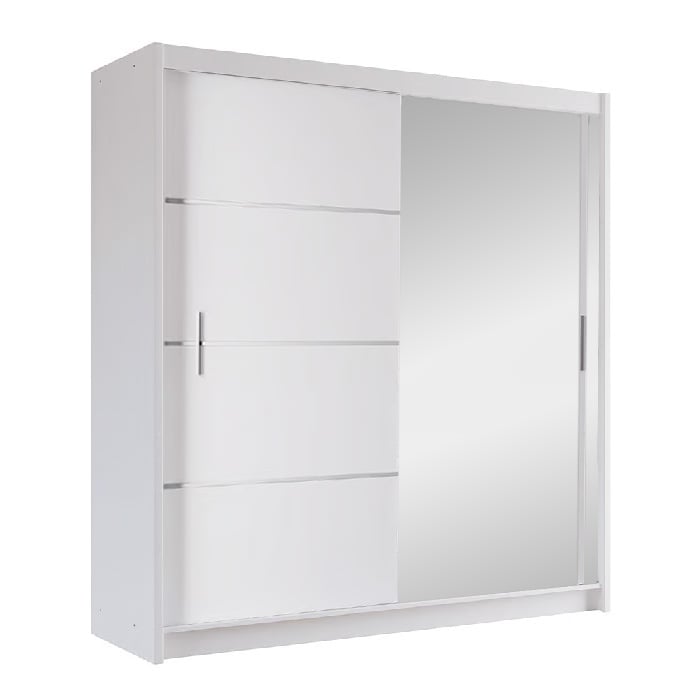
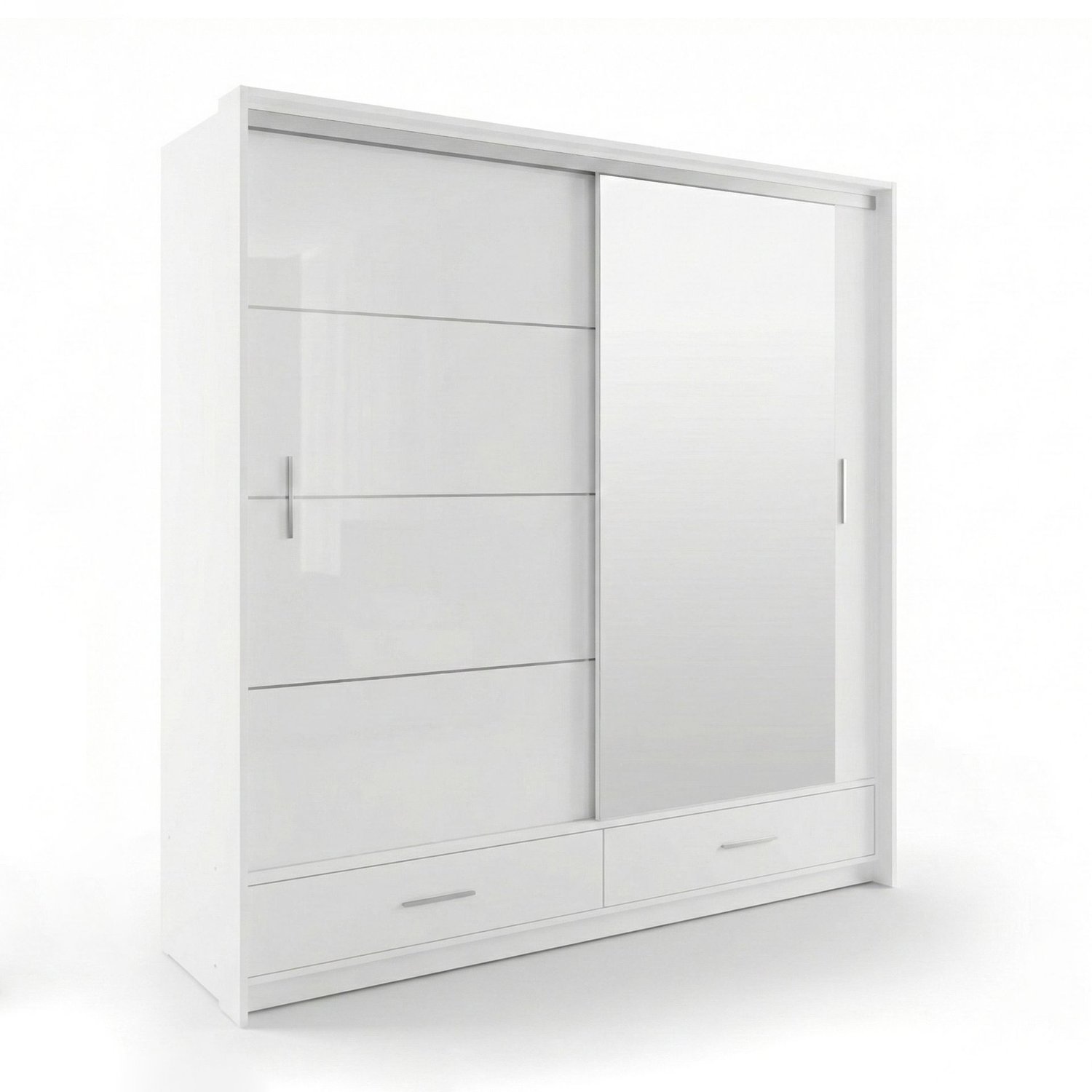
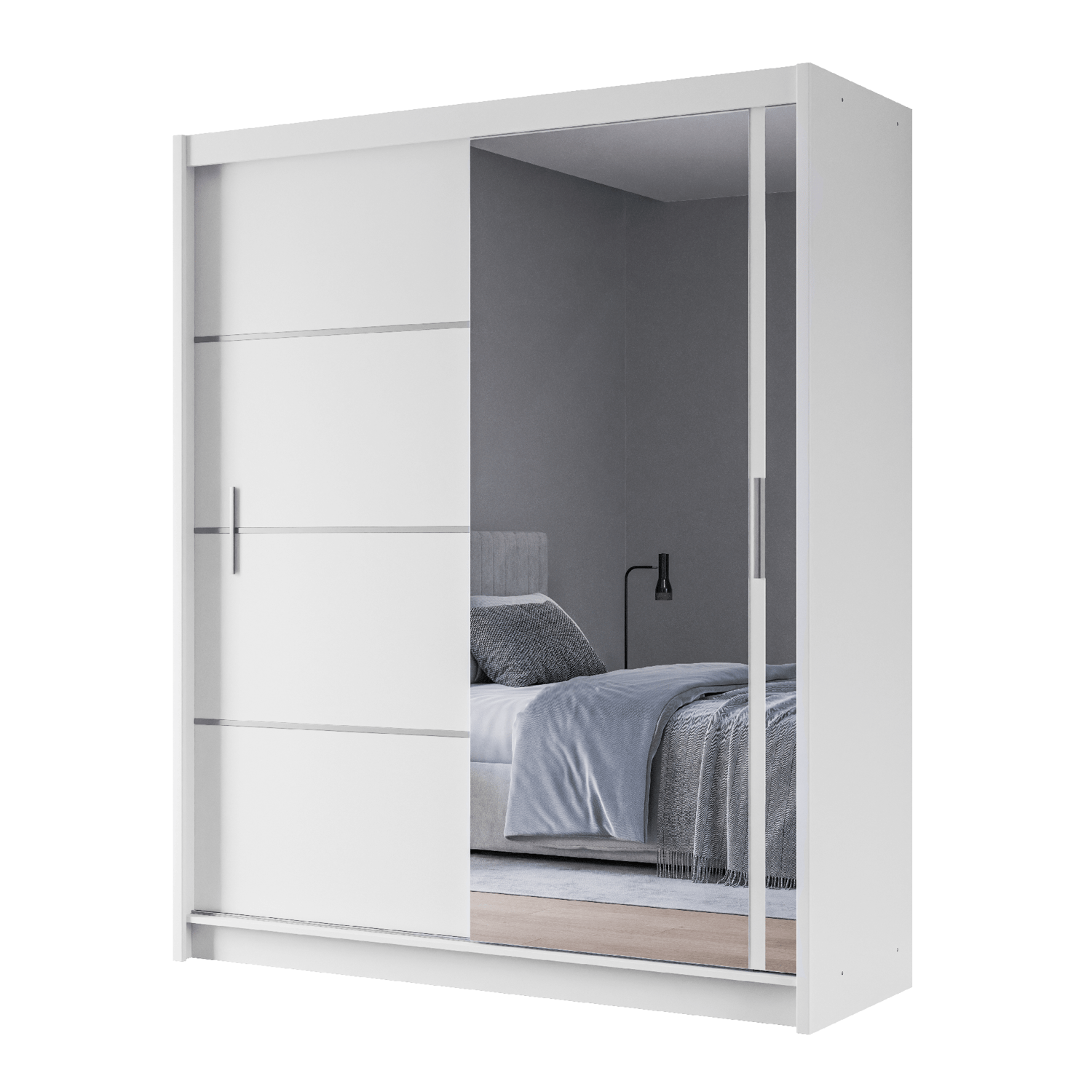
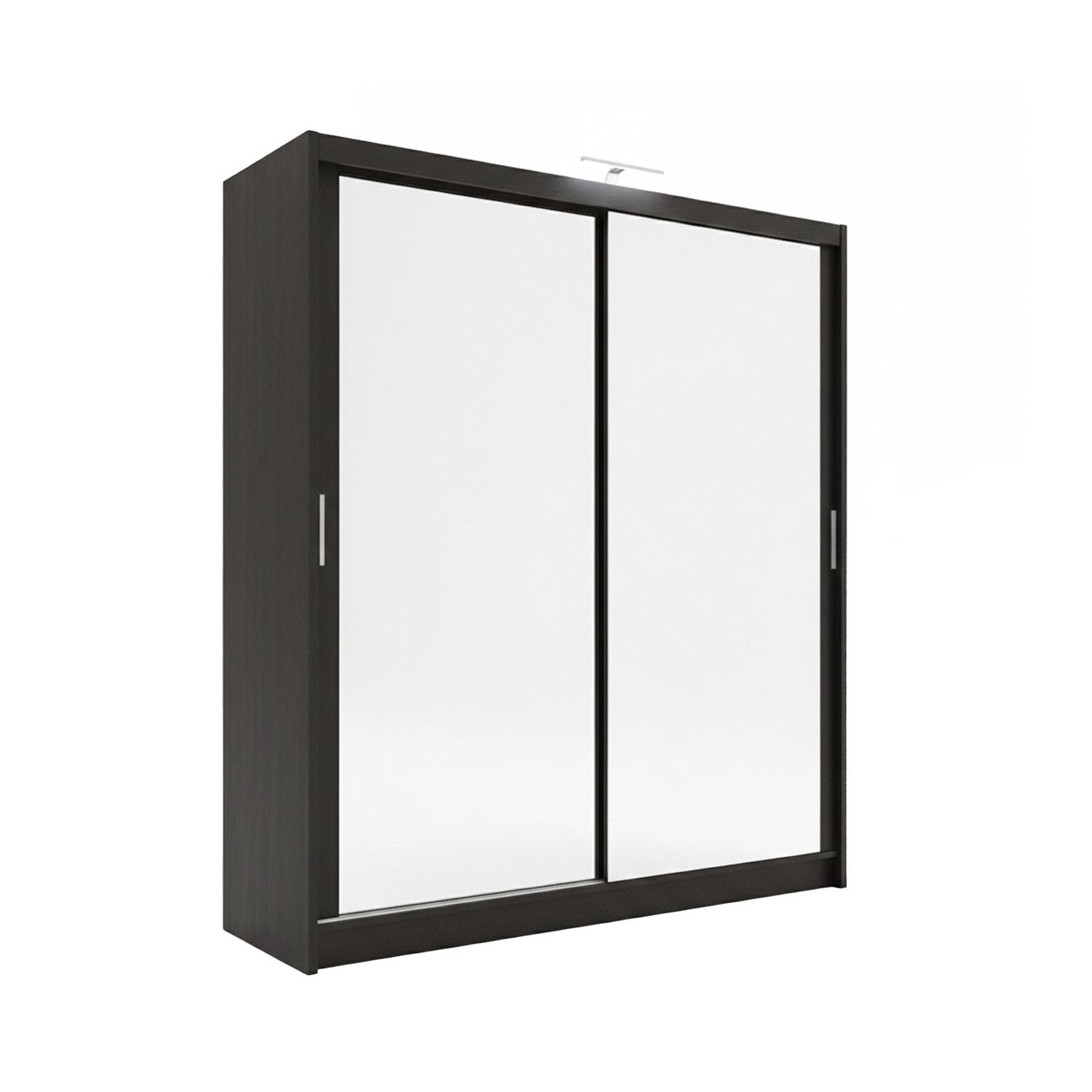
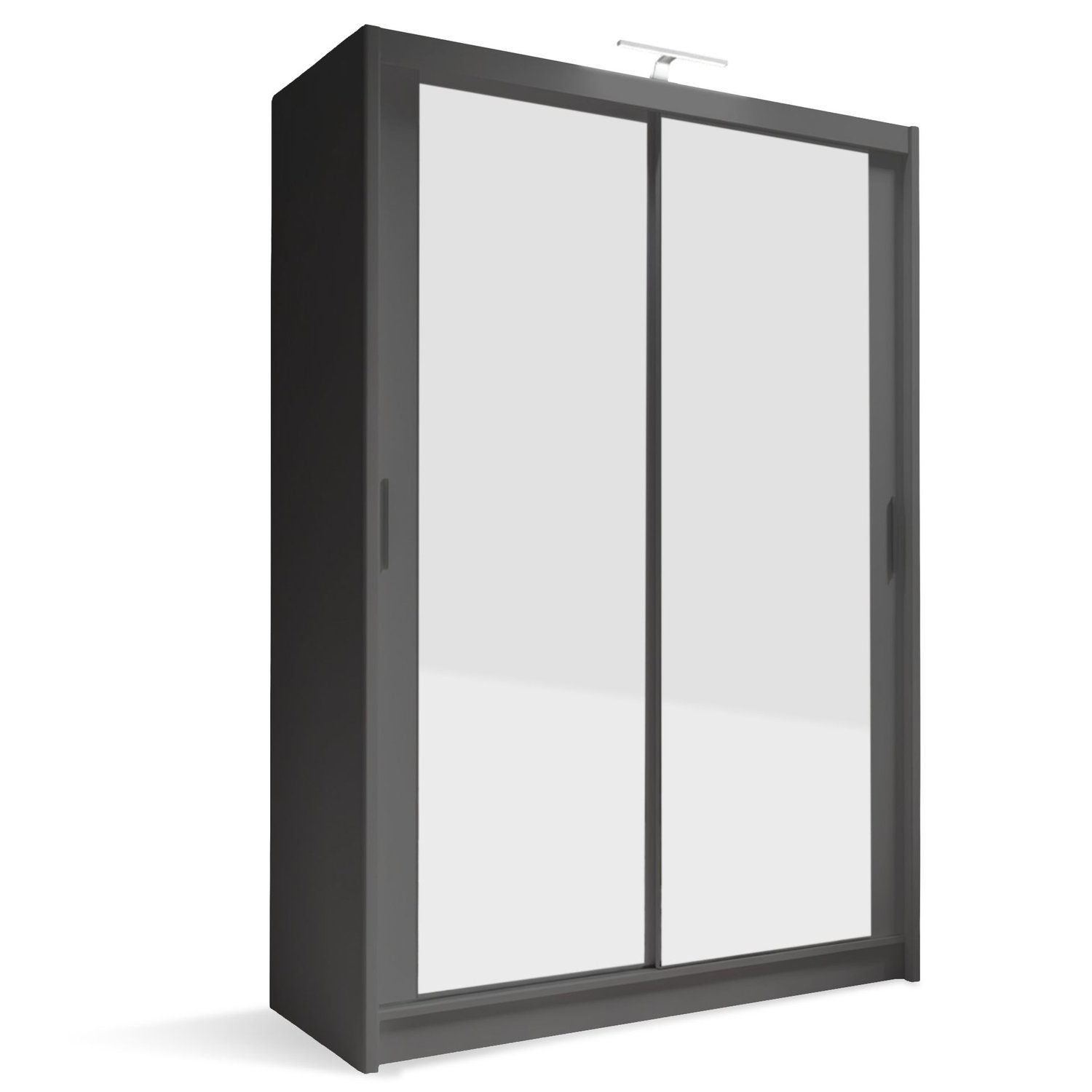
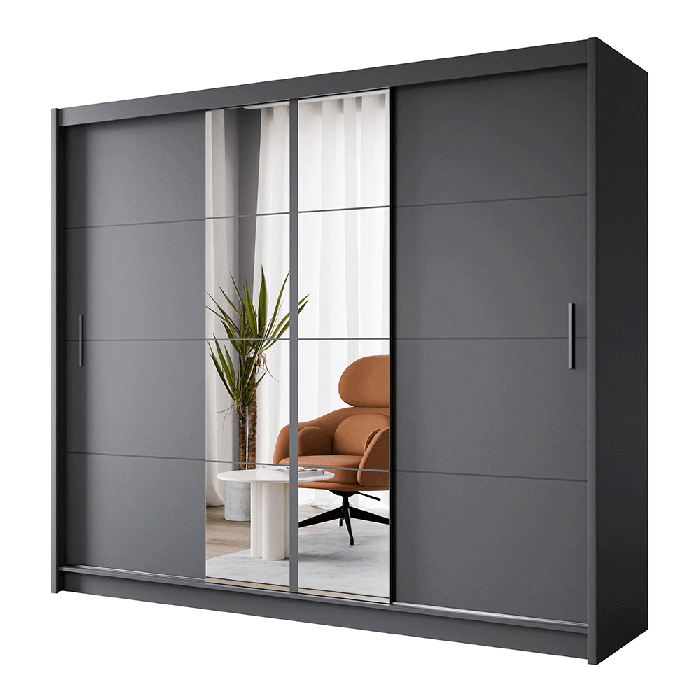
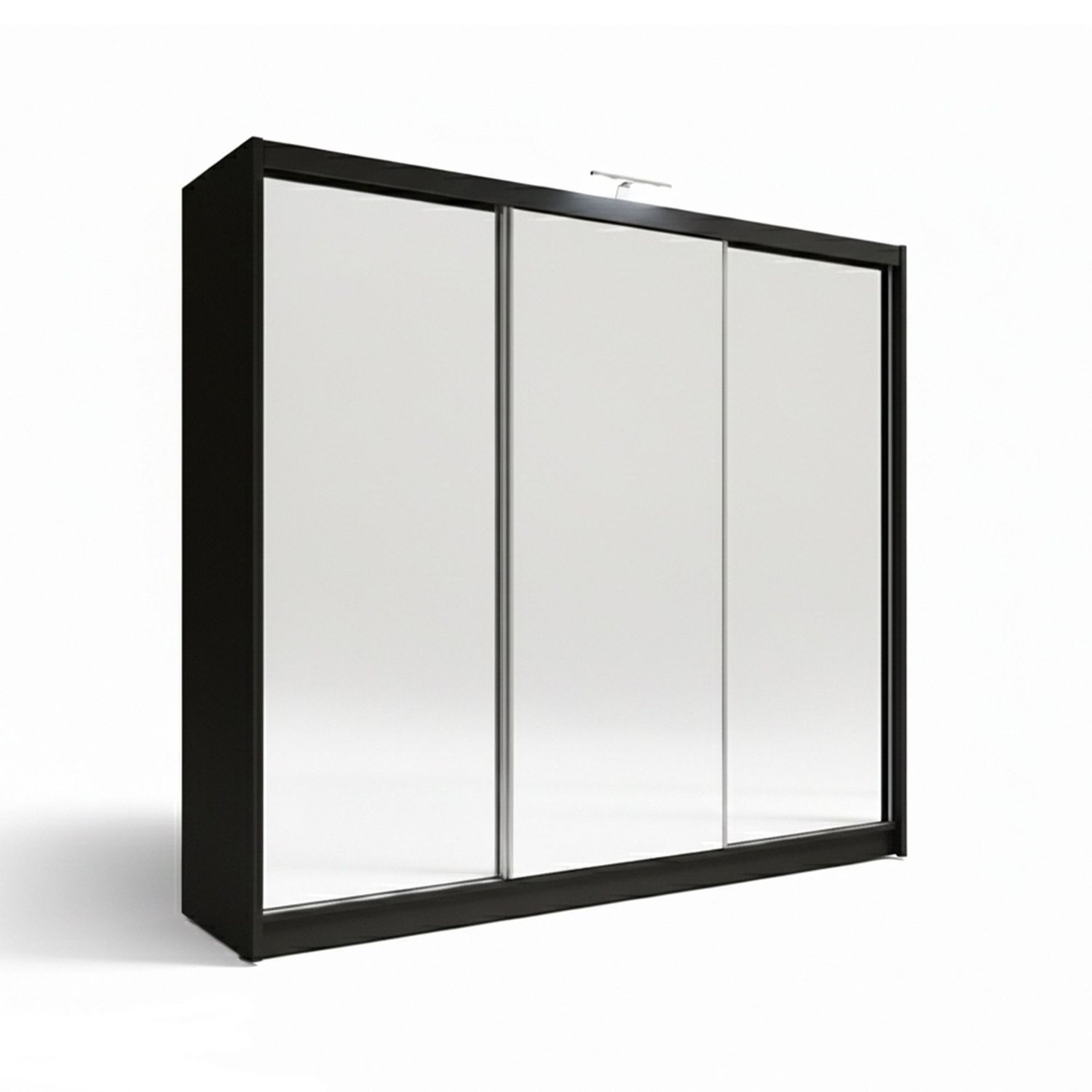
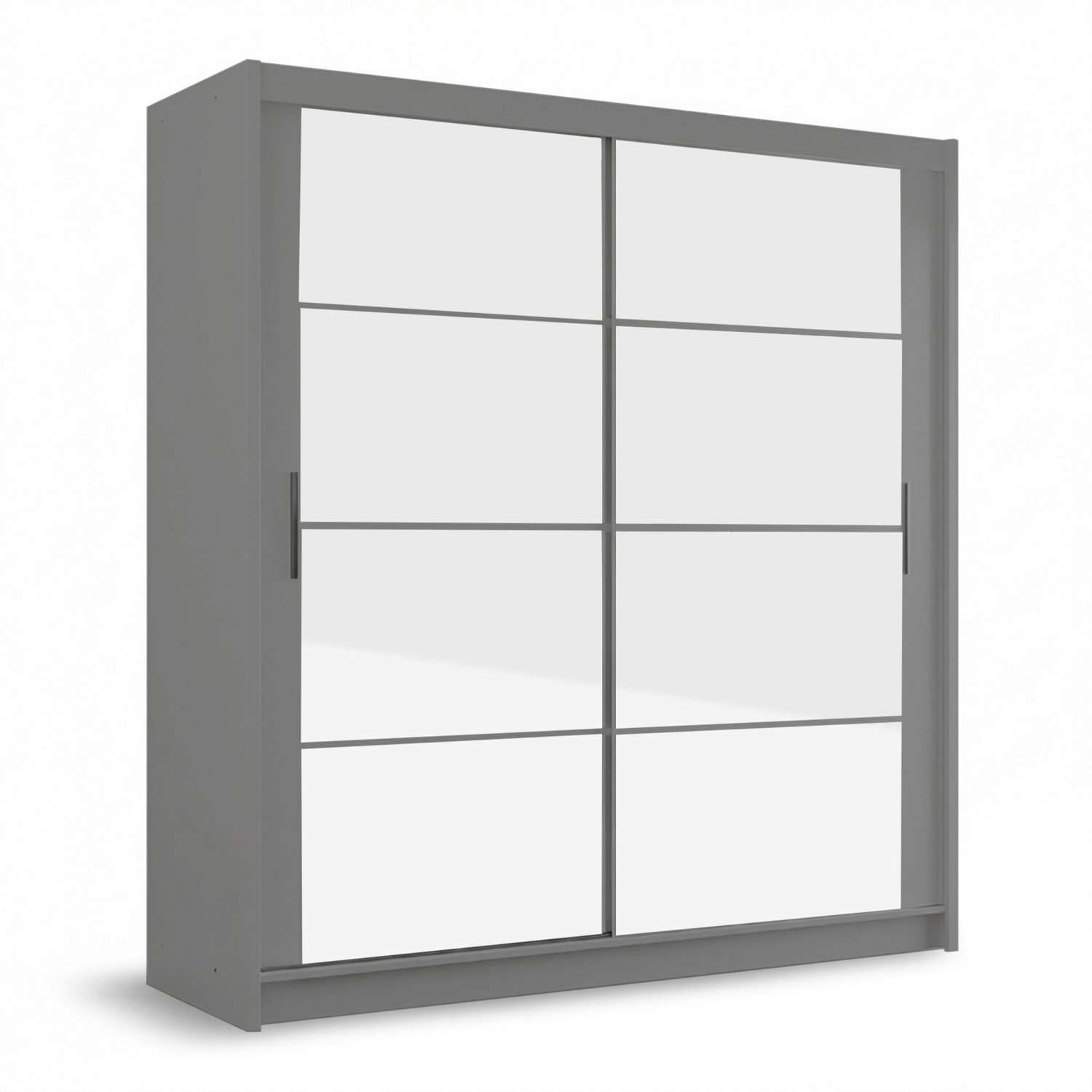
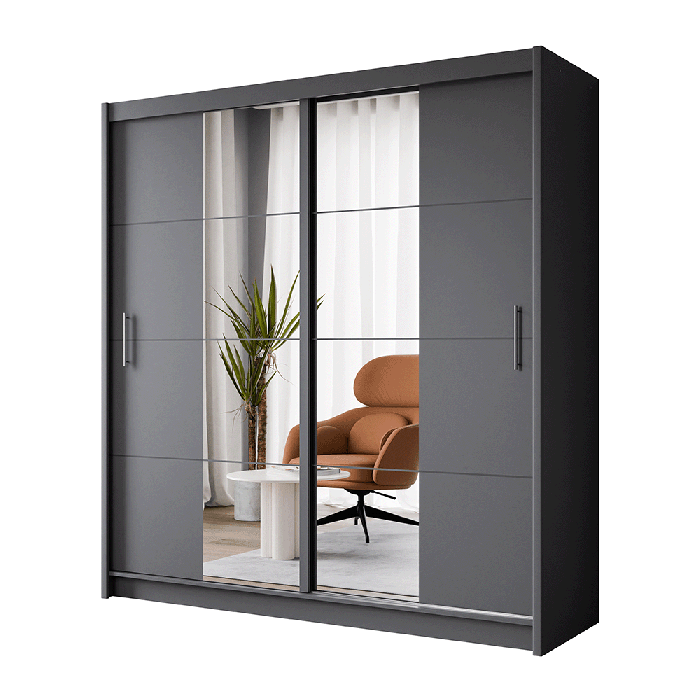
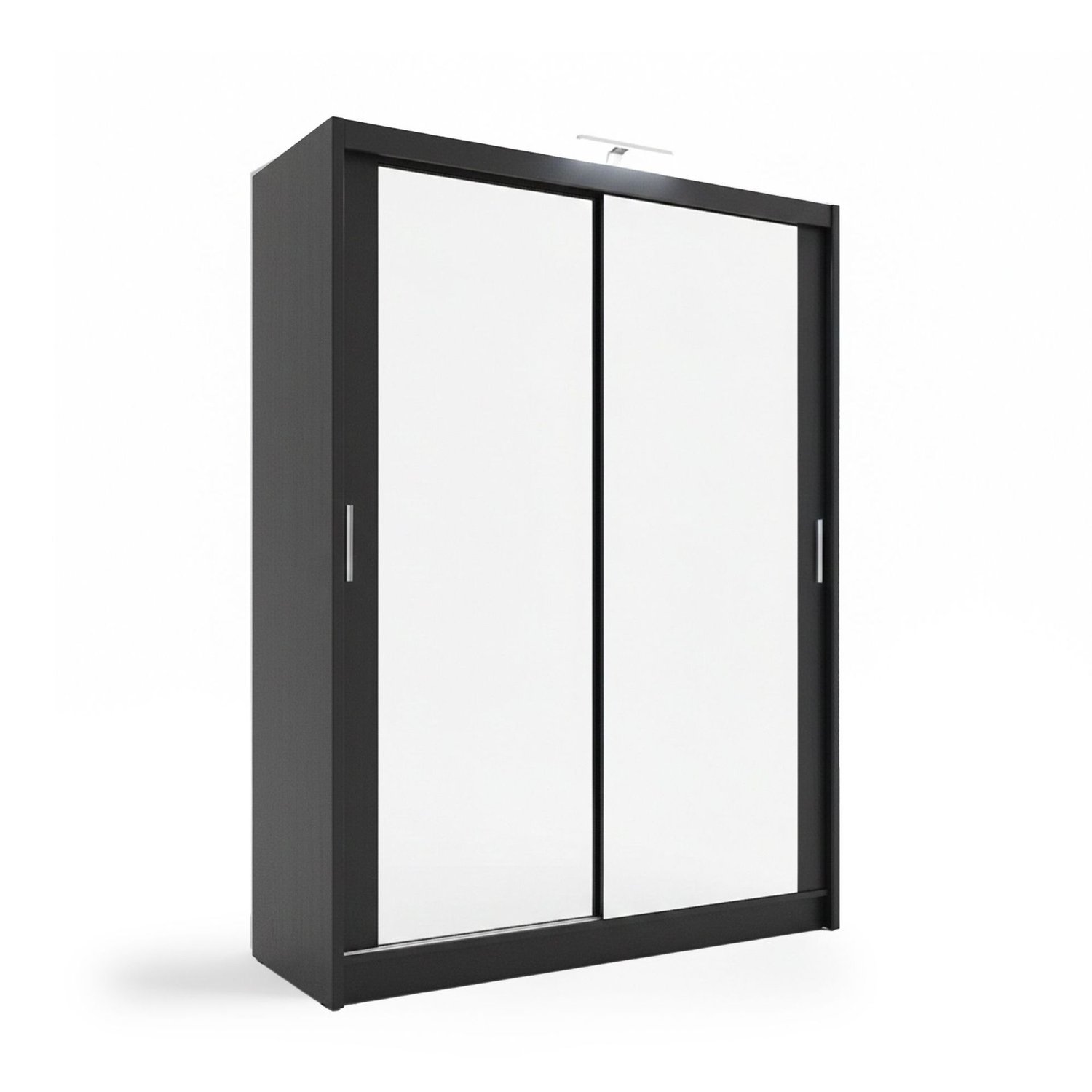
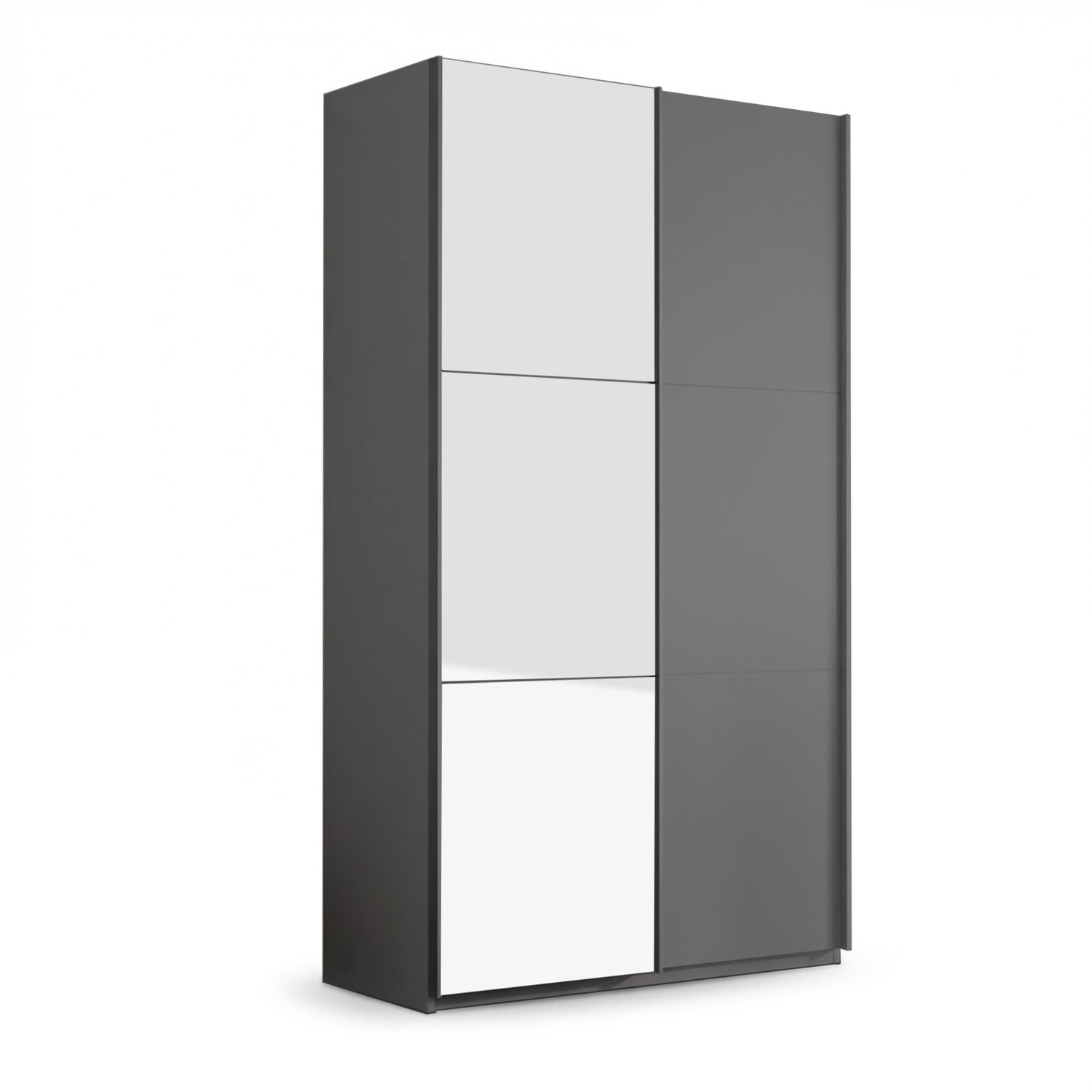
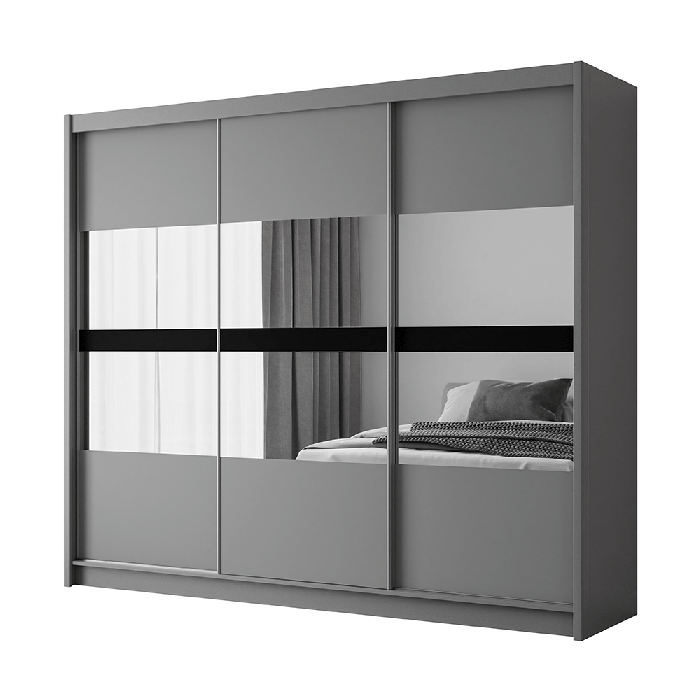
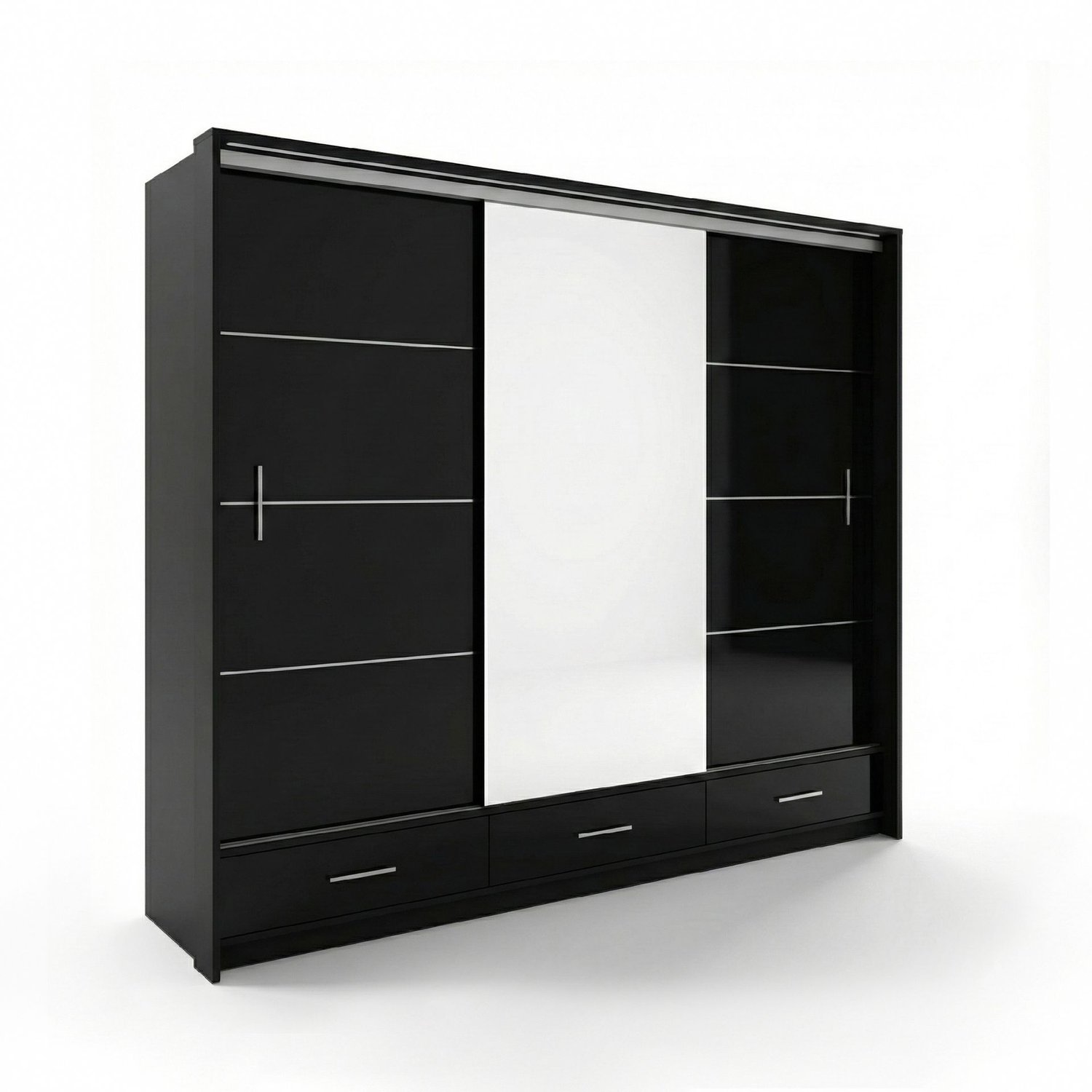
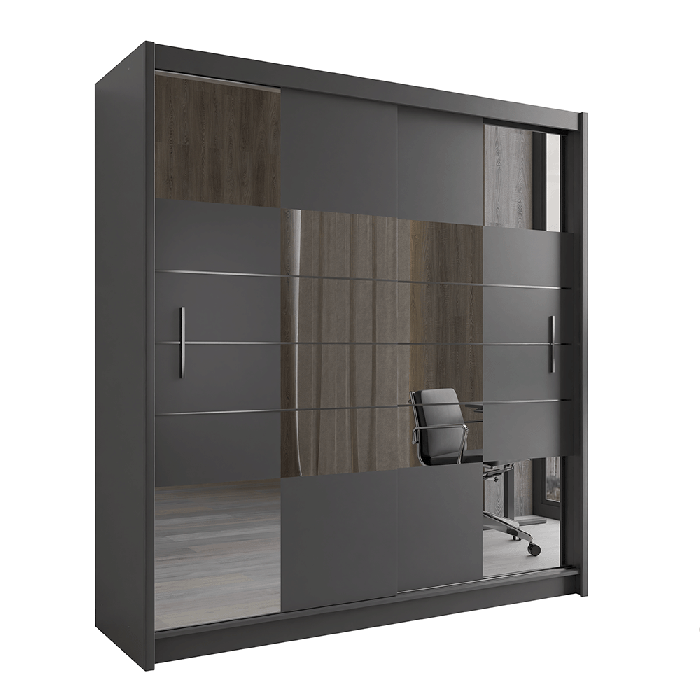
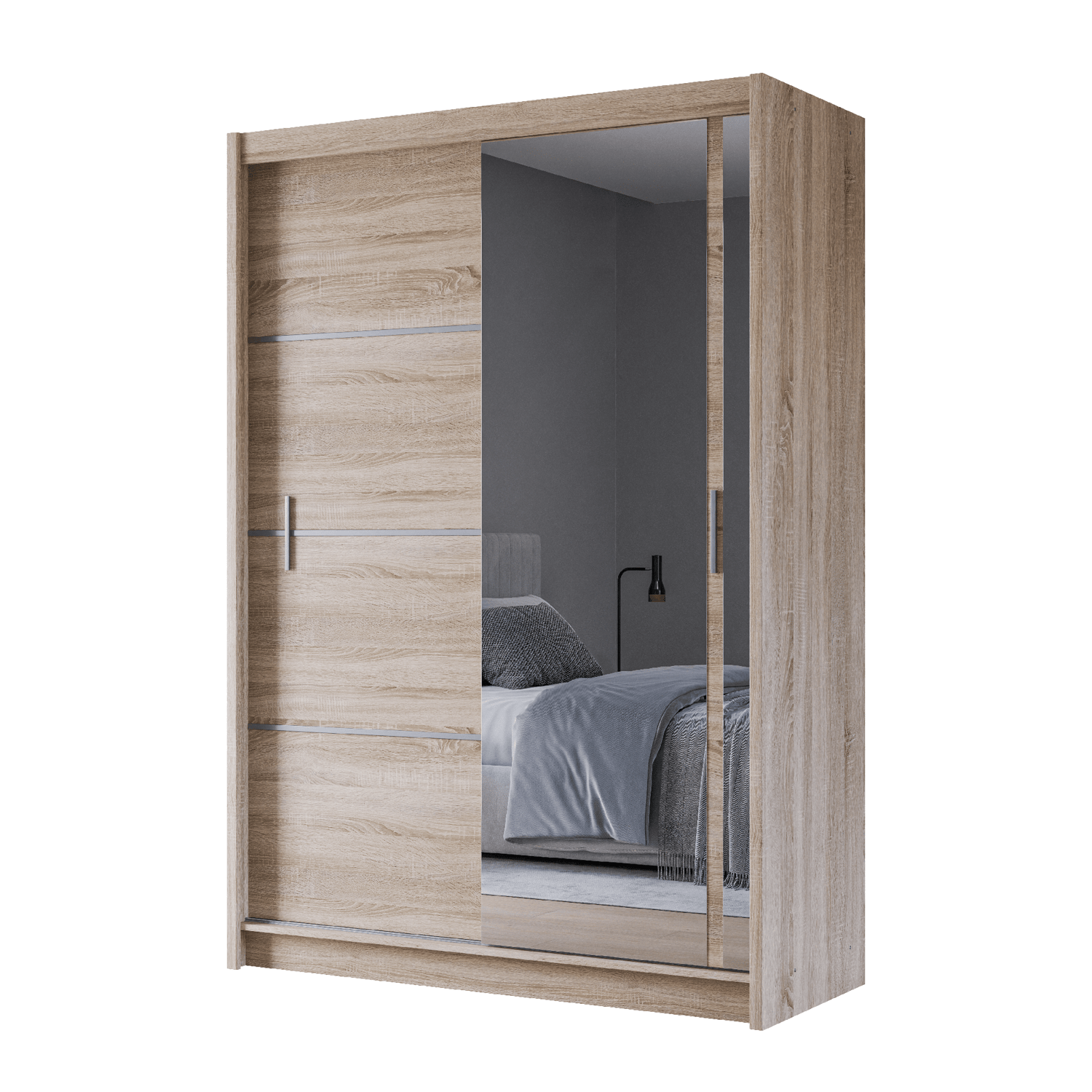
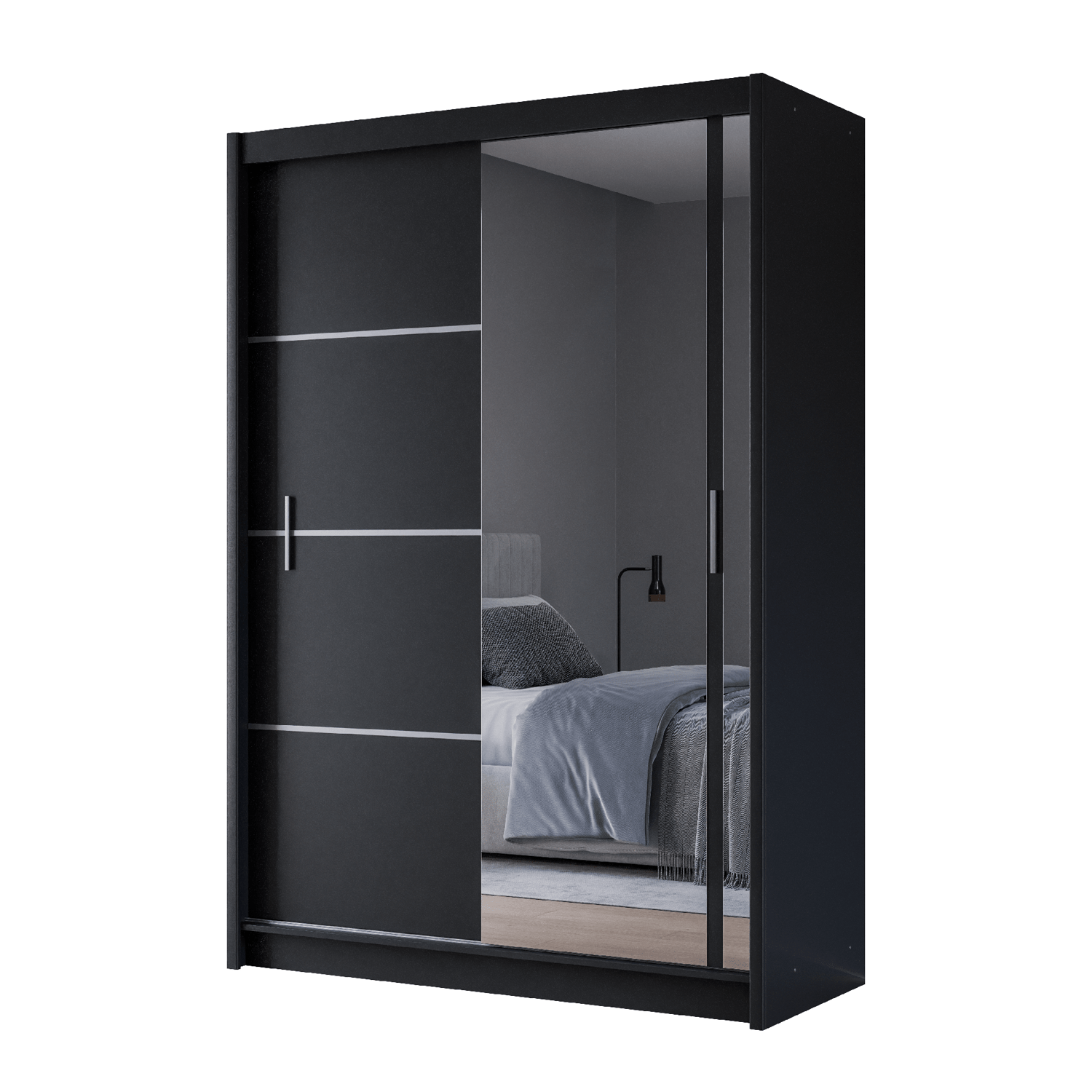
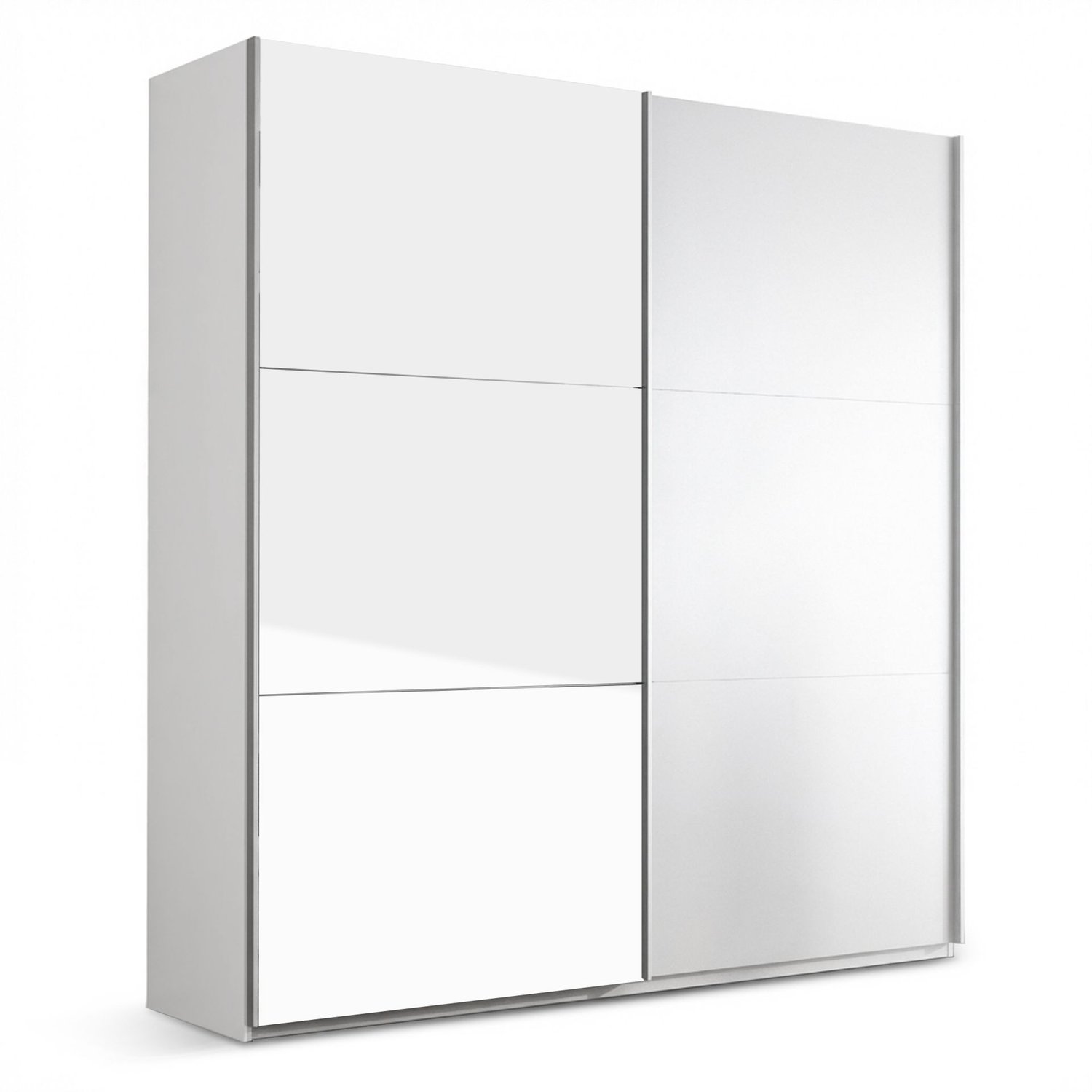
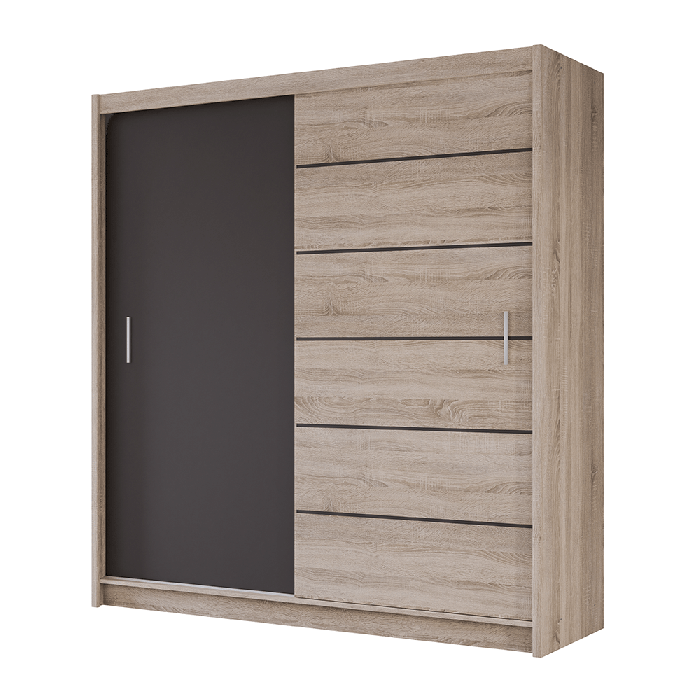
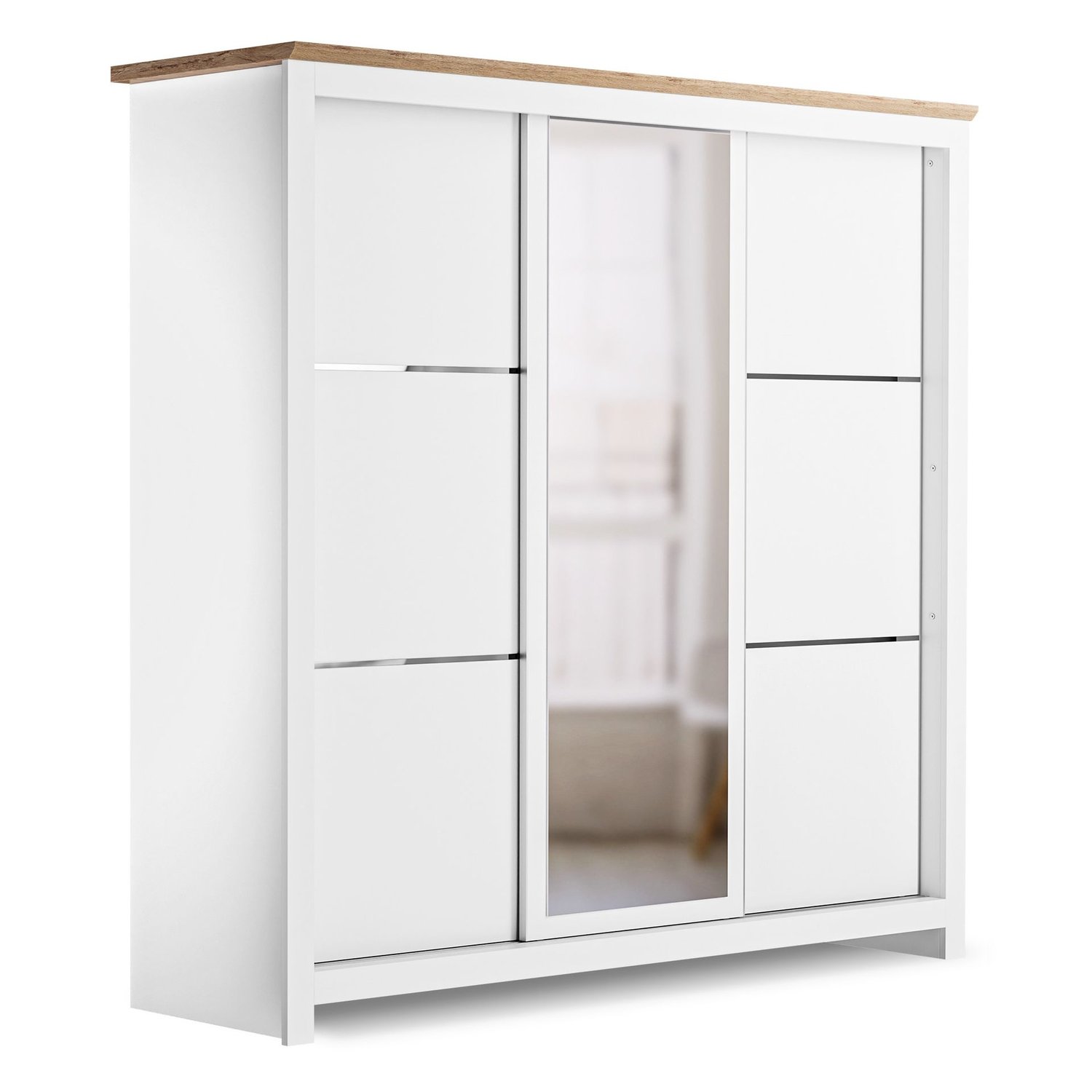
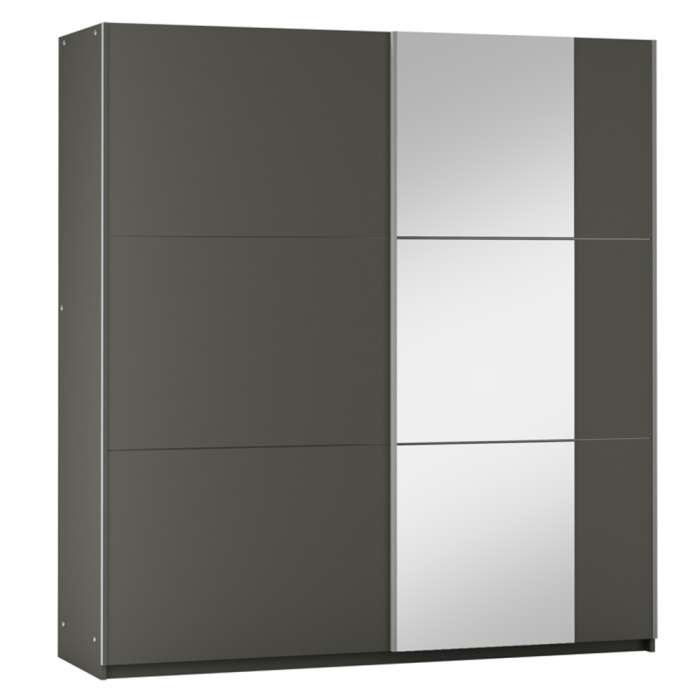
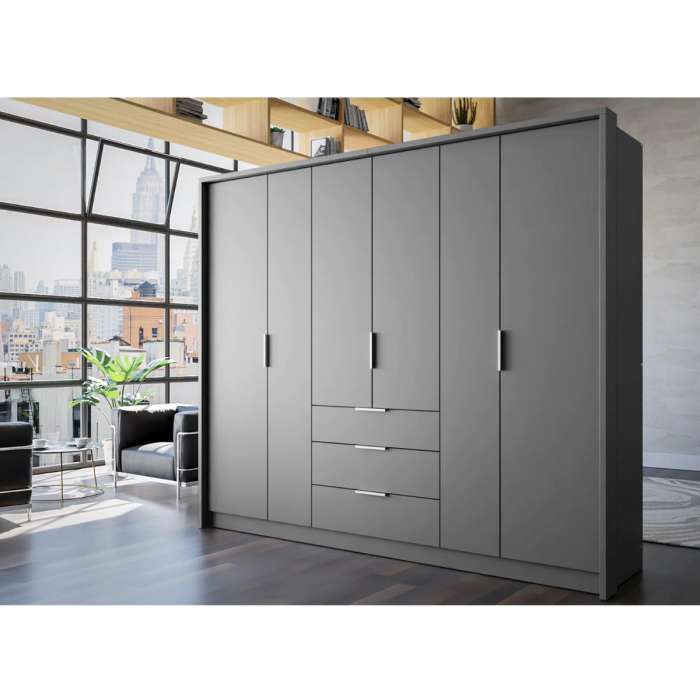
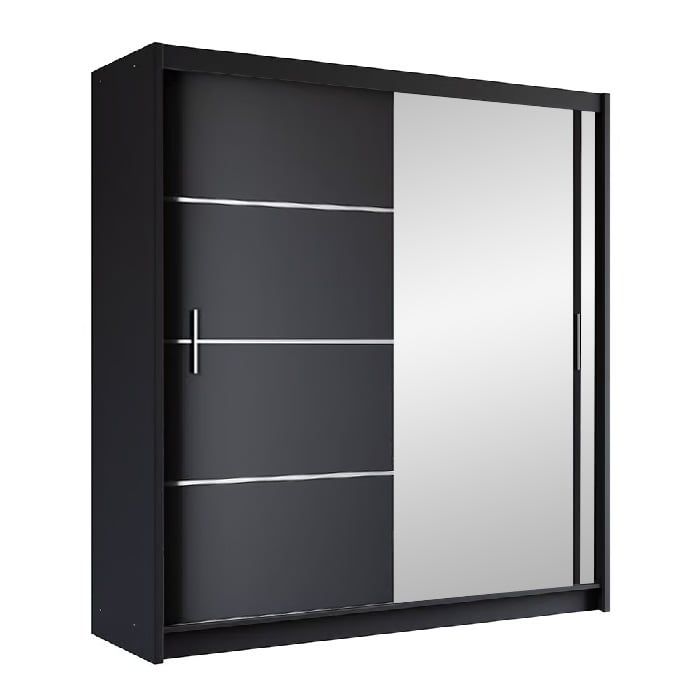
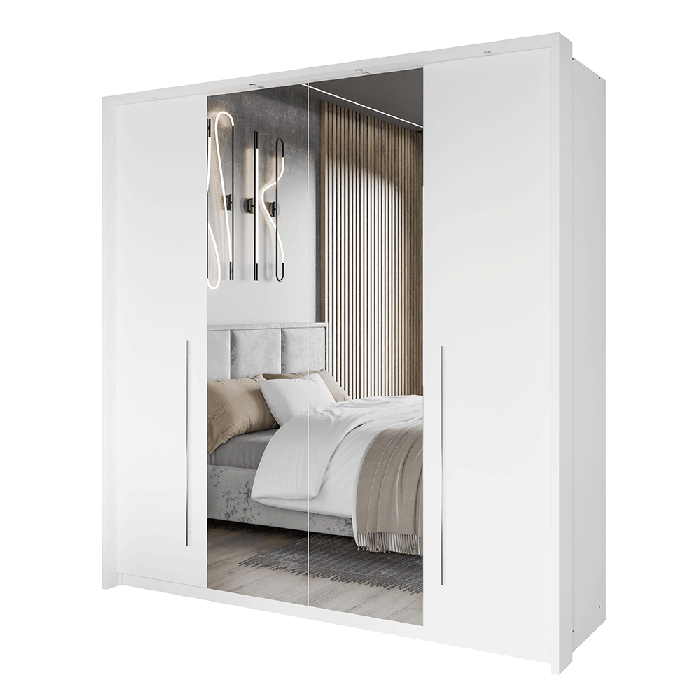
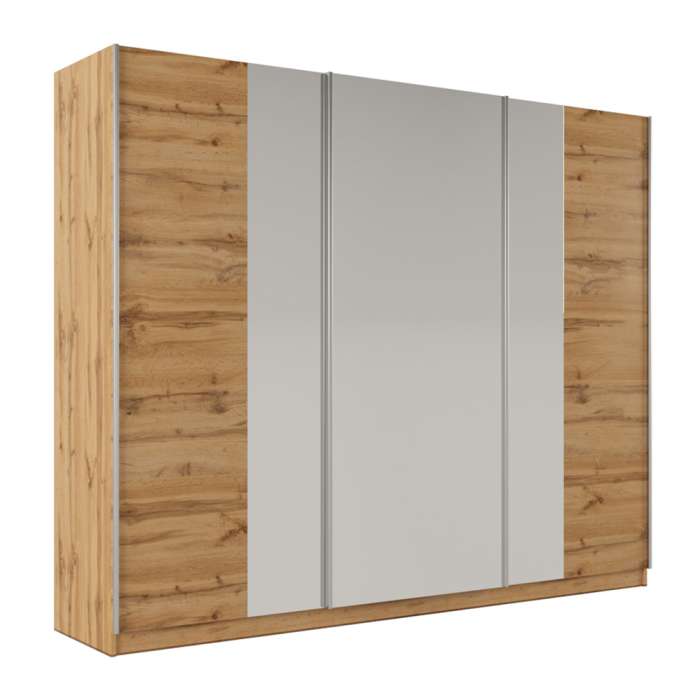
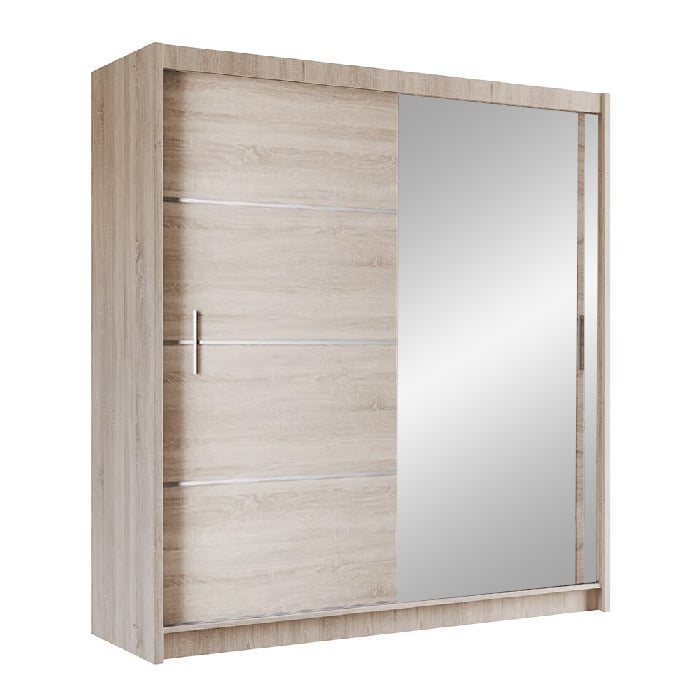
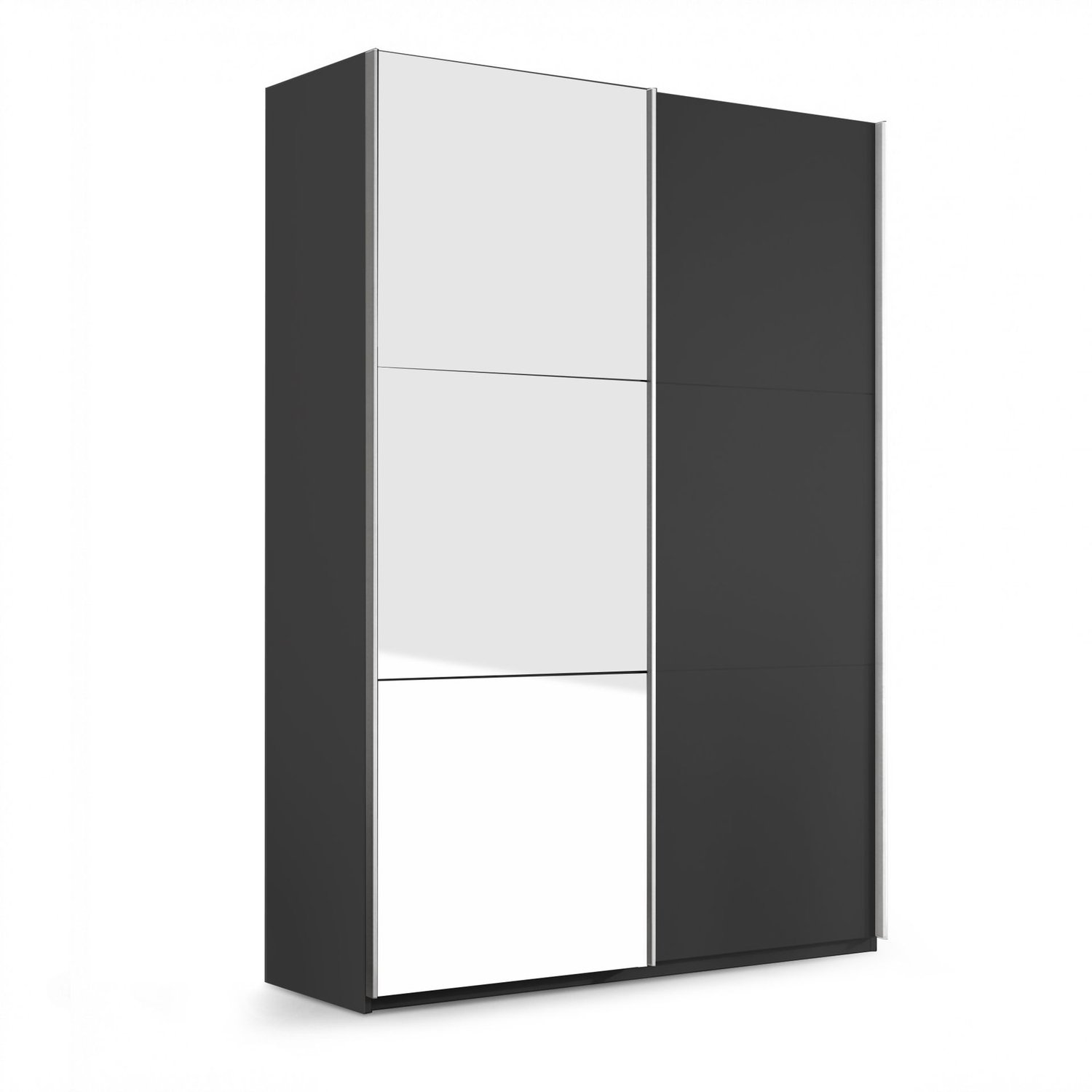
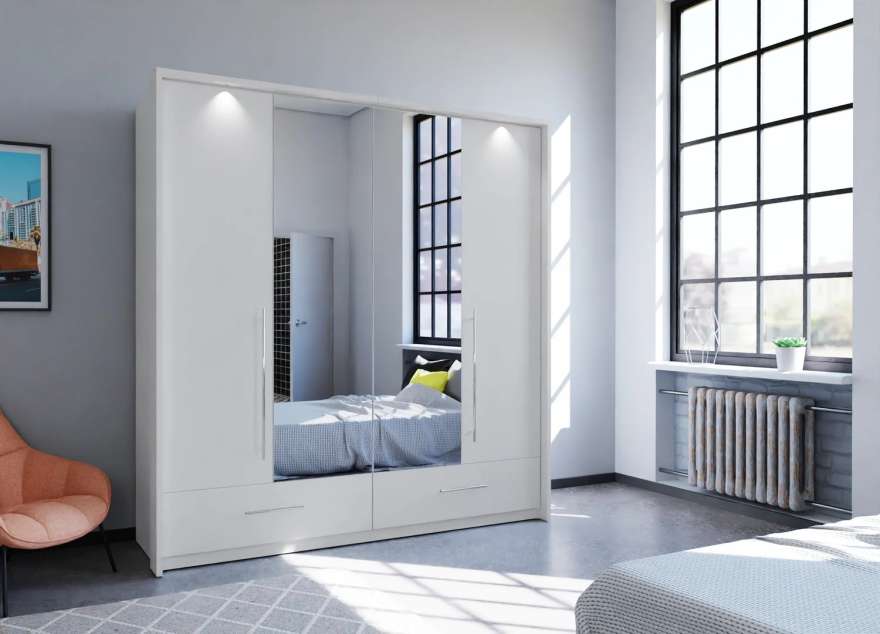
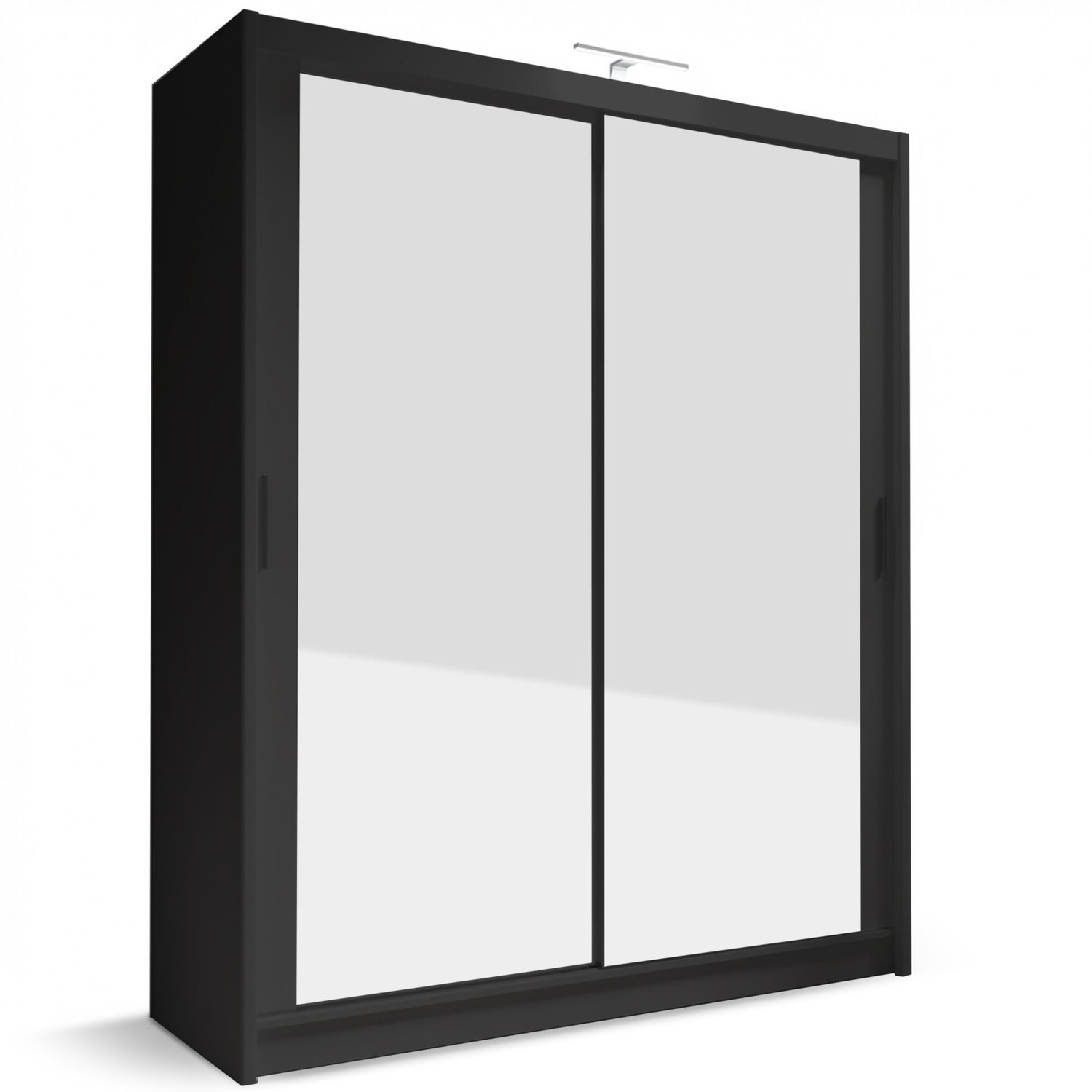
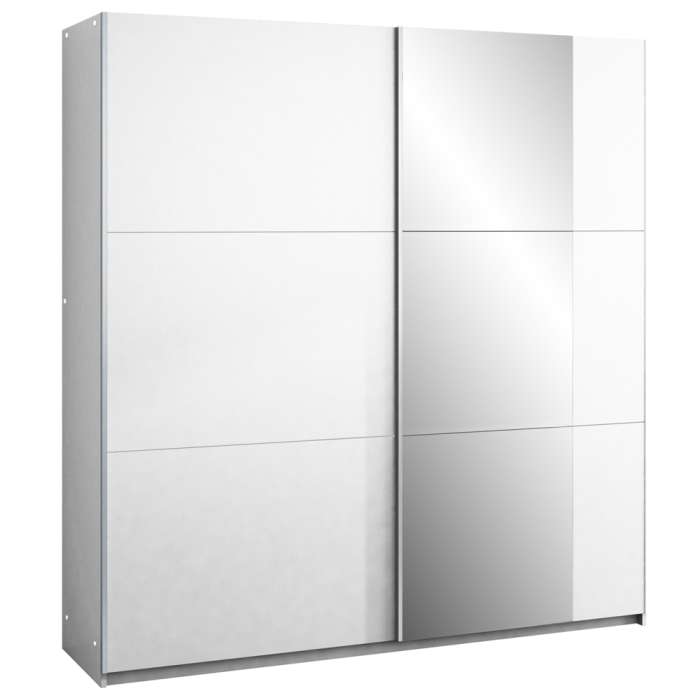
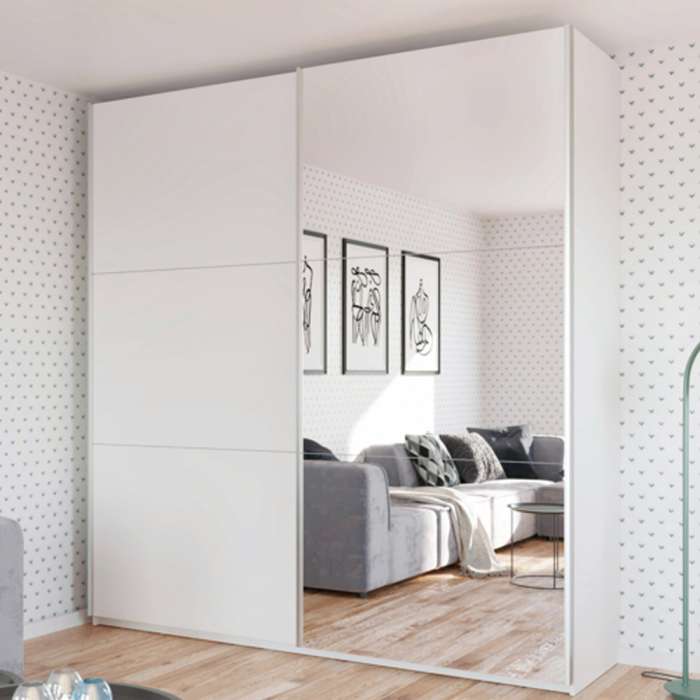
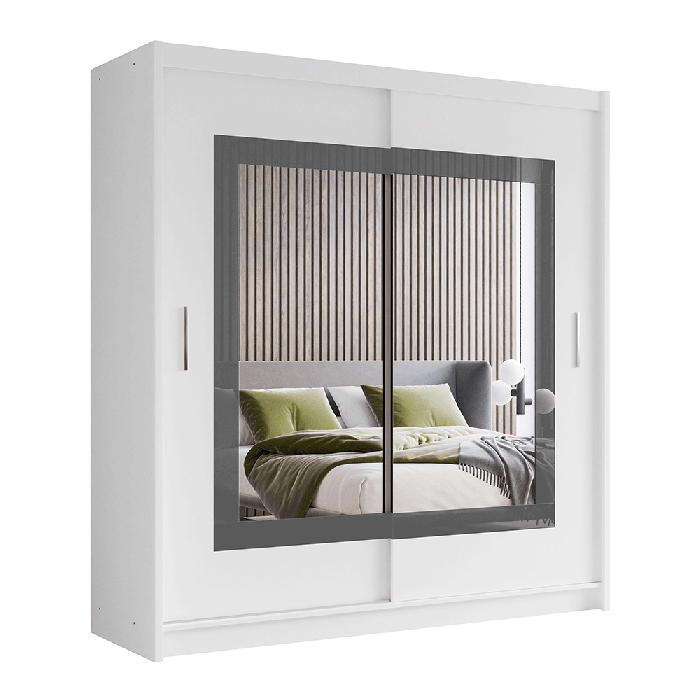
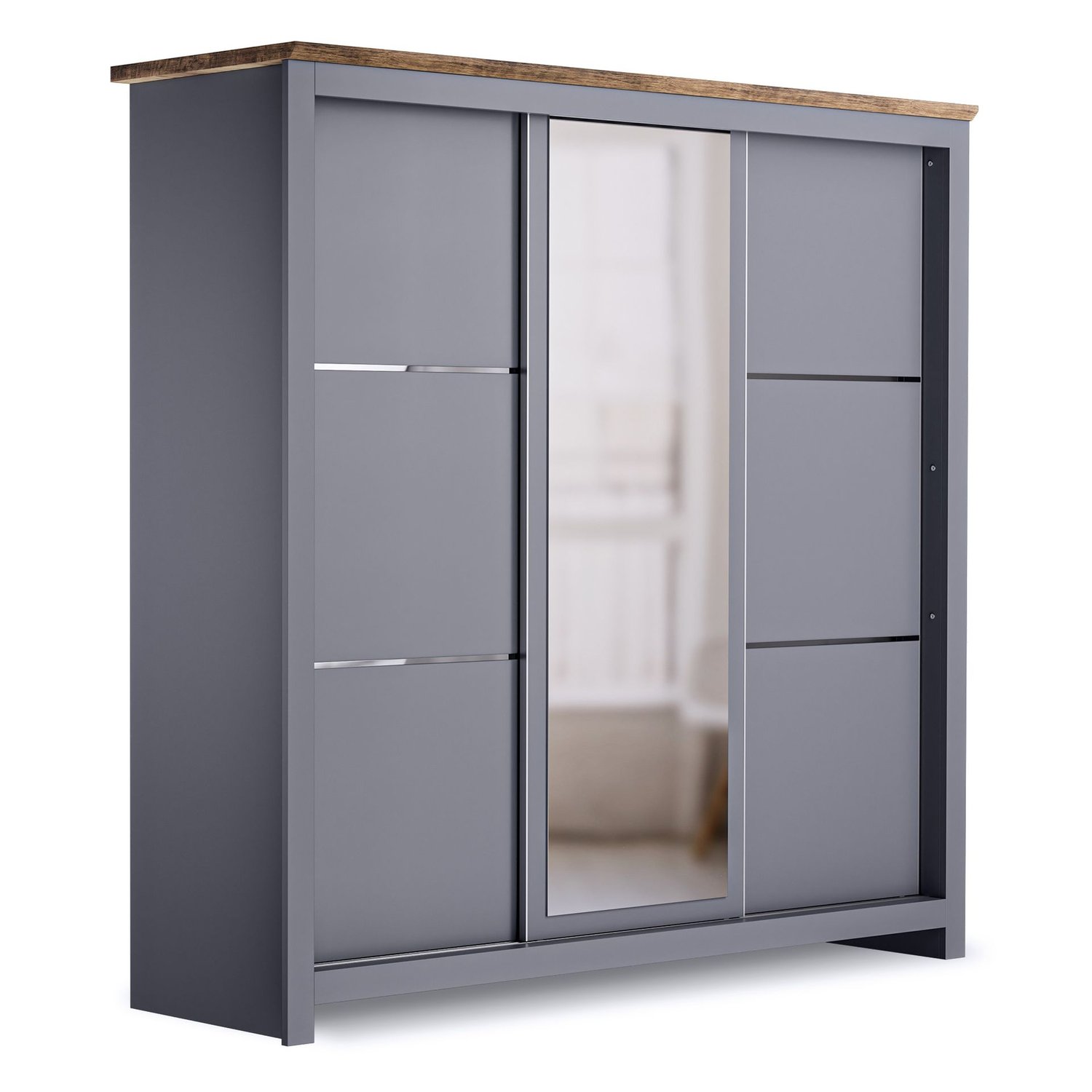
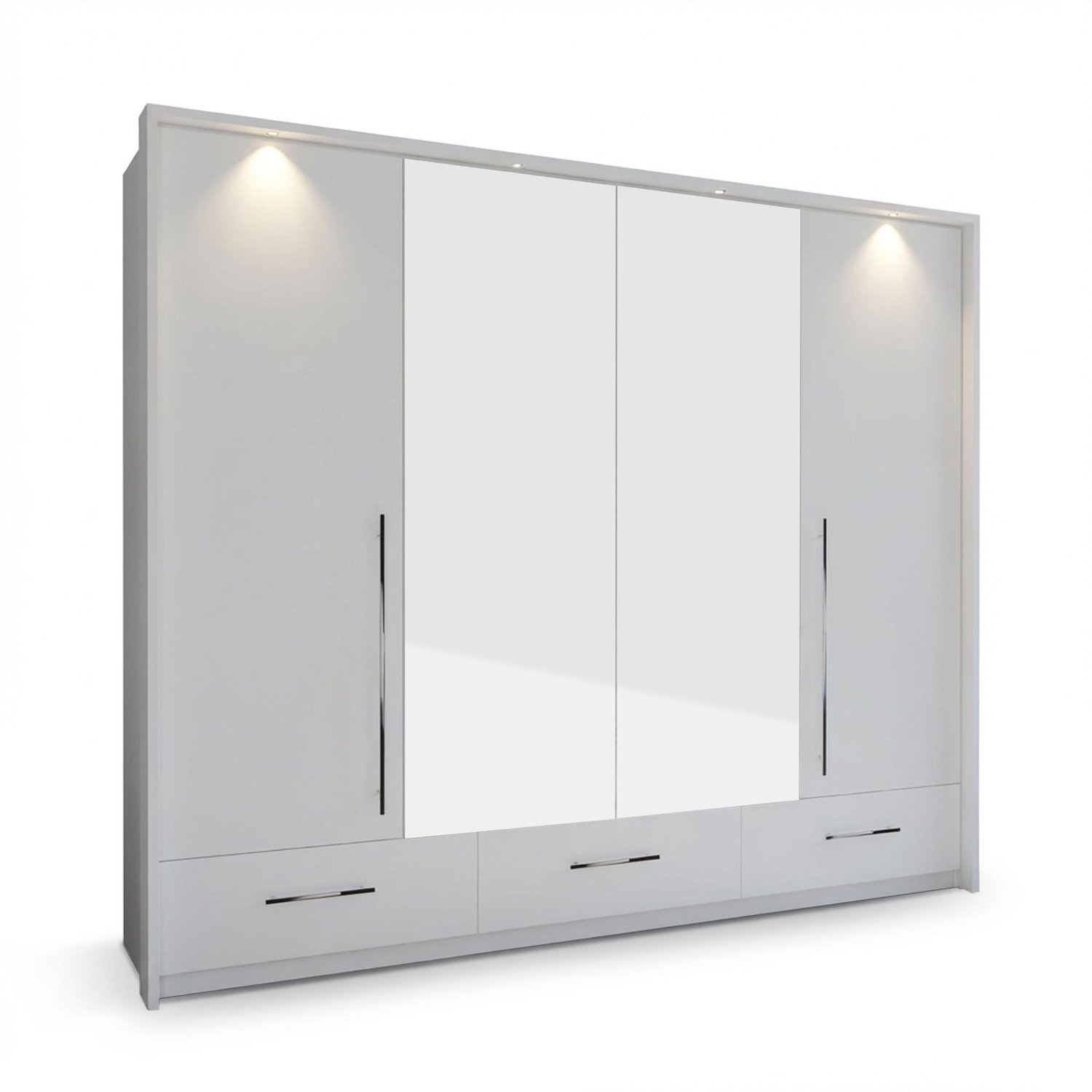
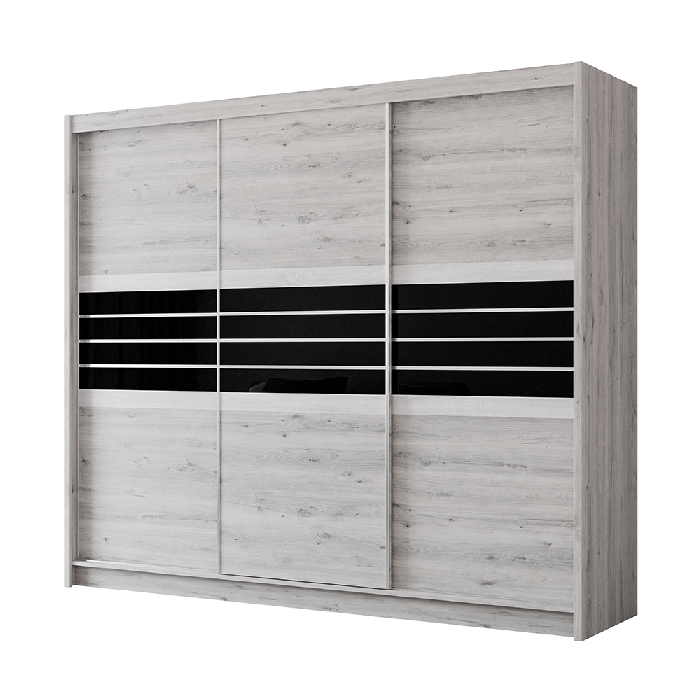
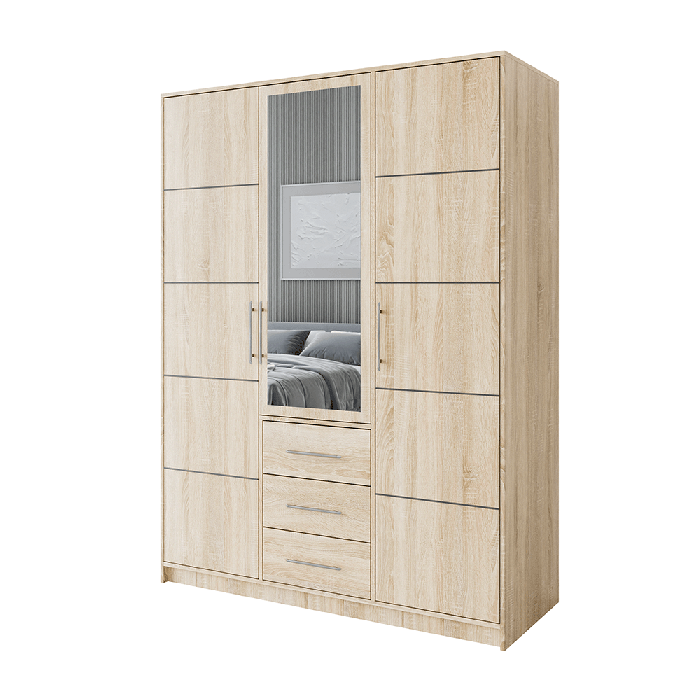
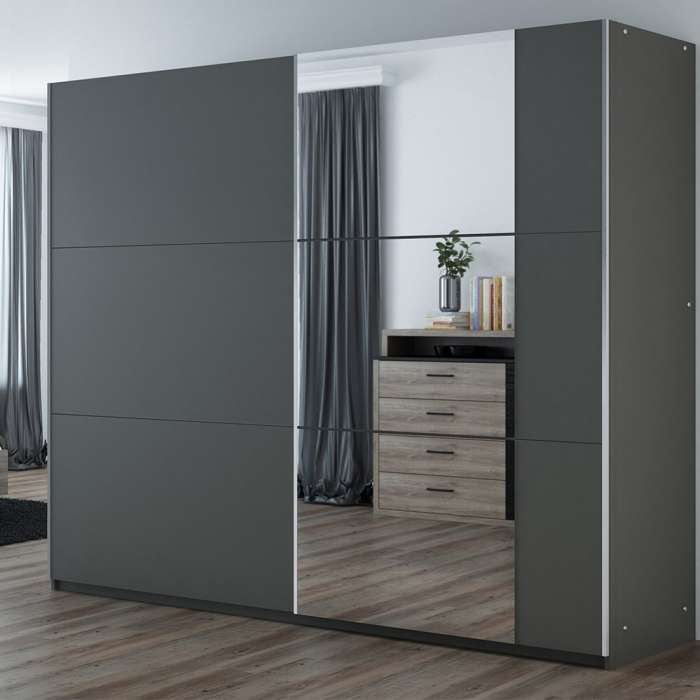
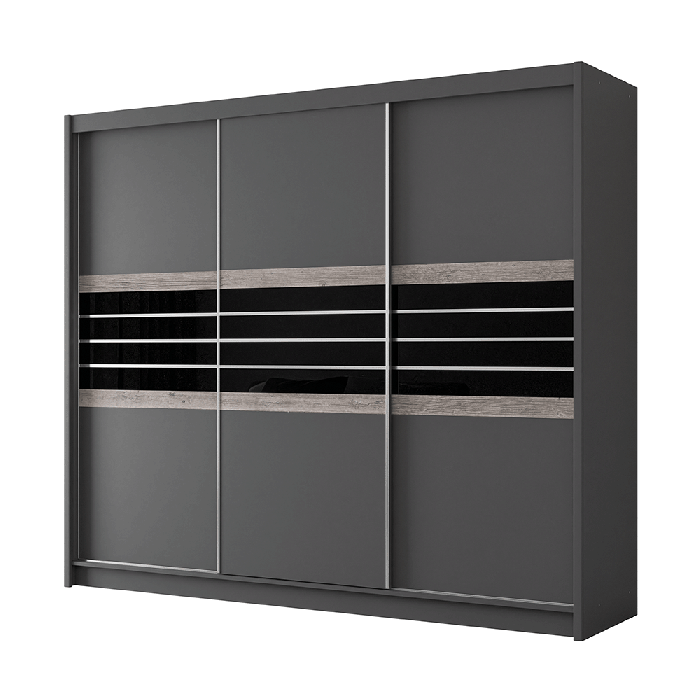
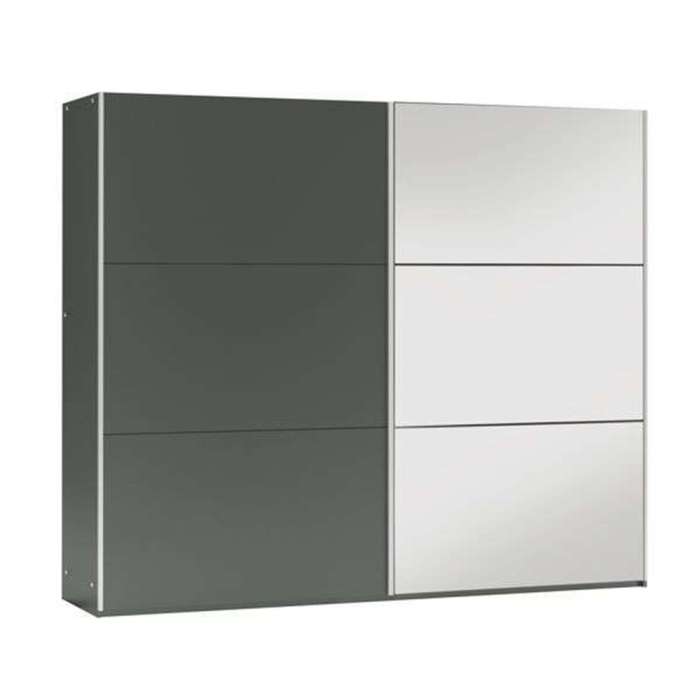
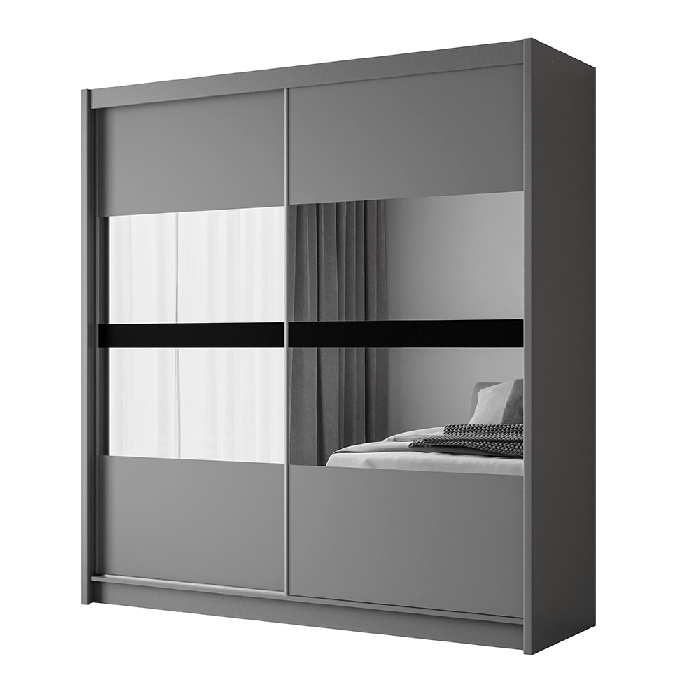
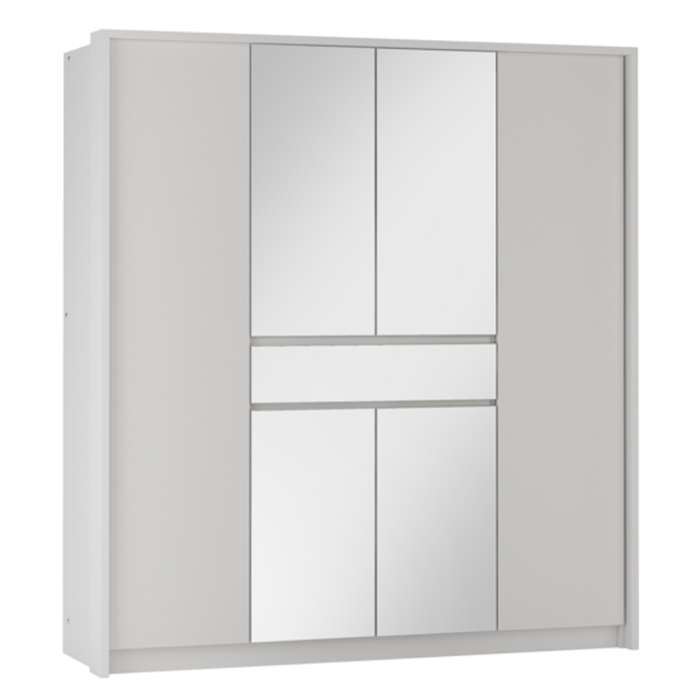
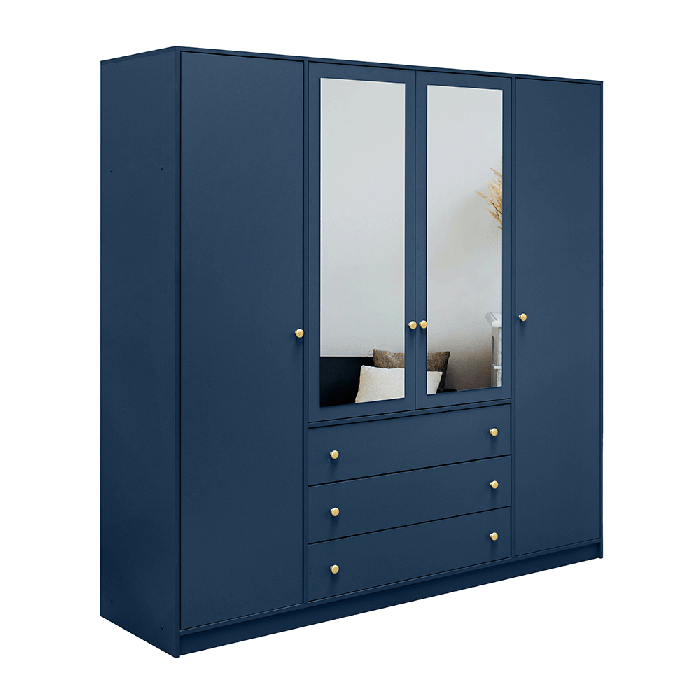
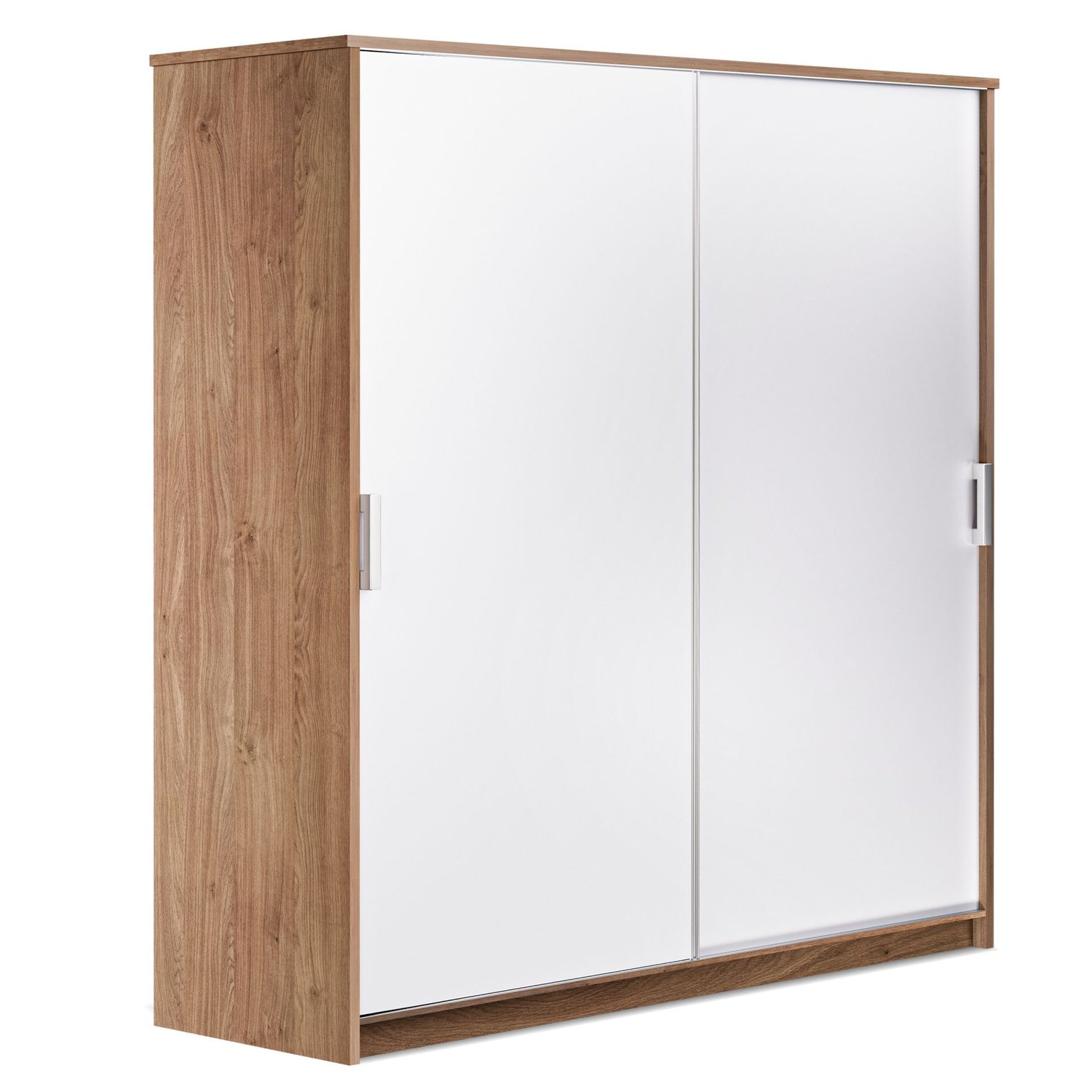
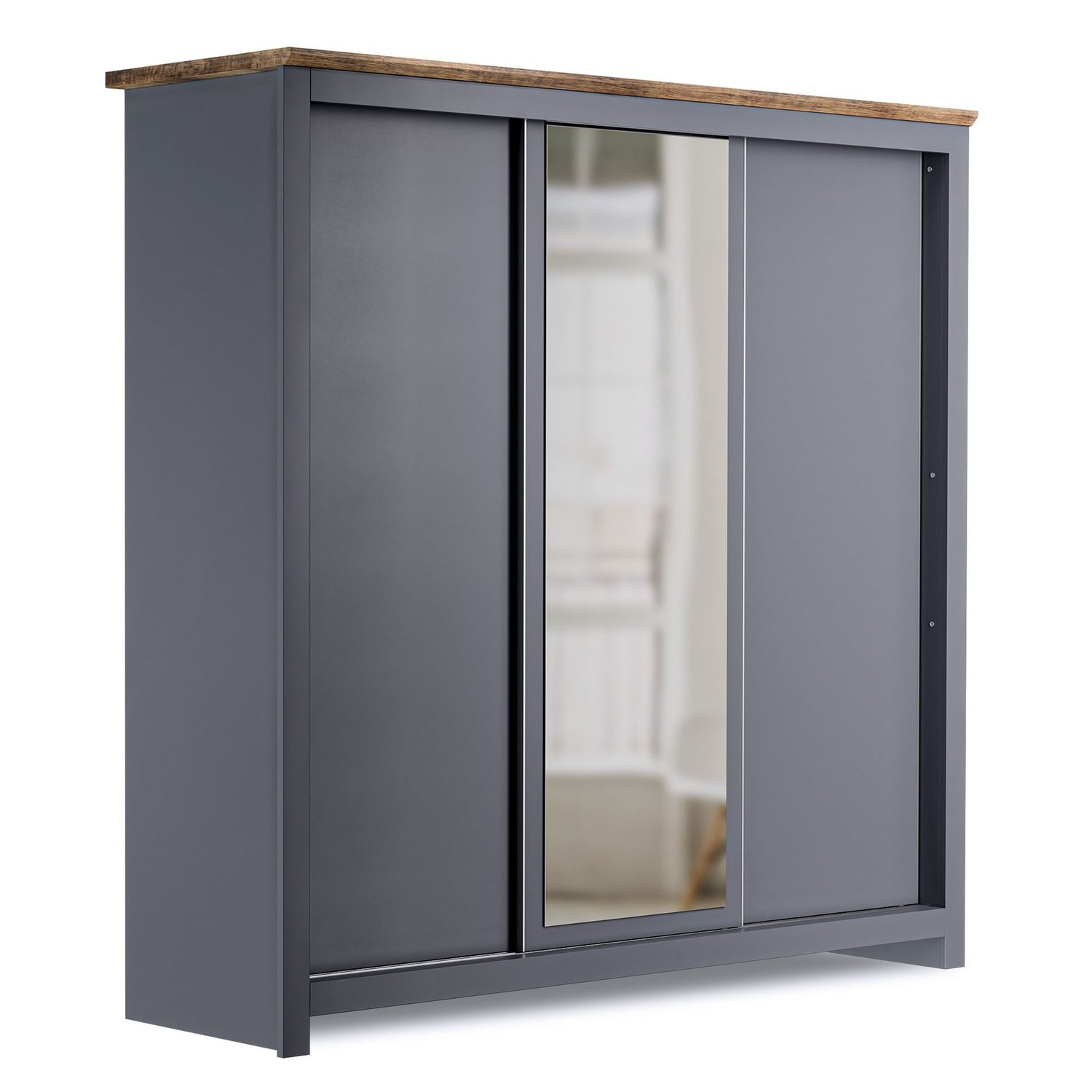
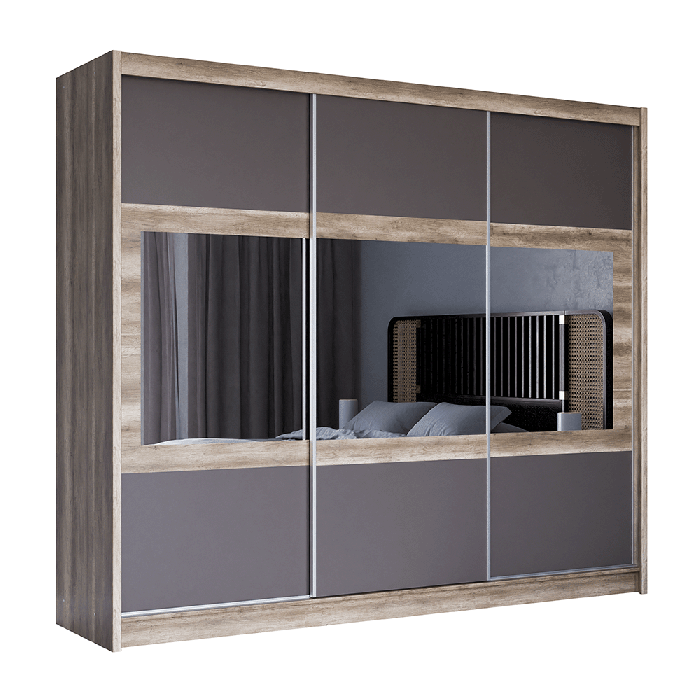
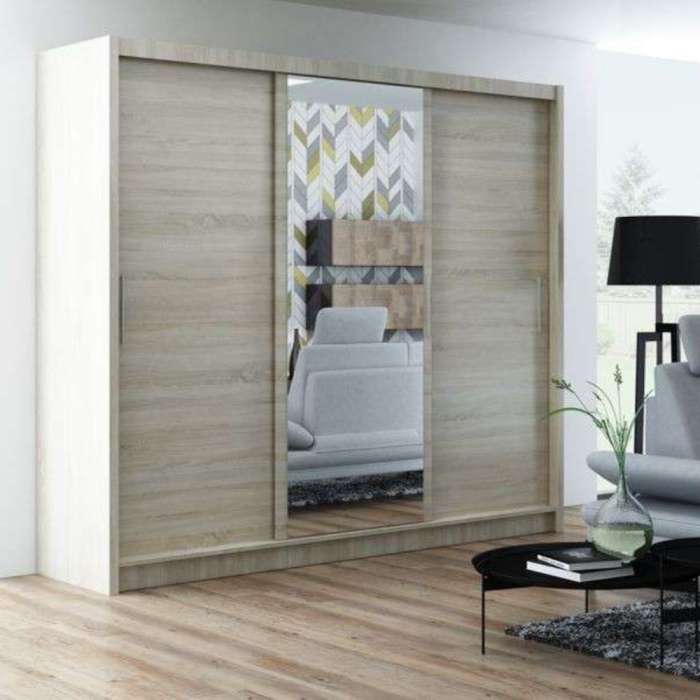
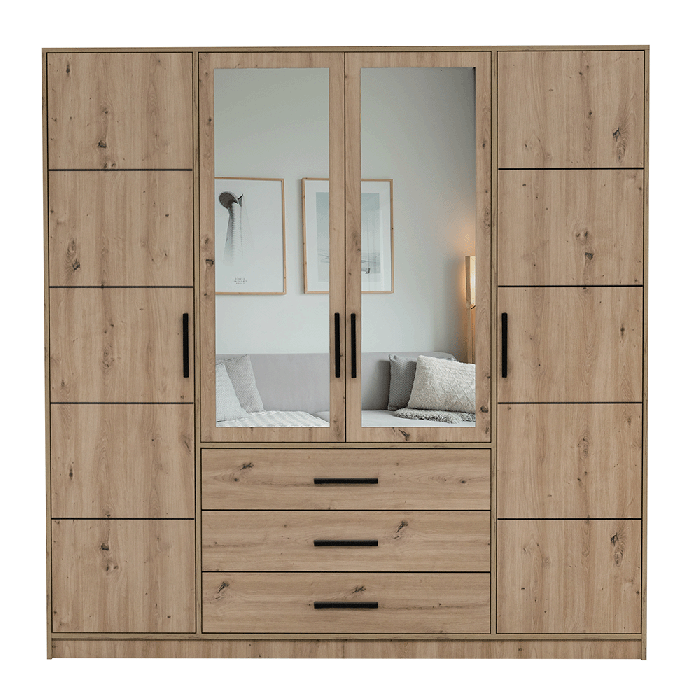
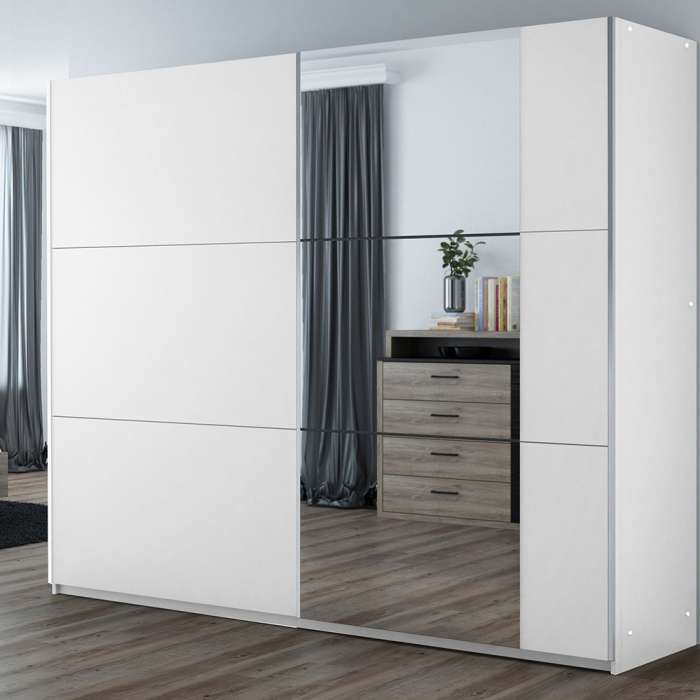
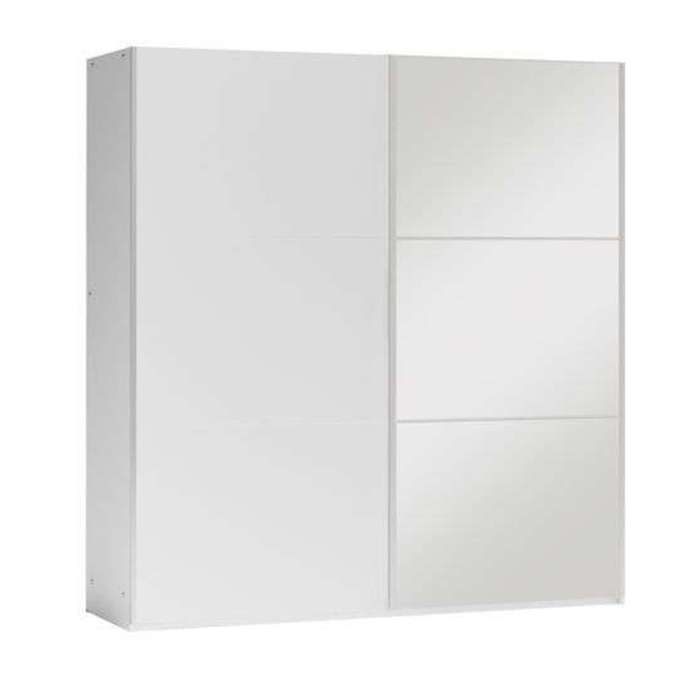
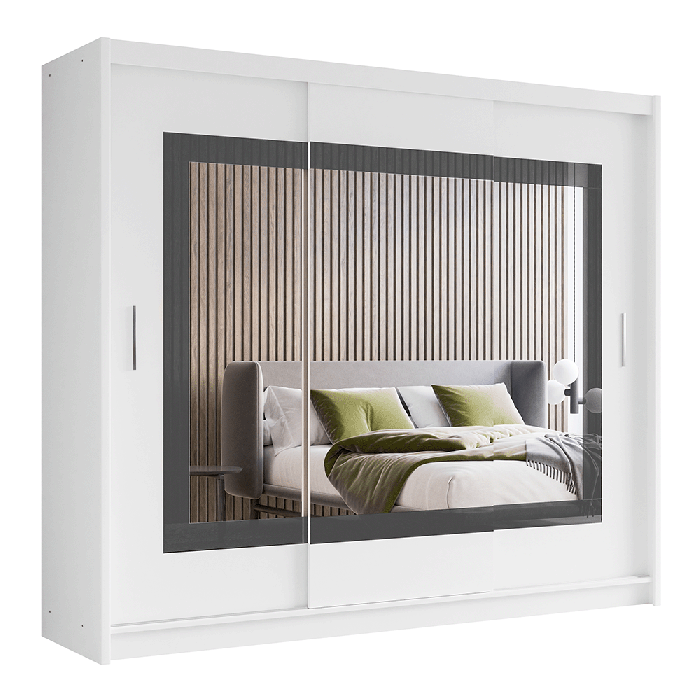
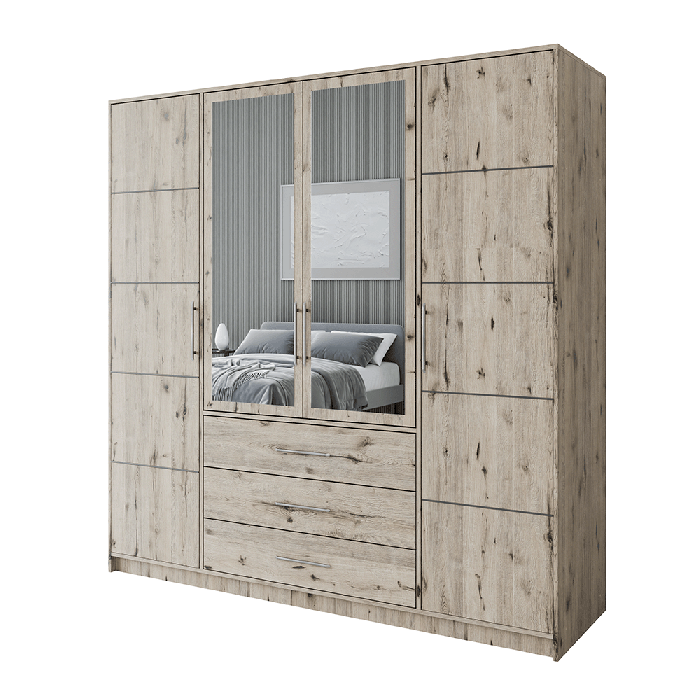
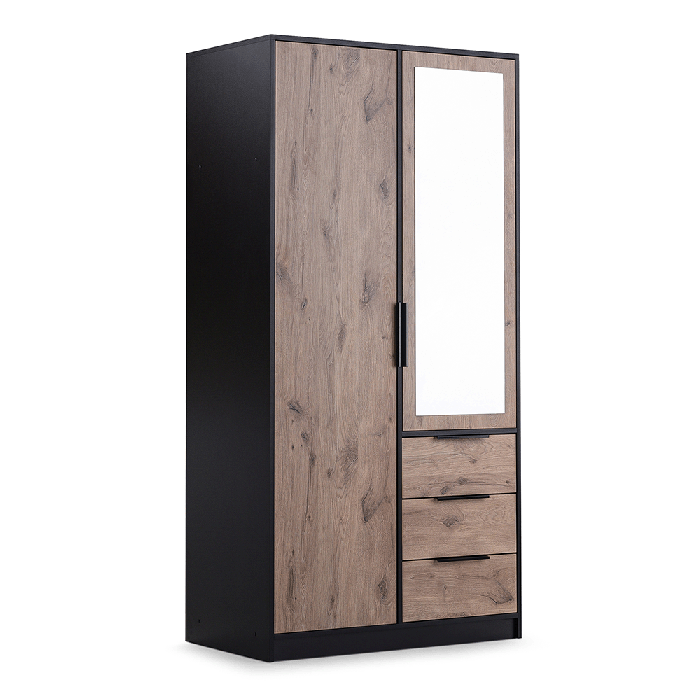
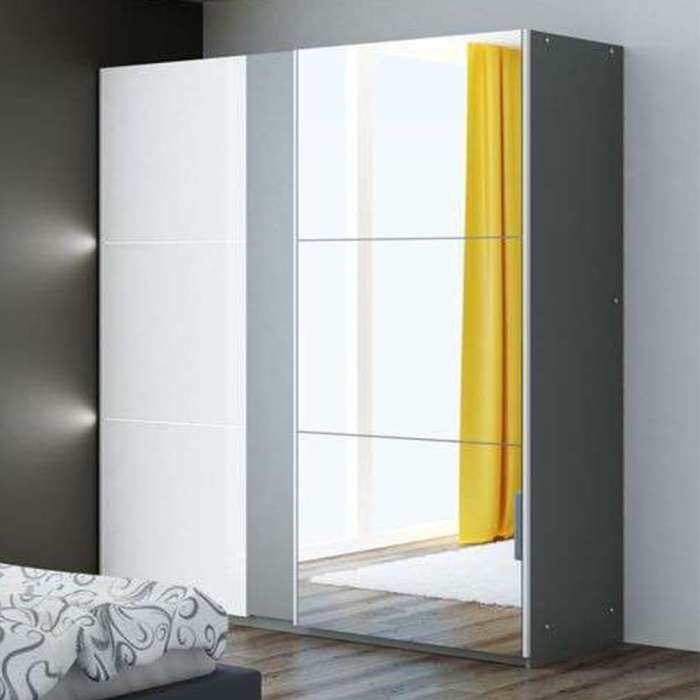
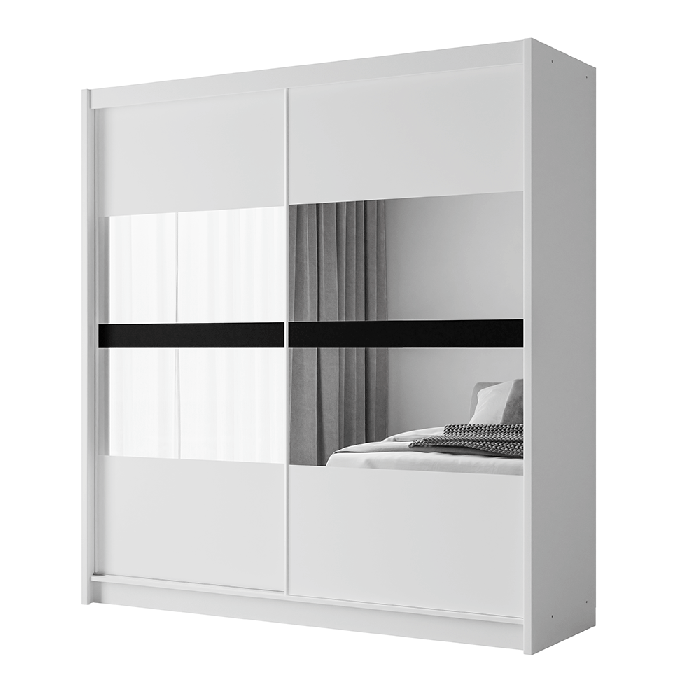
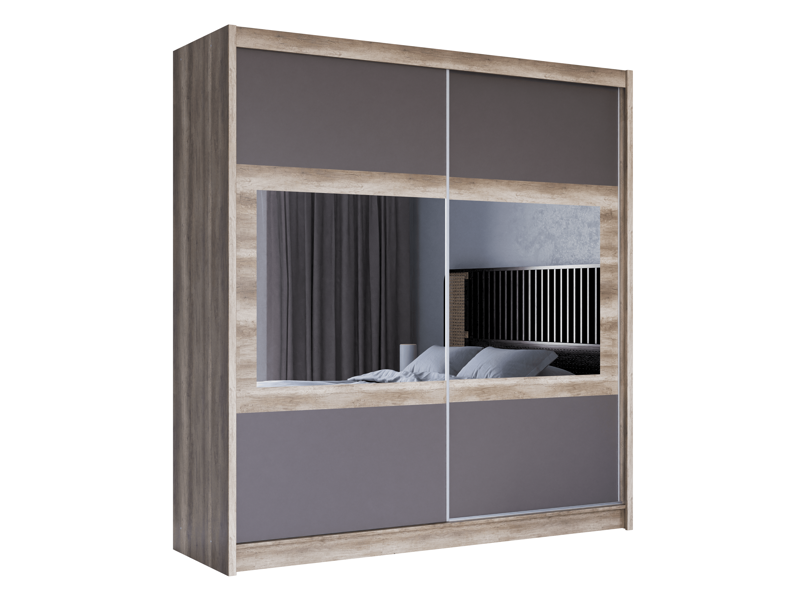
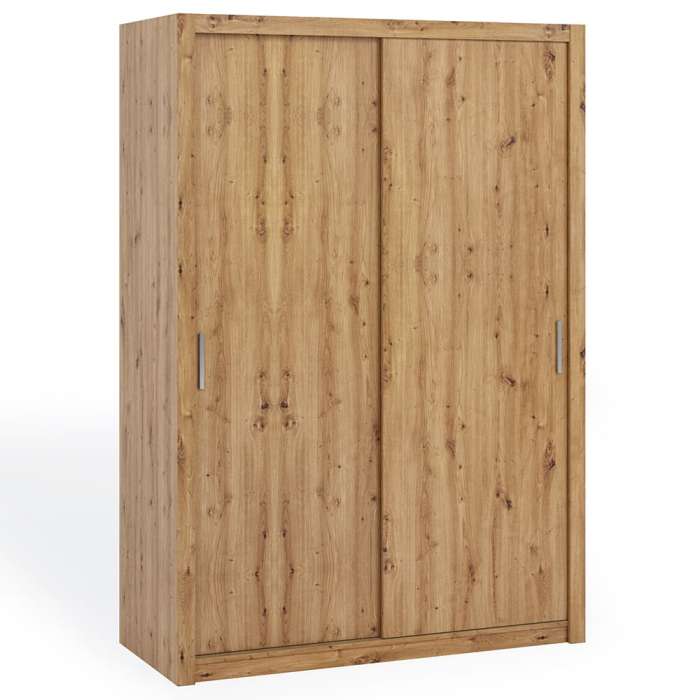
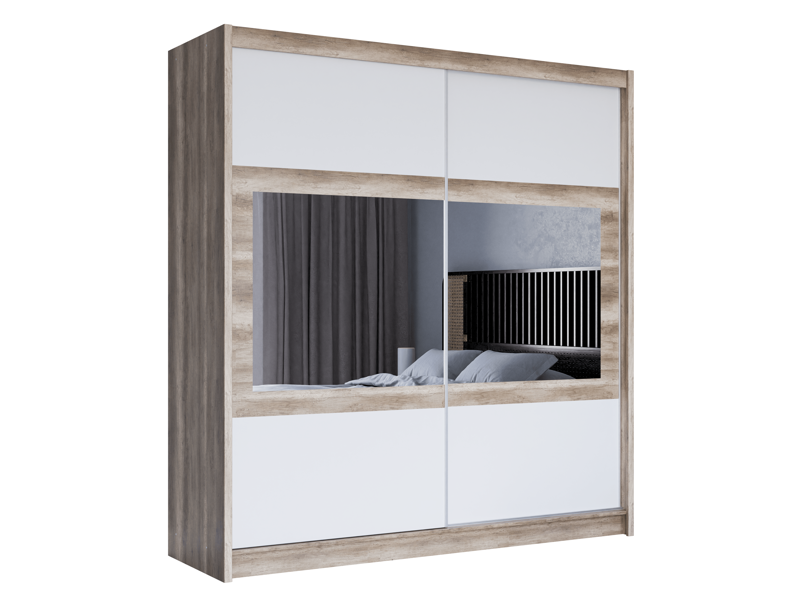
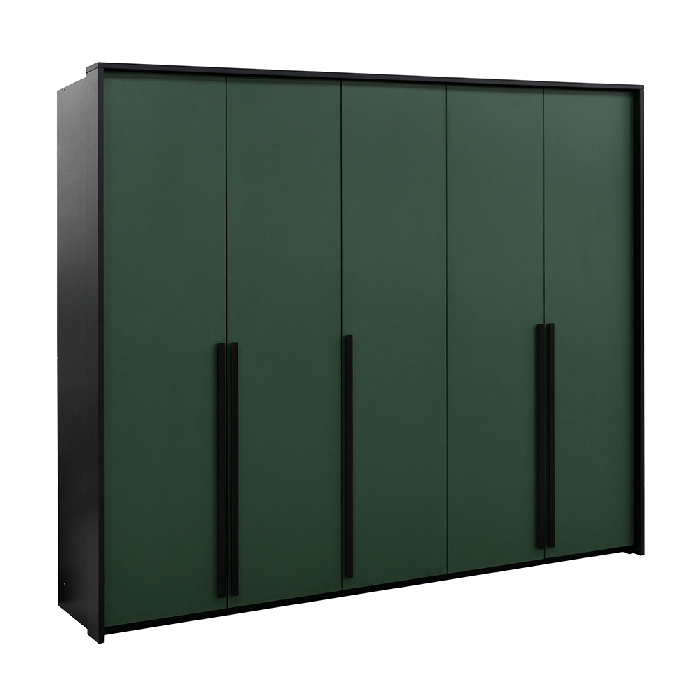
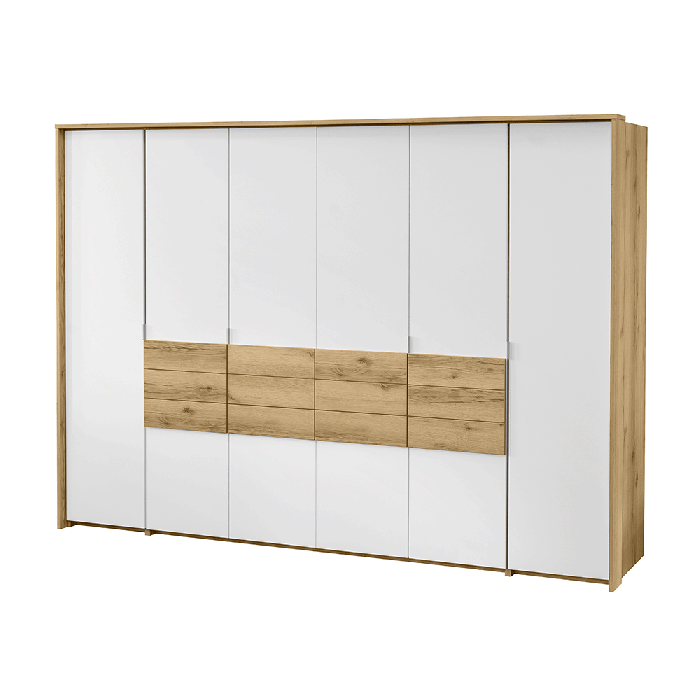
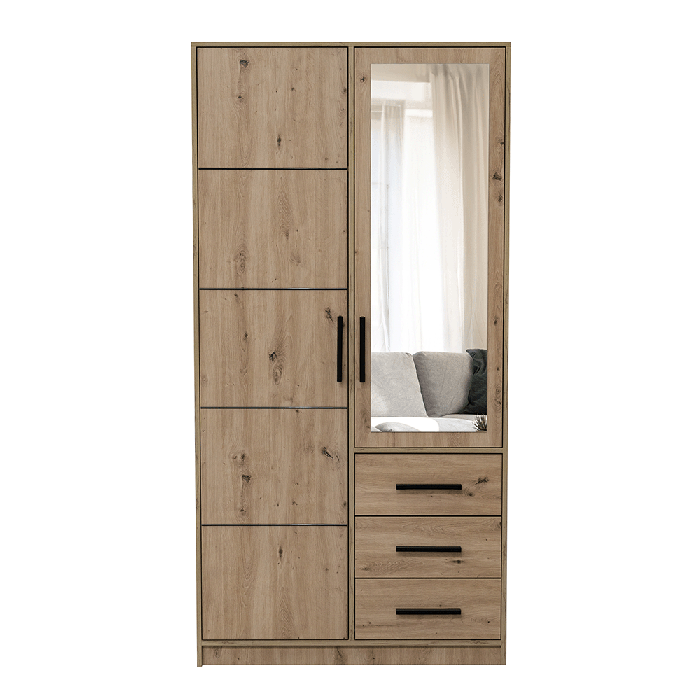
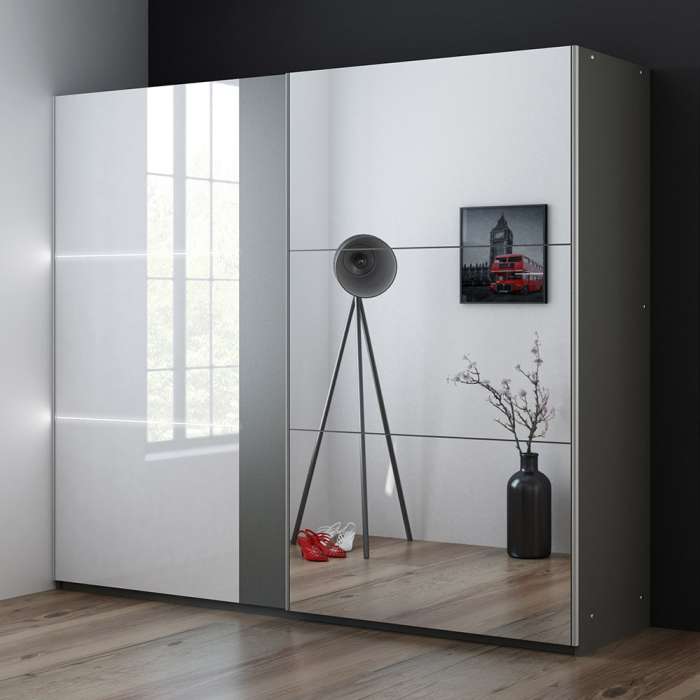
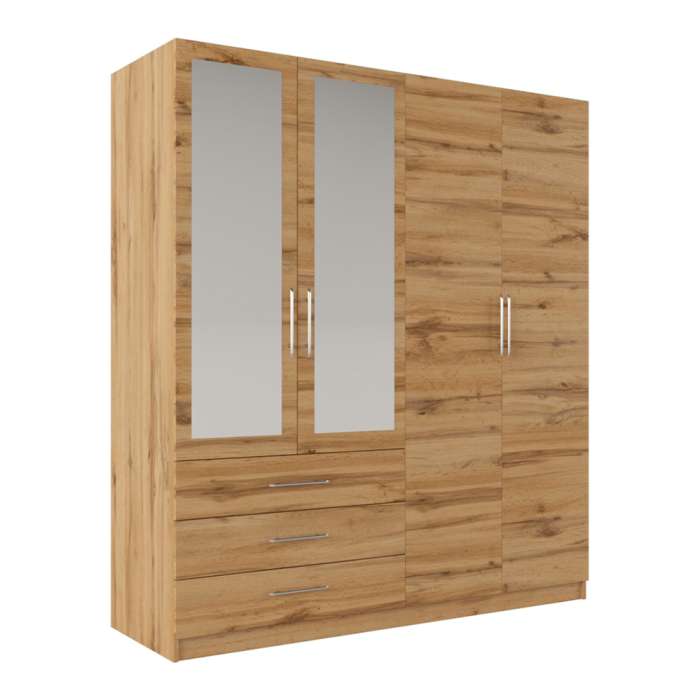
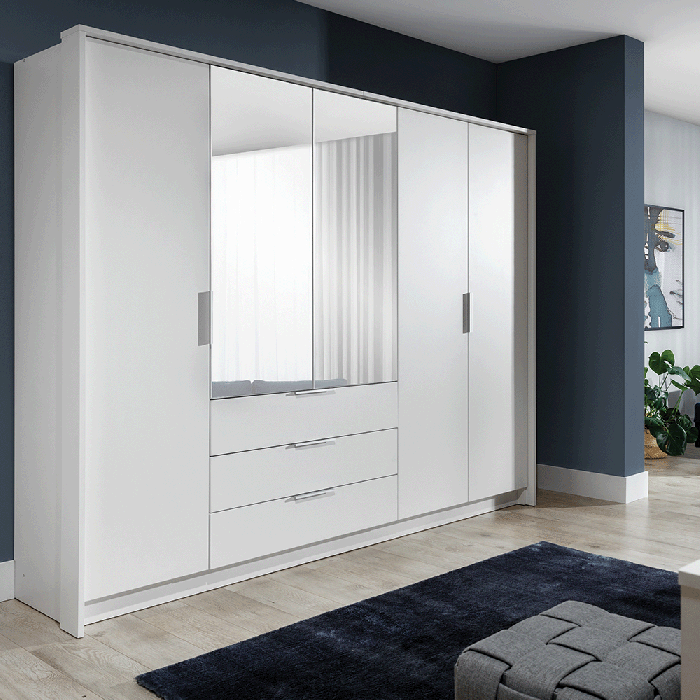
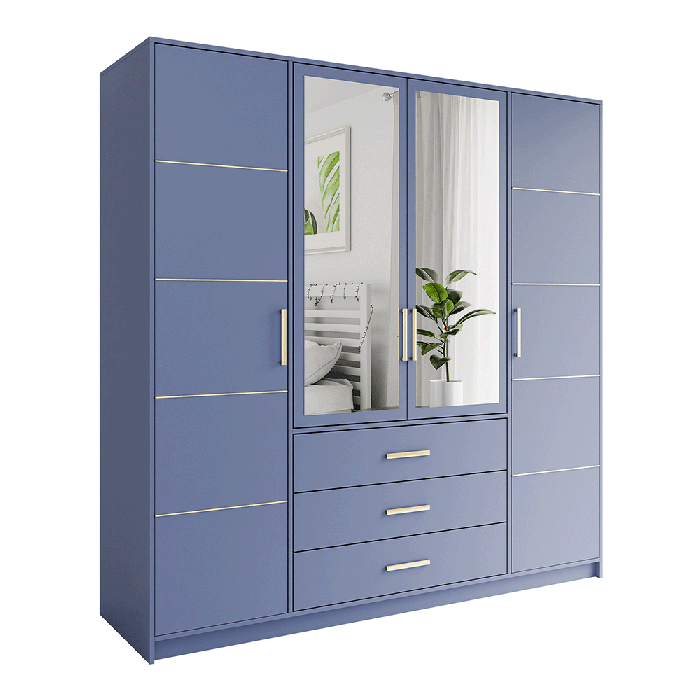
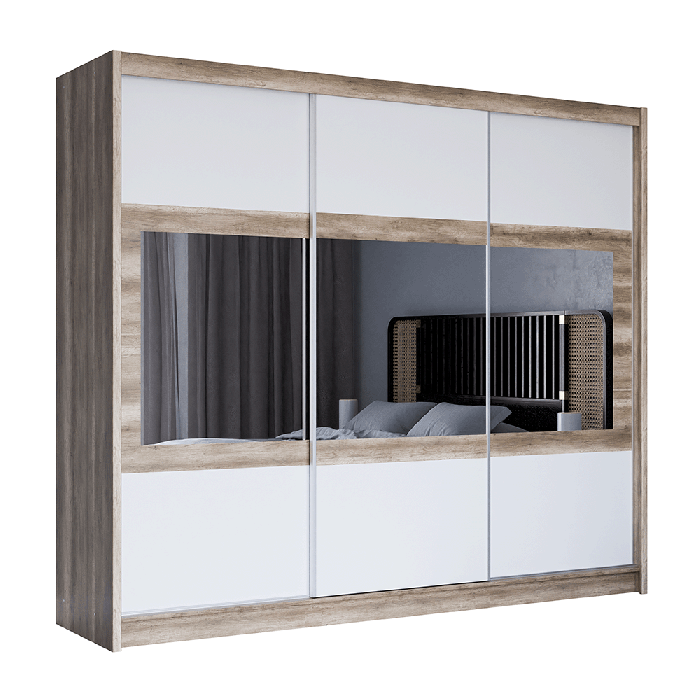
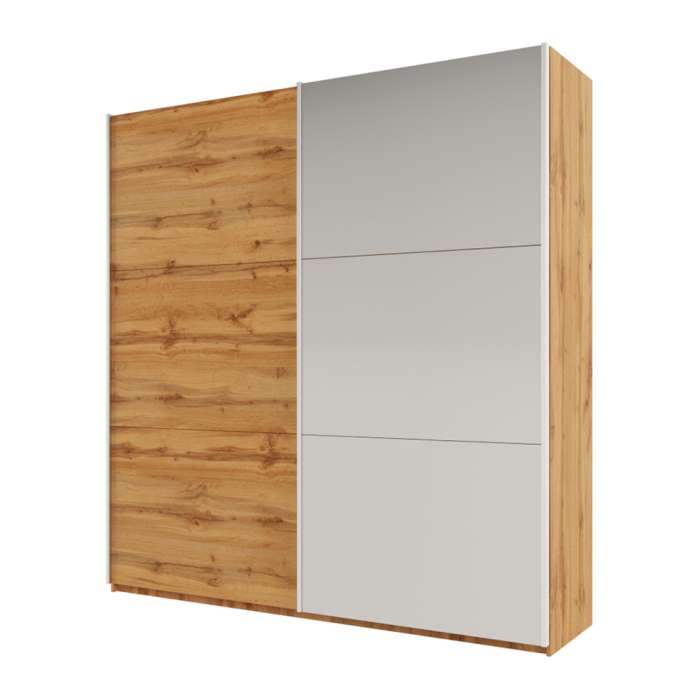
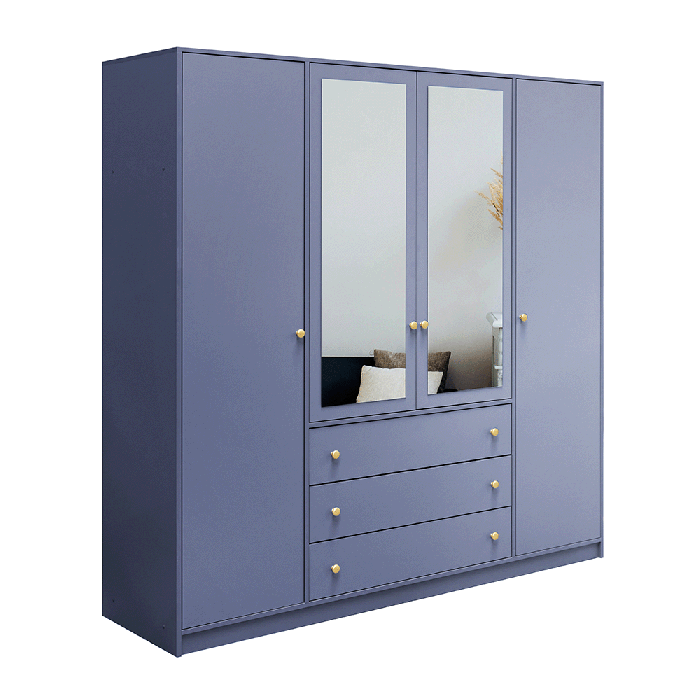
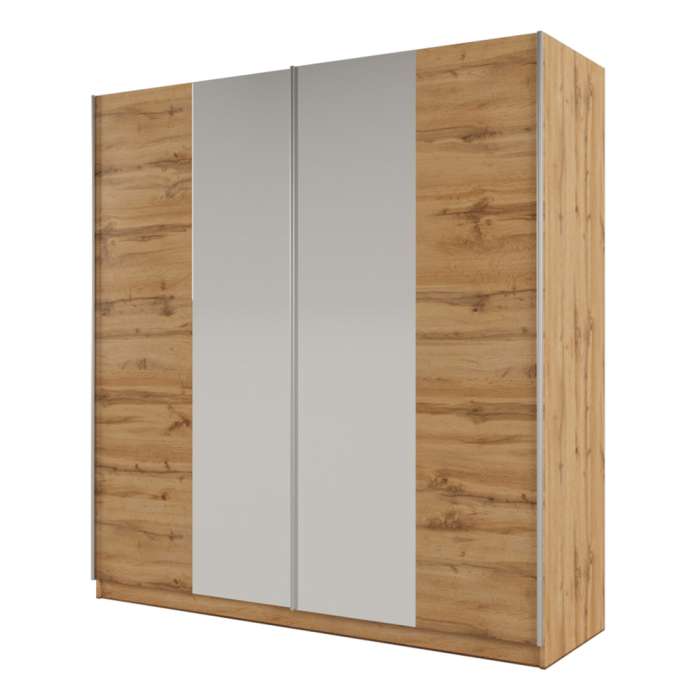
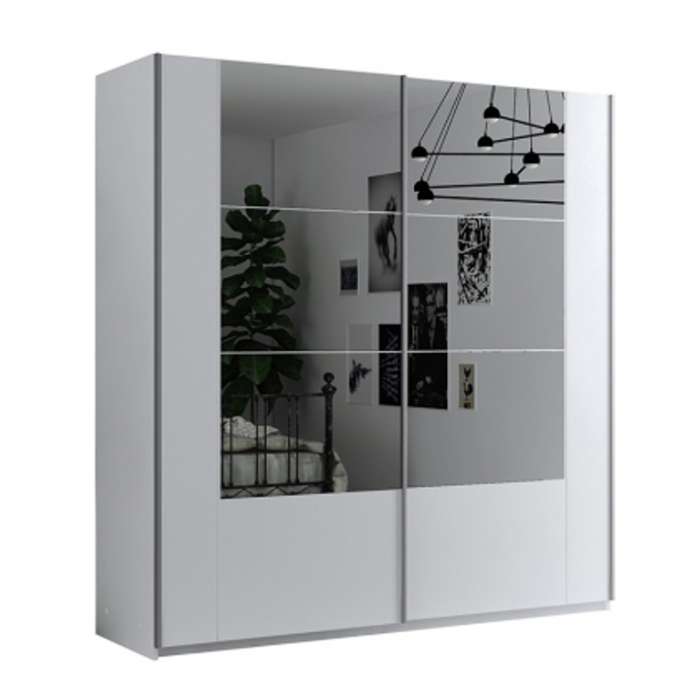
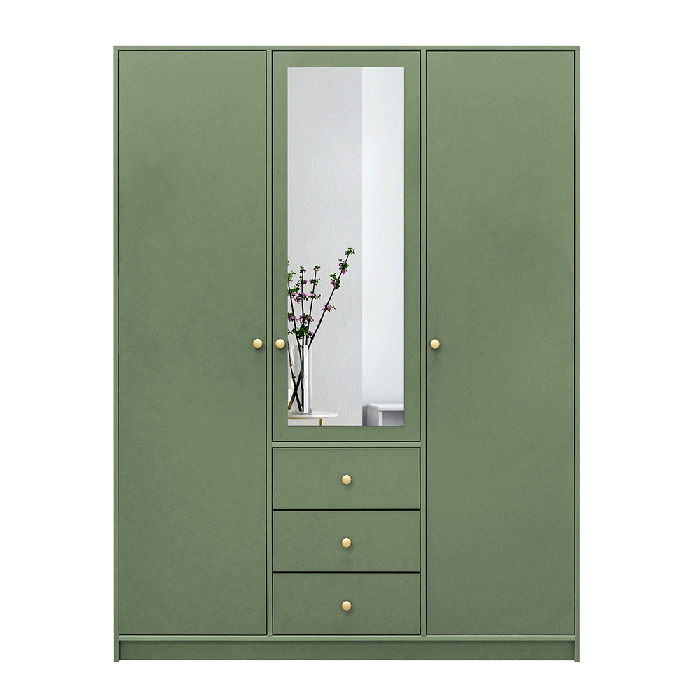
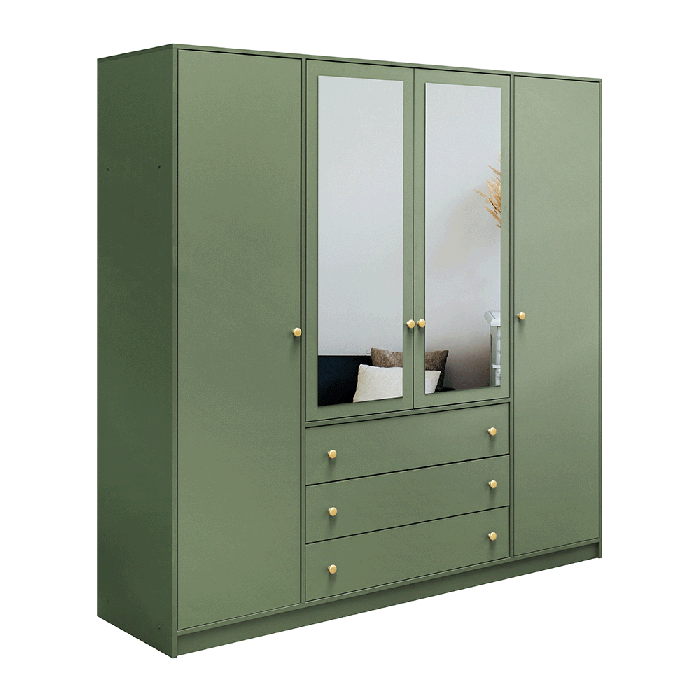
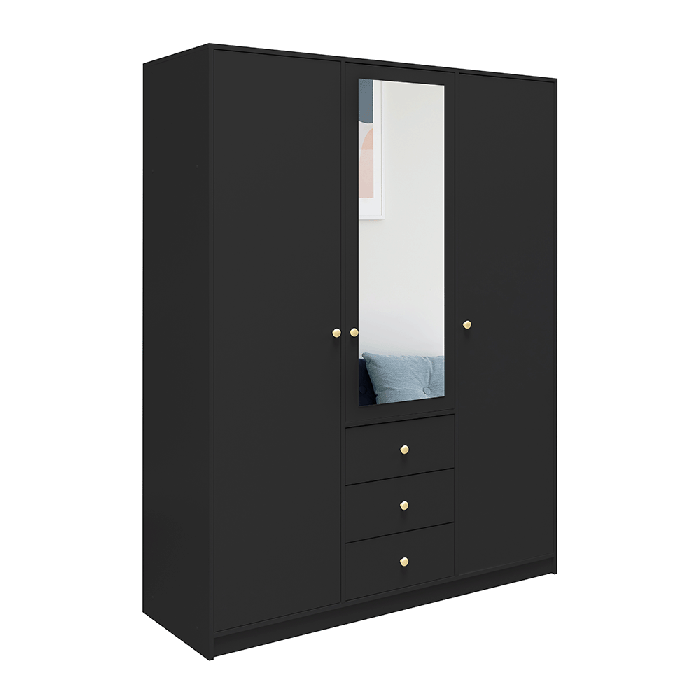
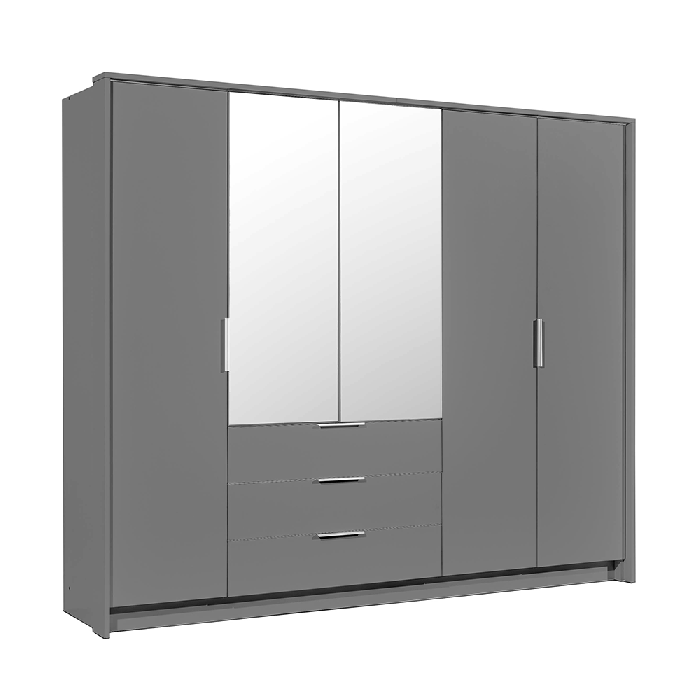
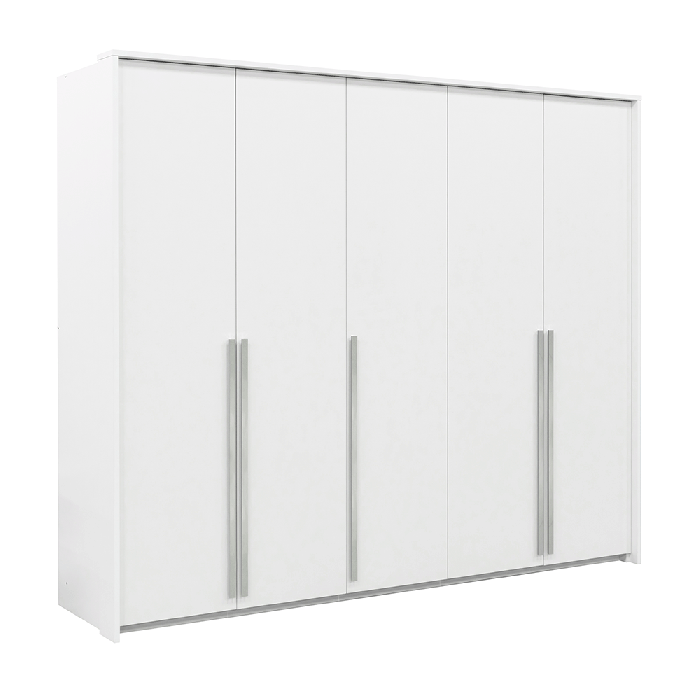
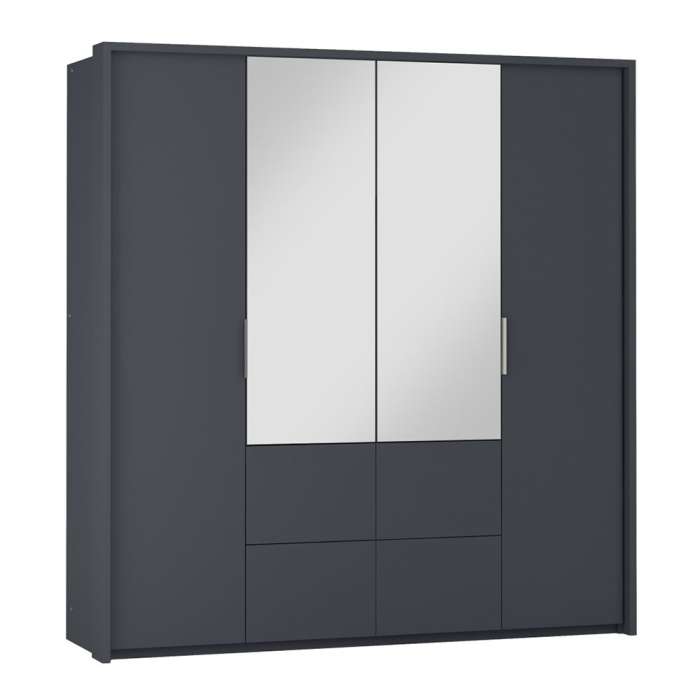
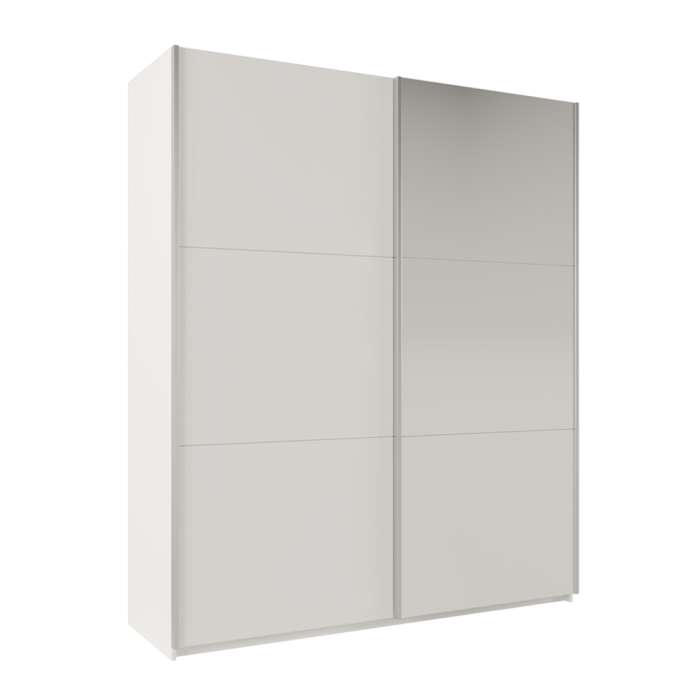
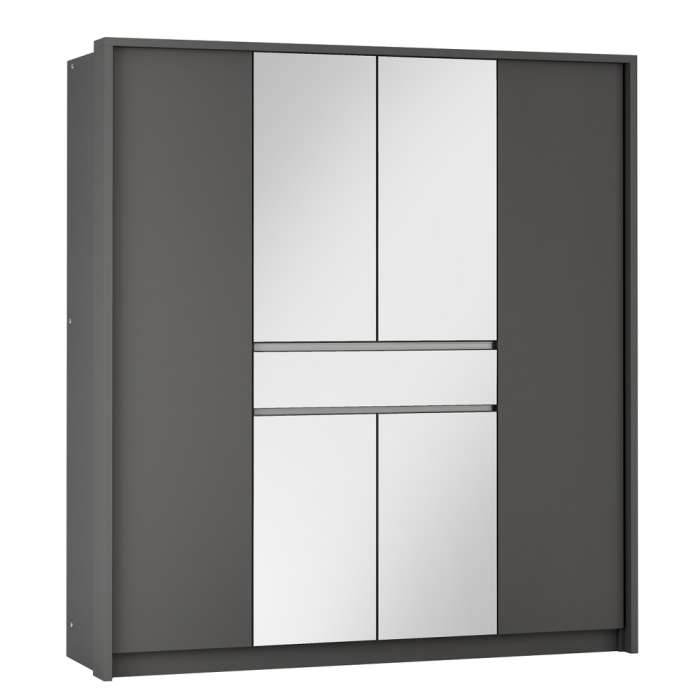
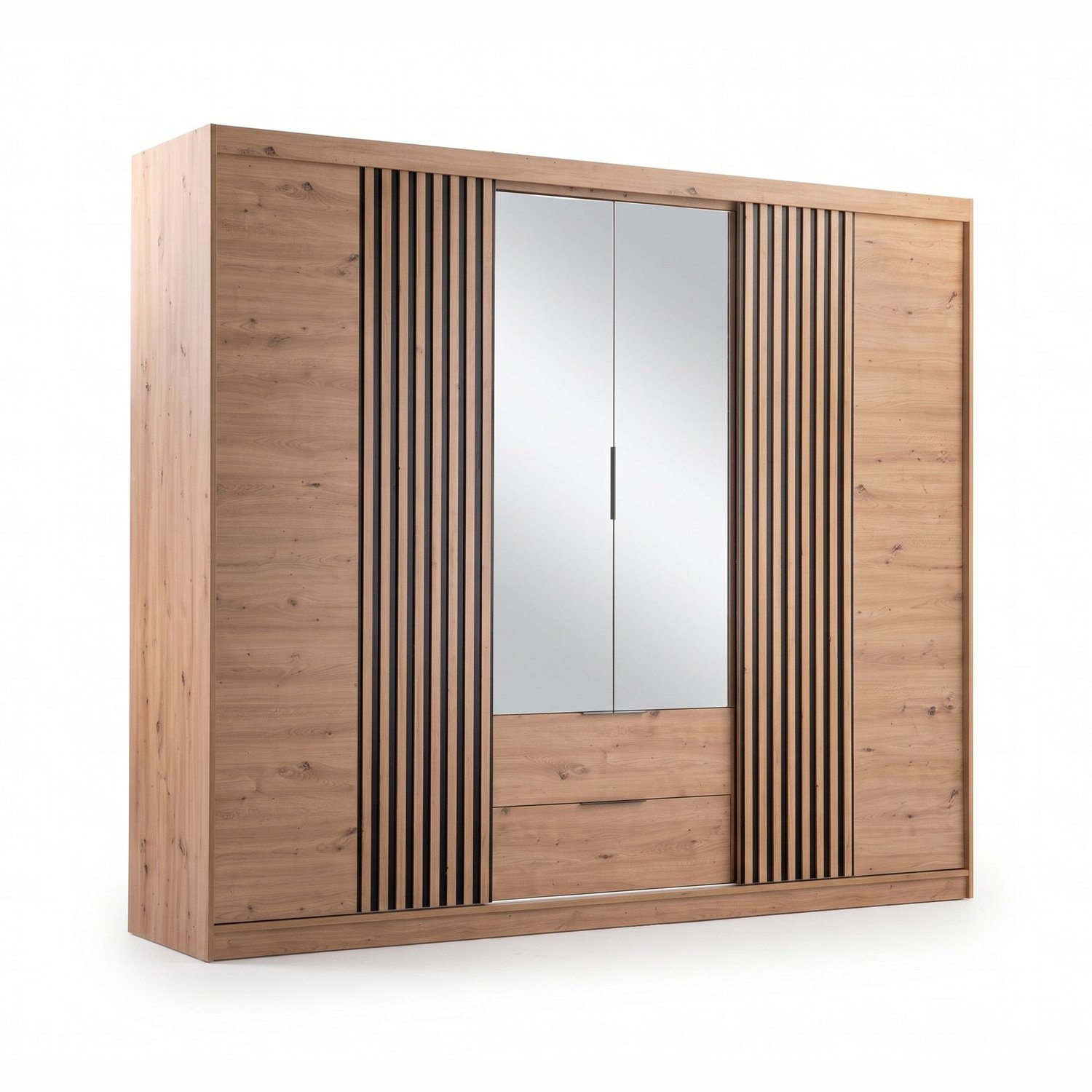
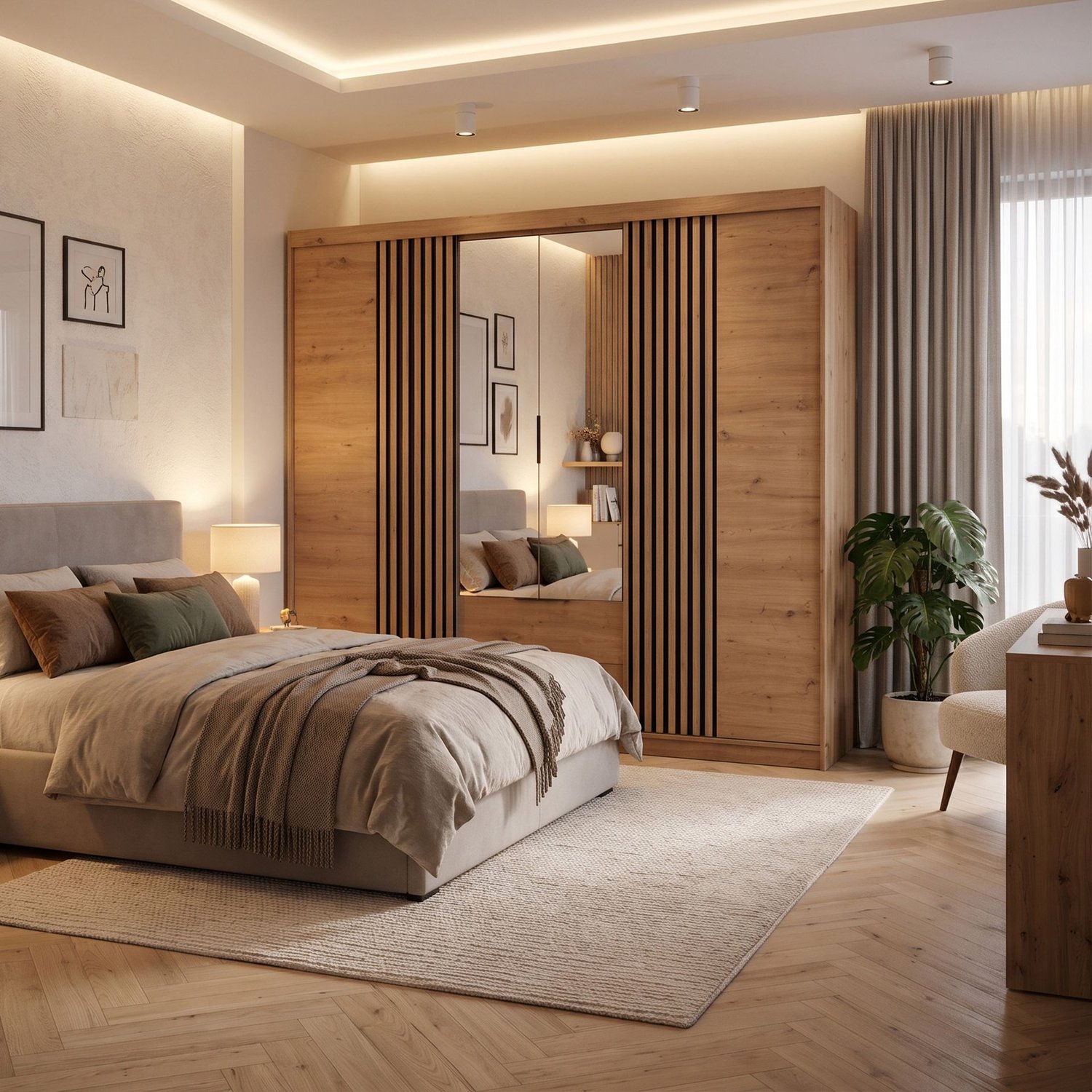
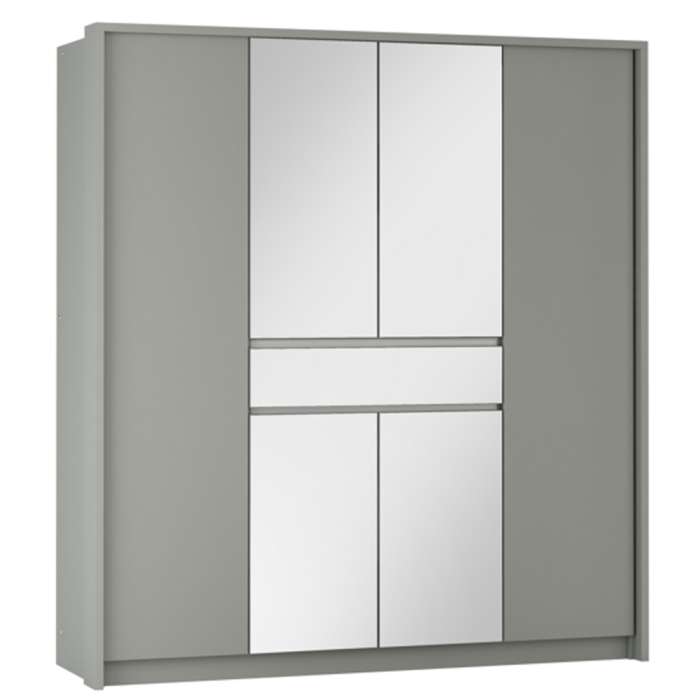
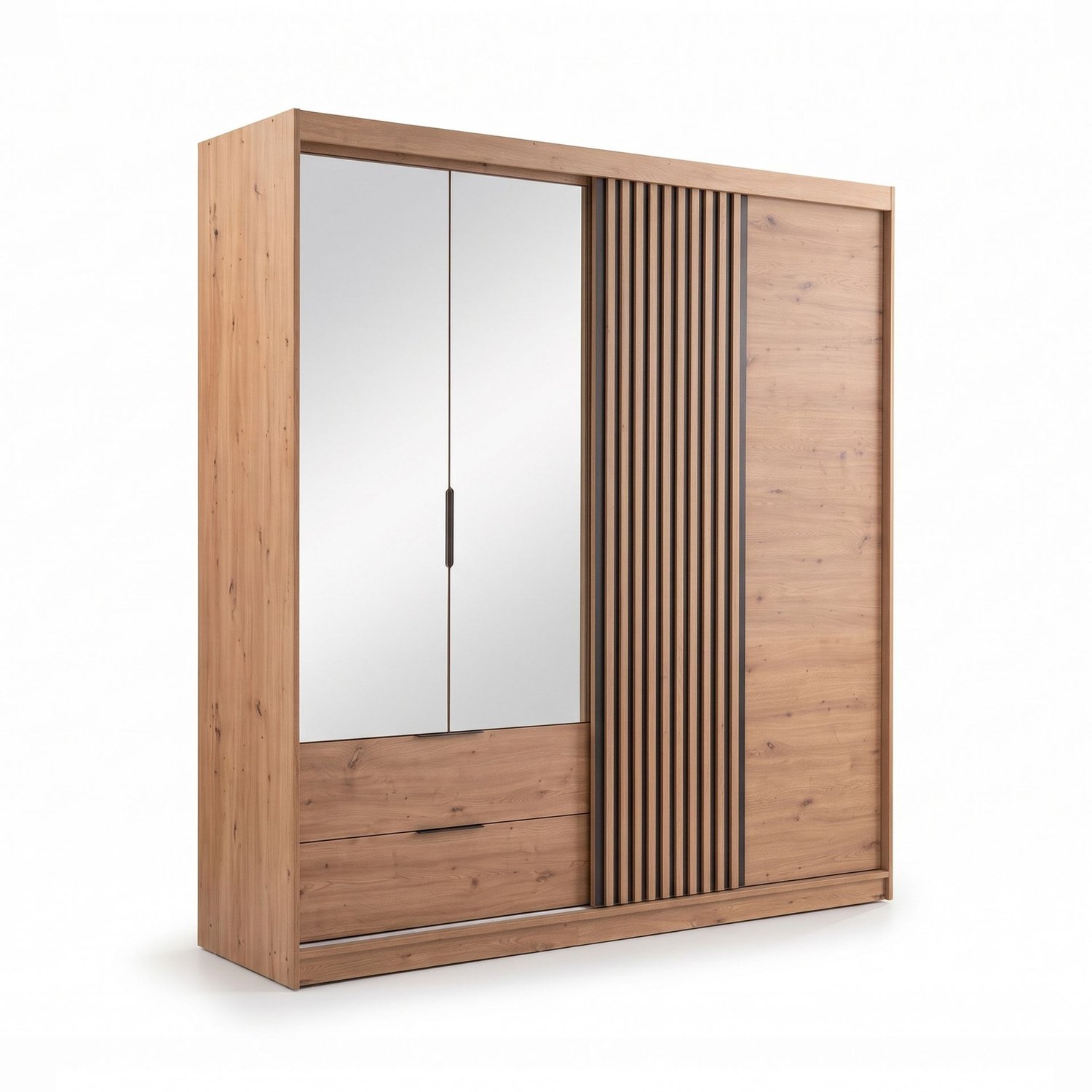
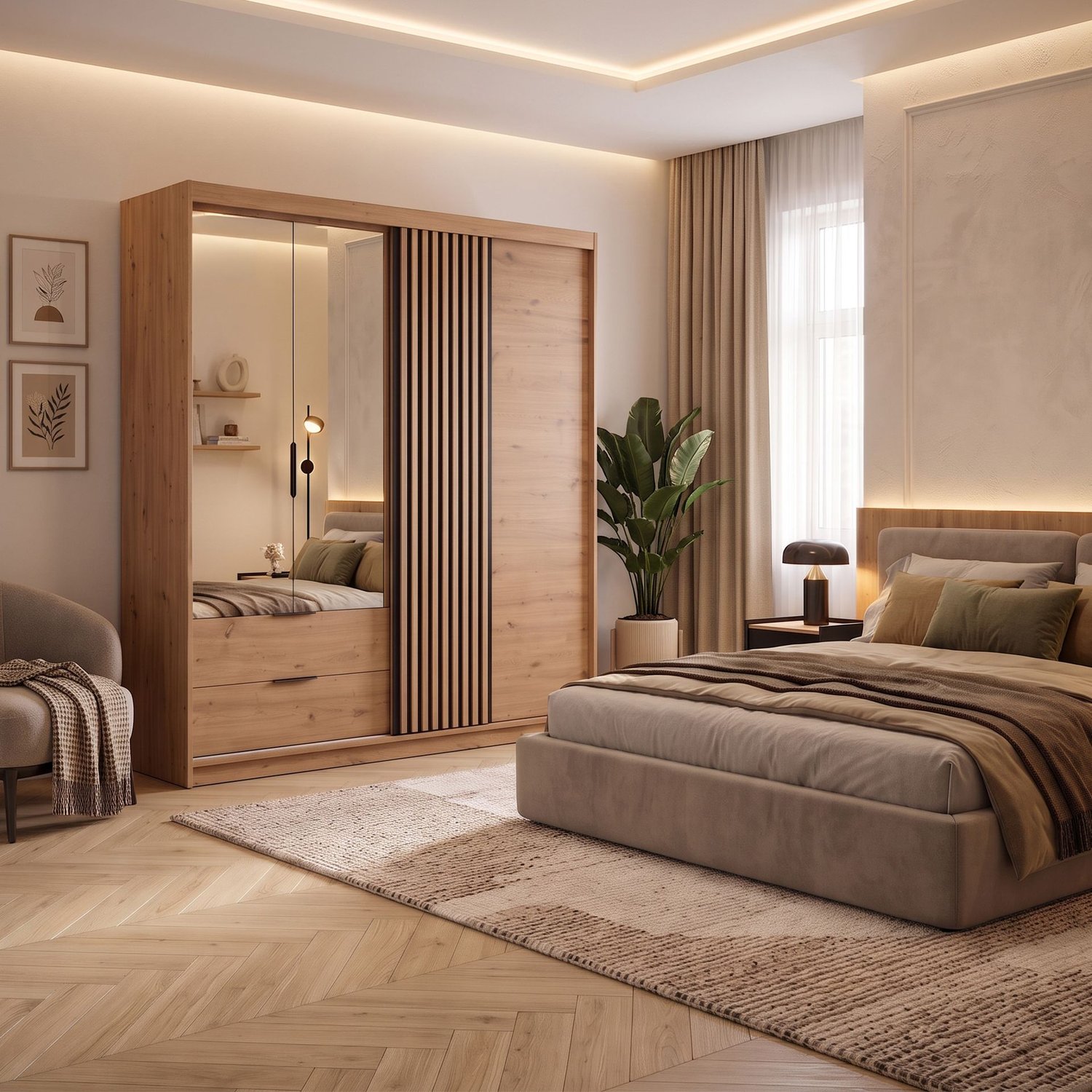
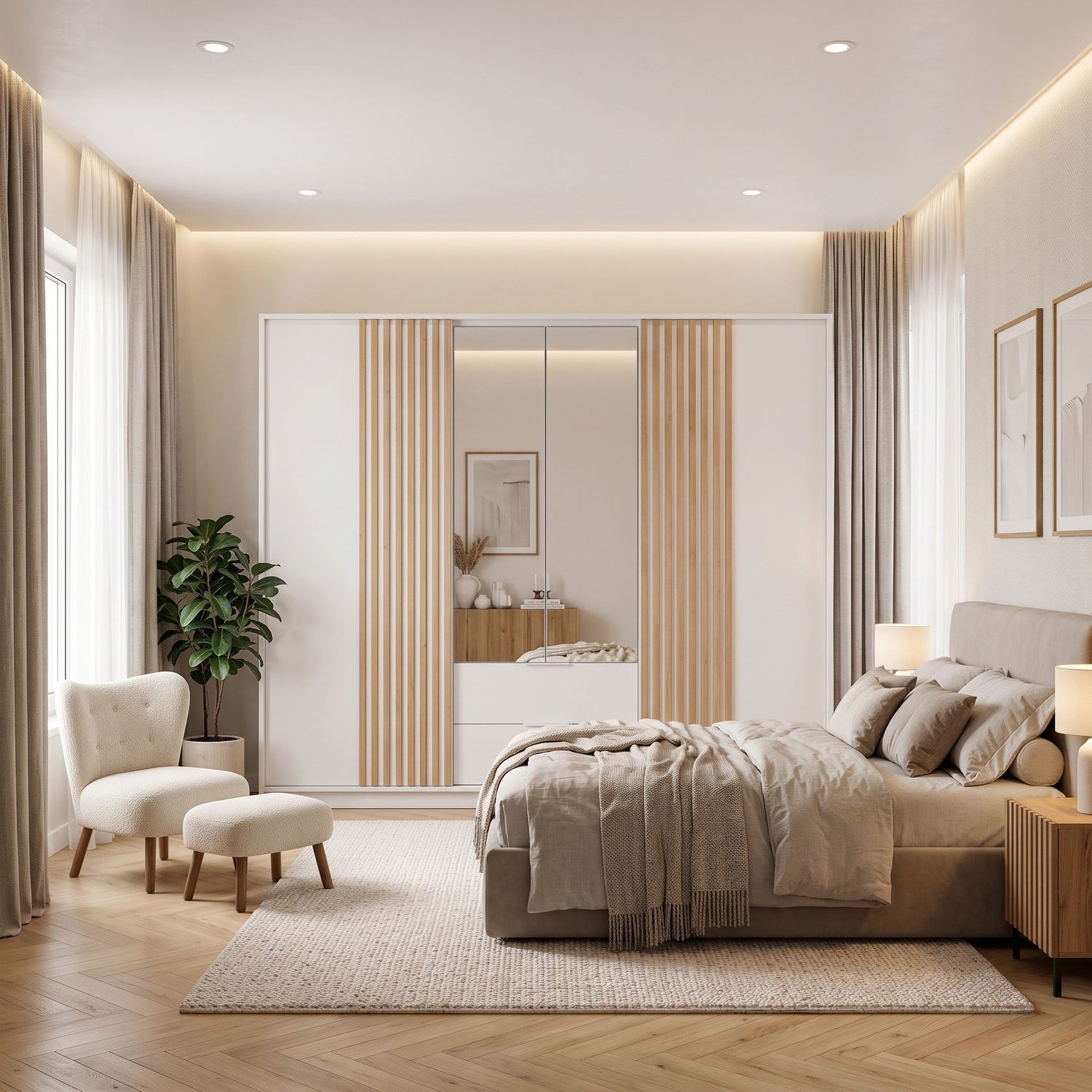
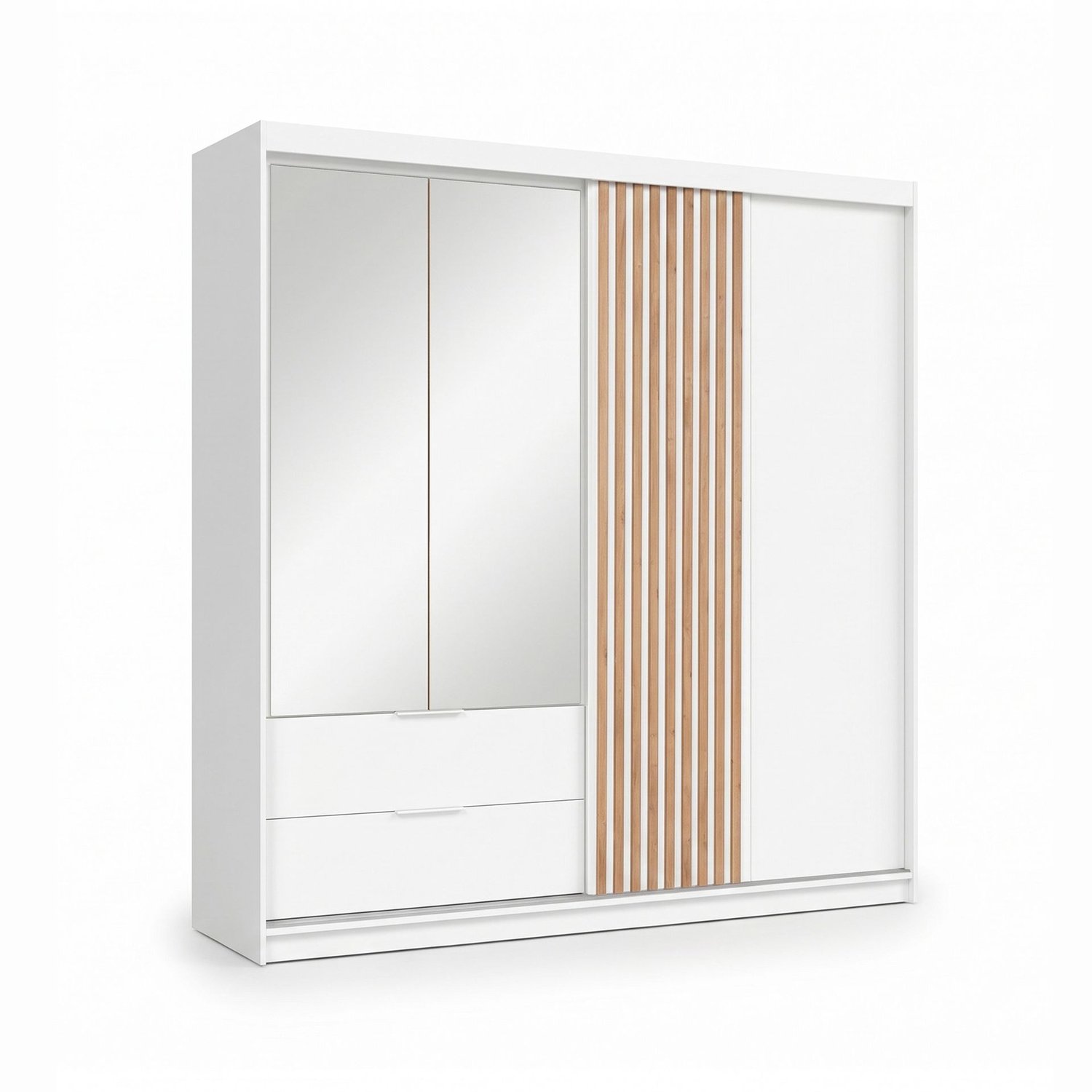
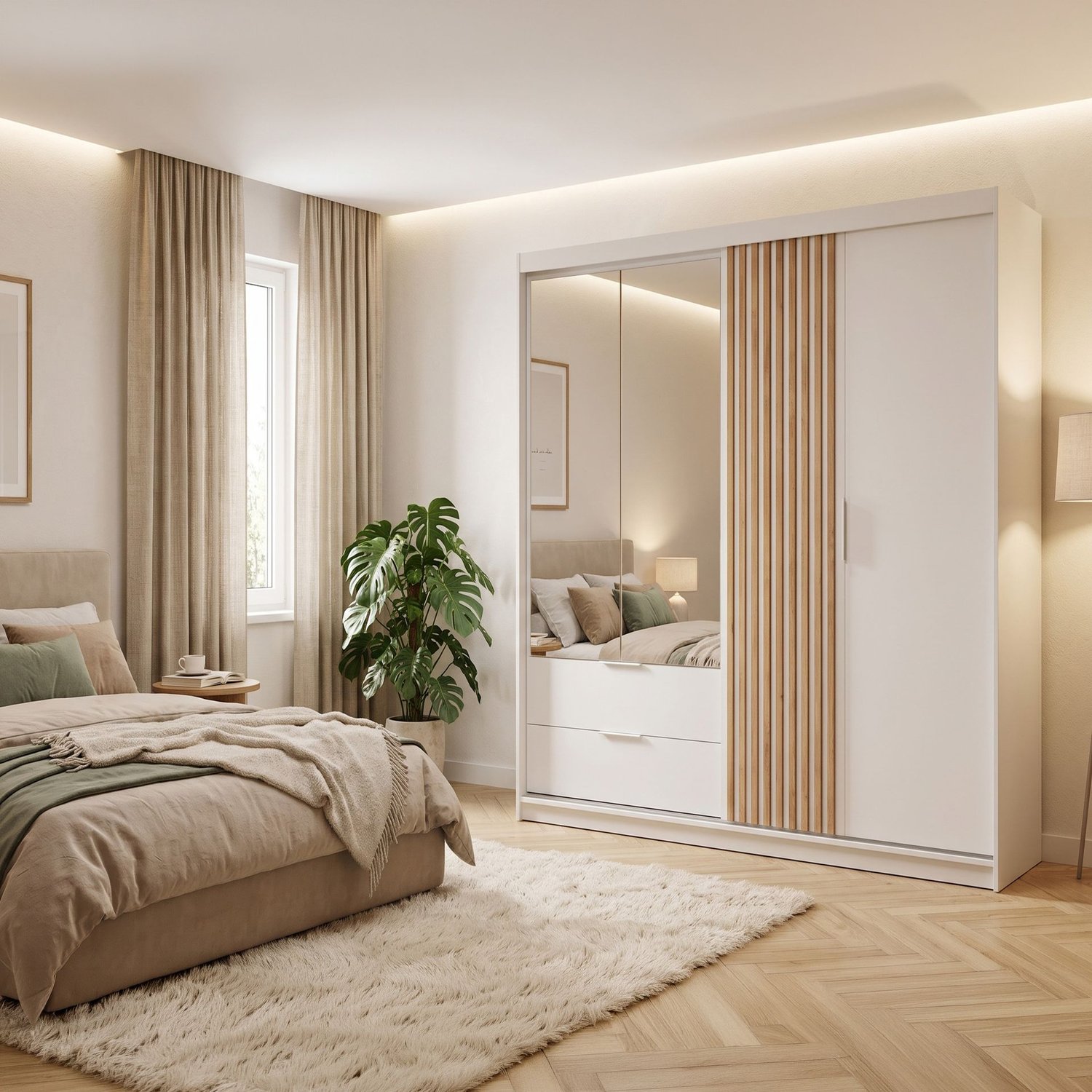
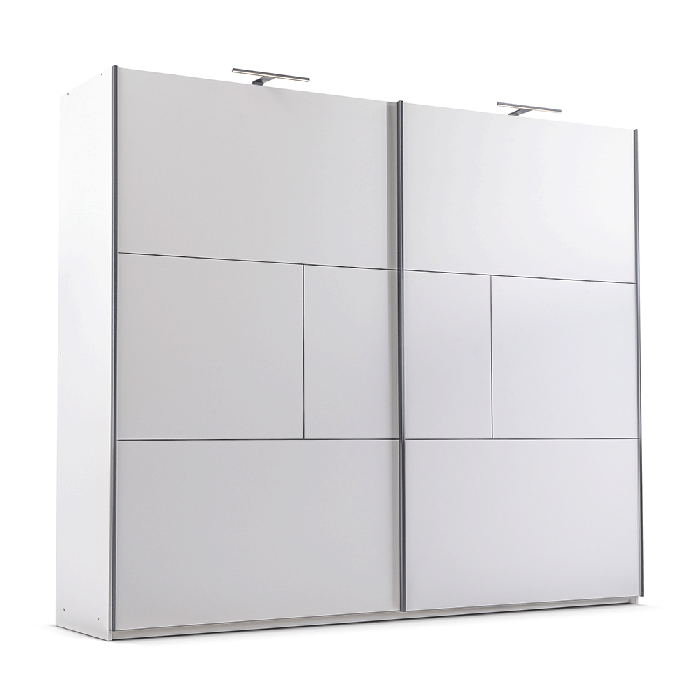
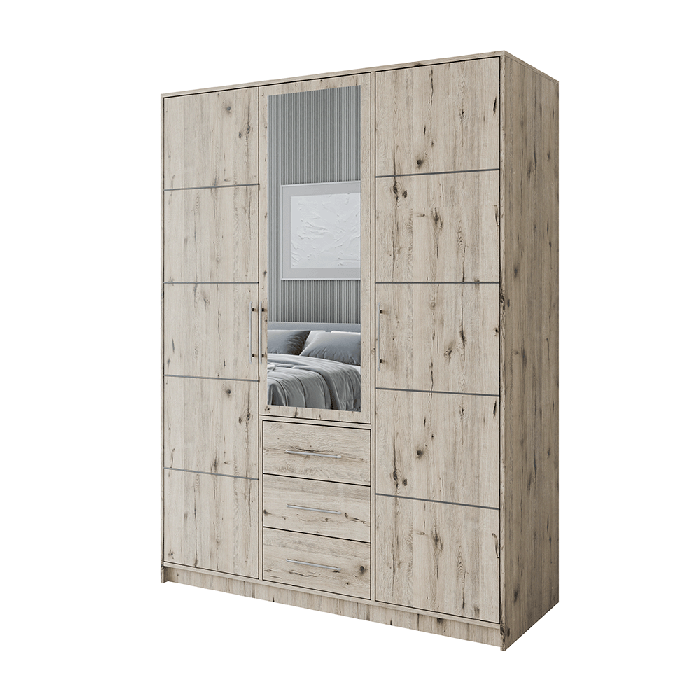
Our wardrobes UK collection reflects a wide mix of styles to suit different interiors. Whether you prefer something clean and contemporary or more classic in feel, there are plenty of options to choose from. A timeless oak wardrobe or wood-effect finish can bring warmth and texture into the bedroom, while neutral tones like white, grey, or black keep things light and adaptable. For a more modern touch, mirrored wardrobes are a popular choice – helping to reflect light and create a sense of space, particularly in smaller rooms. If accessibility and convenience are key, consider our range of mirrored wardrobes, which combine storage with a practical full-length mirror. For a streamlined look, sliding door wardrobes are ideal where floor space is limited, while hinged wardrobes offer a more traditional opening and easy access to the entire interior.
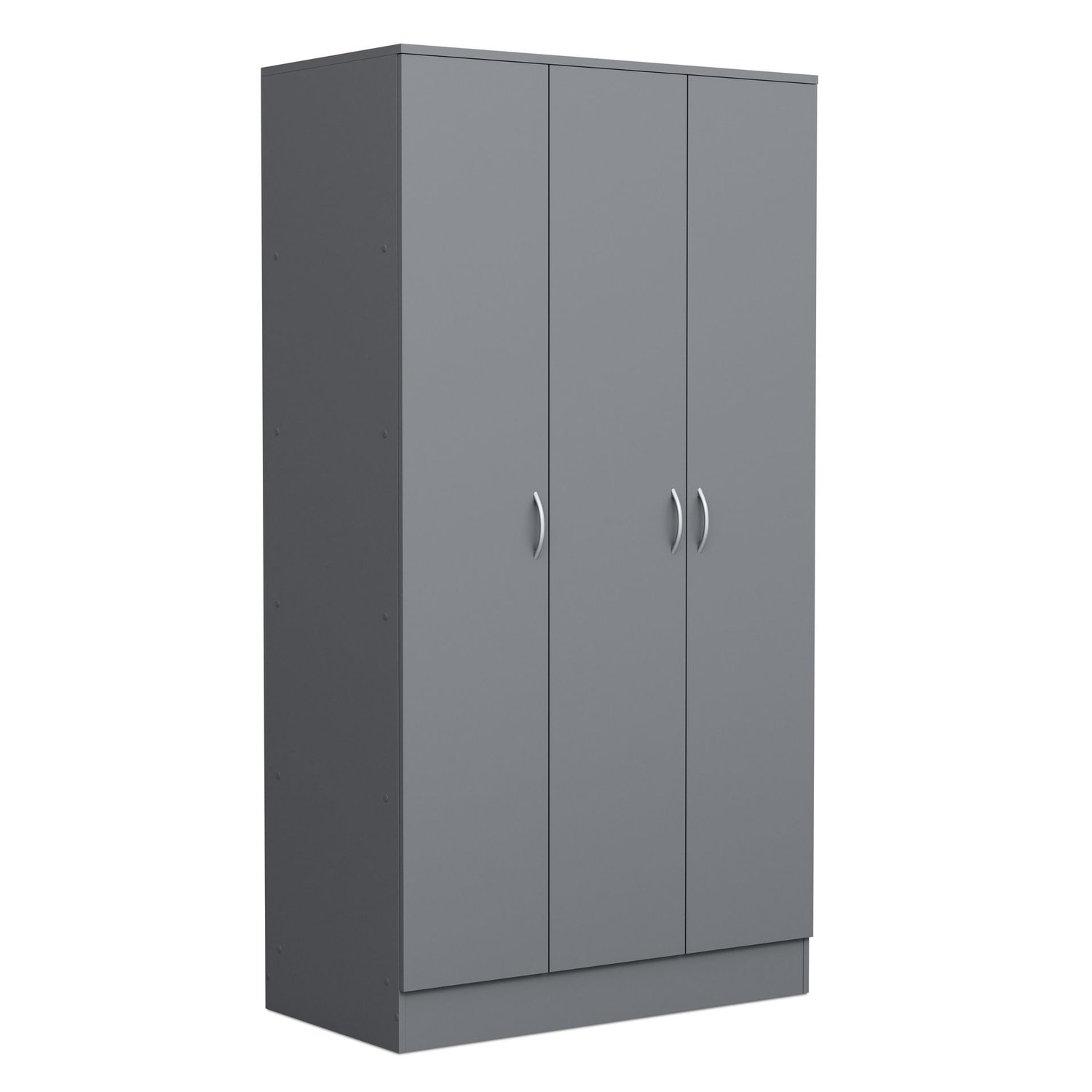
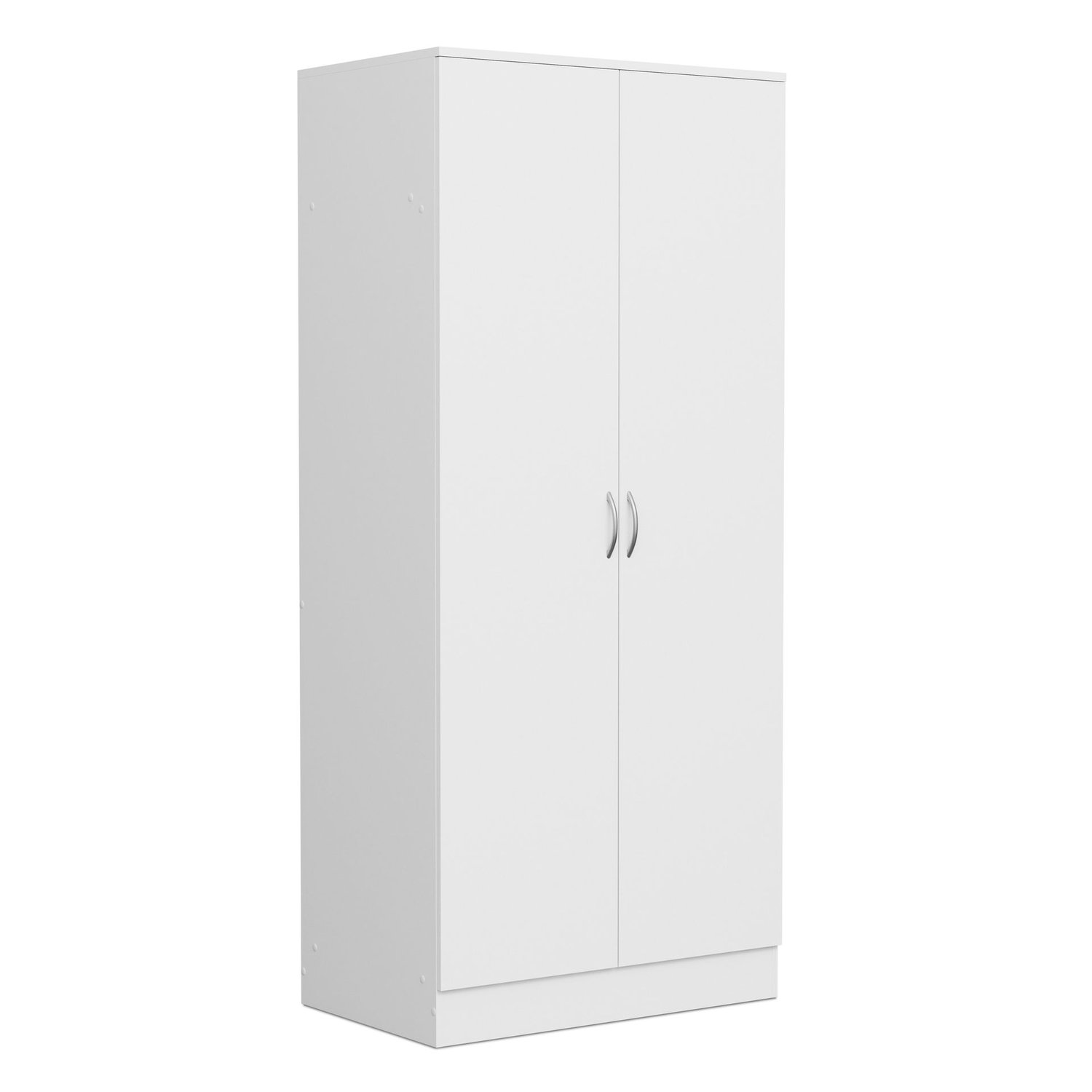
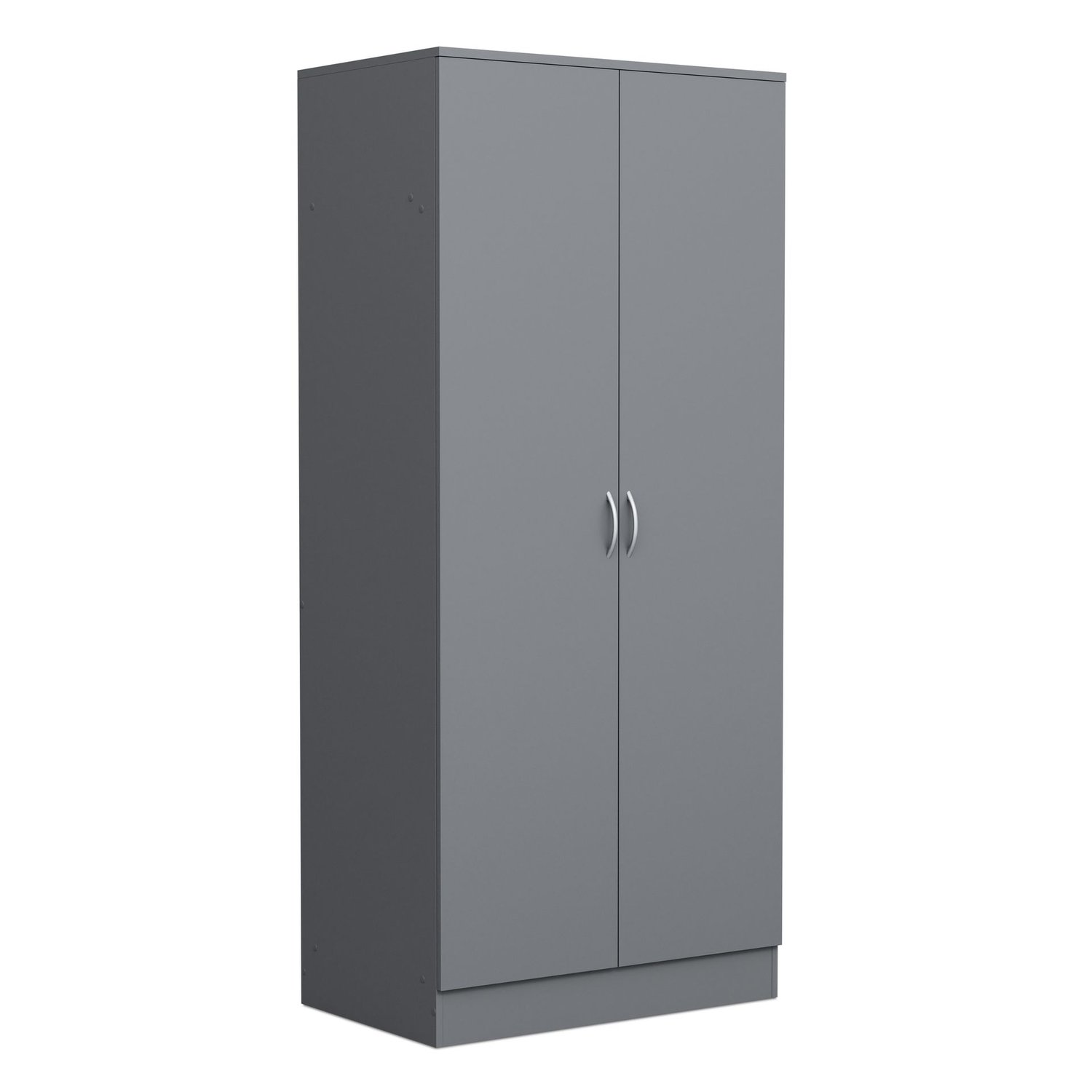
A freestanding wardrobe is one of the most flexible storage solutions you can choose. Unlike built-in furniture or fitted wardrobes, freestanding wardrobes can be repositioned as your needs change, making them a practical option for both permanent homes and rented spaces. They’re also easier to integrate into existing interiors, whether you’re updating a single room or gradually refreshing your furniture. Available in a variety of widths and heights, a freestanding wardrobe can work just as well in a compact bedroom as it does in a larger master suite. From a simple single wardrobe to a more spacious double wardrobe, these pieces are designed to offer dependable storage without the need for complex installation.
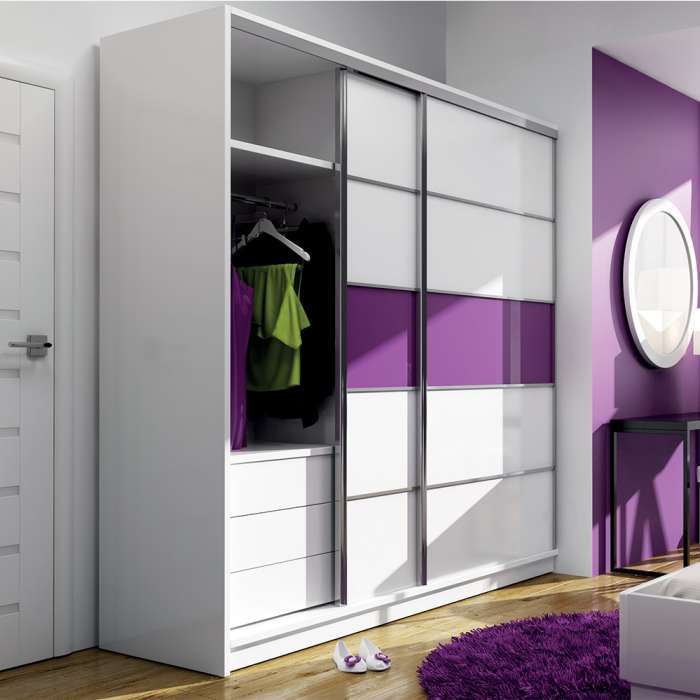
Every home is different, which is why our range includes both small wardrobes and larger statement pieces. If you’re furnishing a tighter space, compact designs help maximise storage without taking up too much floor area. Features like sliding doors or integrated mirrors can further enhance usability in smaller rooms. For bigger bedrooms, a large wardrobe or big wardrobe provides the capacity needed for extensive clothing collections, seasonal storage and shared use. Thoughtful internal layouts including hanging rails, shelving, and compartments make it easier to keep everything organised. Pairing your wardrobe with a matching chest of drawers can also help you create a more efficient storage setup, giving you a dedicated place for folded items, accessories and everyday essentials.
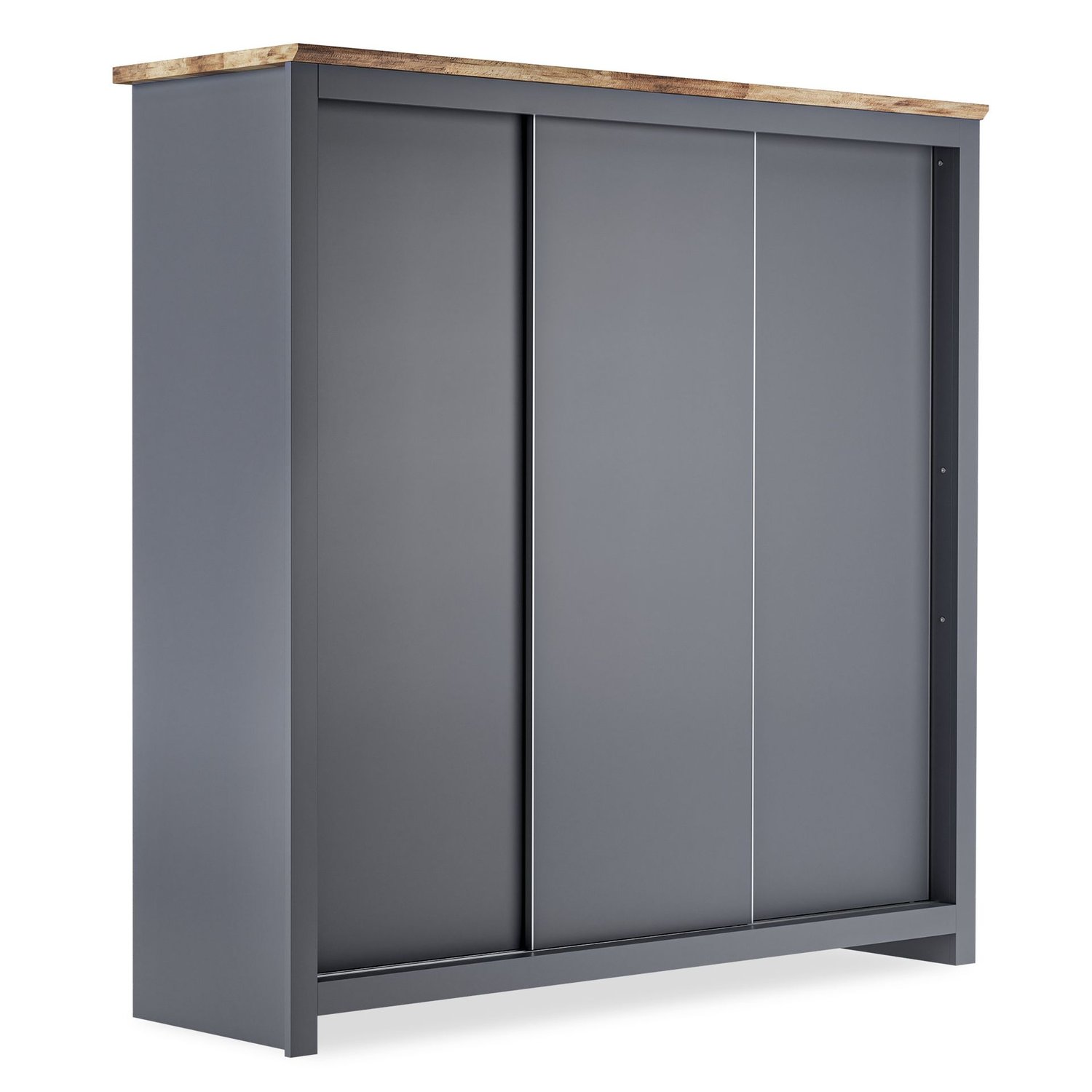
When choosing between different wardrobes, it helps to think about how you use your space on a daily basis. Consider the amount of hanging versus folded storage you need, the size of your room and how the doors will open. A bedroom wardrobe with sliding doors (sliding wardrobes) may be the best fit for narrow layouts, while hinged designs suit rooms where space isn’t restricted. Materials and finishes also play a role – from the natural look of an oak wardrobe to sleek mirrored surfaces that brighten the room.
Our collection of cheap wardrobes is built around practical solutions that make everyday organisation easier, helping you create a bedroom that feels tidy, functional and comfortable to use.
Most wardrobe doors can be adjusted using the hinges located inside the wardrobe. These hinges usually allow you to move the doors up or down, side to side, and slightly in or out to improve alignment. A screwdriver is typically enough to make small adjustments so the doors sit level and close properly.
A standard wardrobe is usually around 55–60 cm deep, which allows clothes to hang comfortably without creasing. Sliding door wardrobes may need slightly more depth, especially if fitted with internal drawers.
The cost of a built-in wardrobe in the UK varies depending on size, materials and internal layout. As a general guide, prices often start from around £1,500 and can increase significantly for bespoke designs and premium finishes.
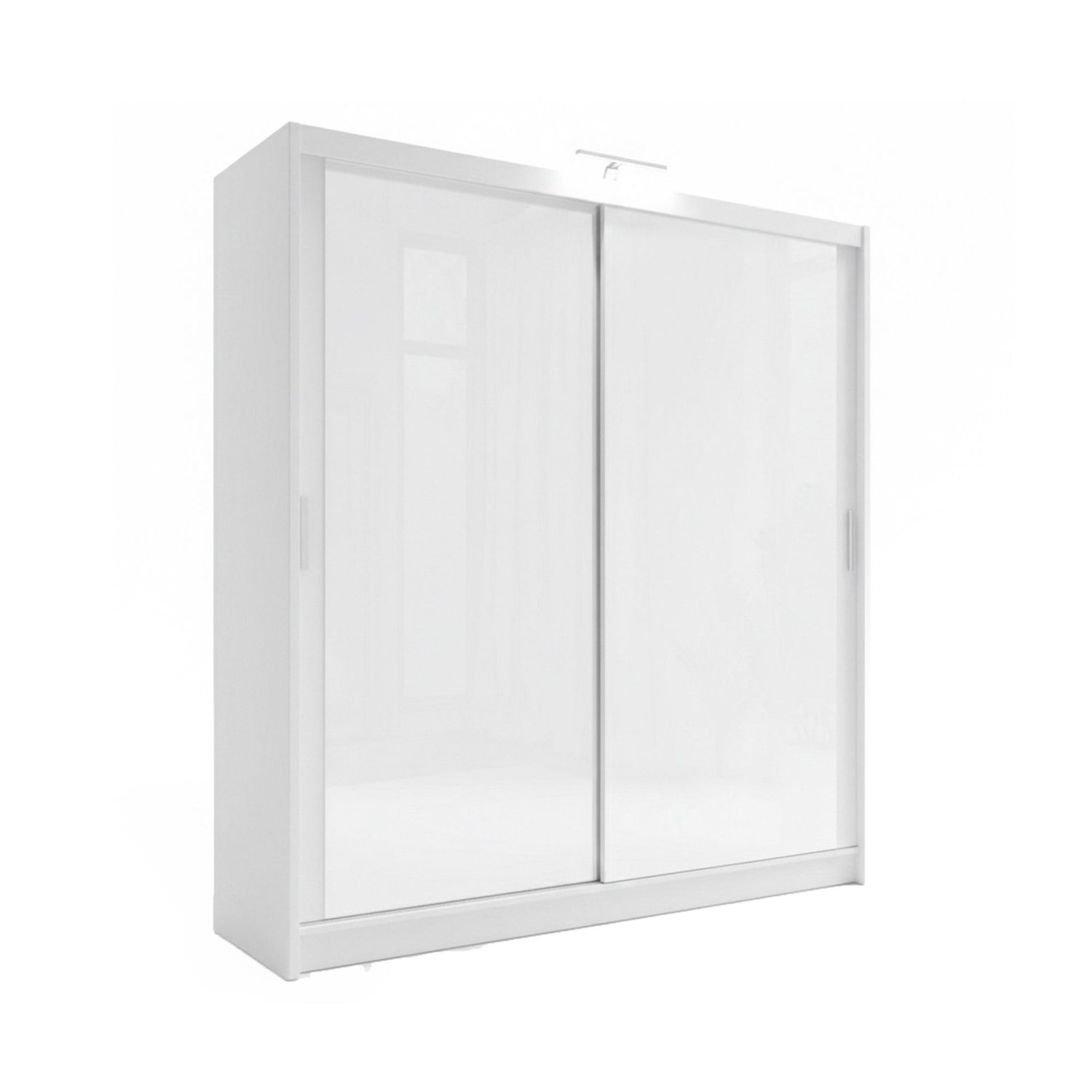
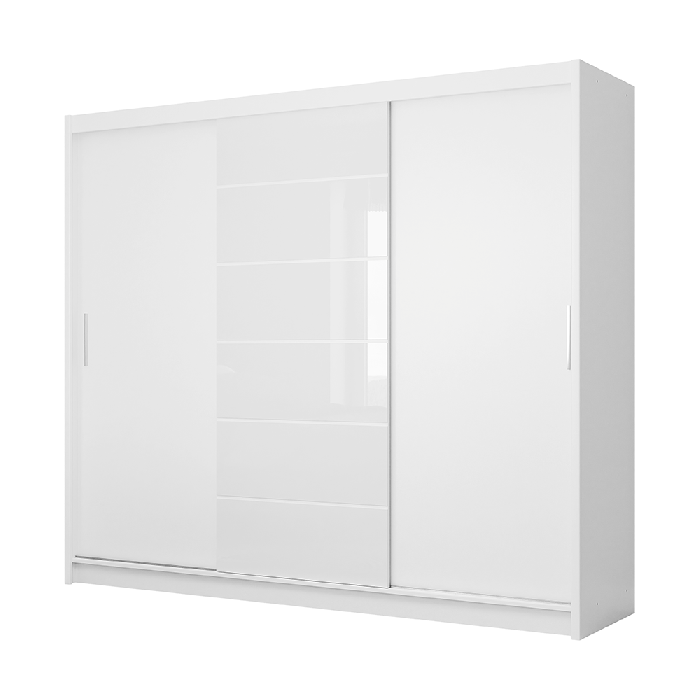
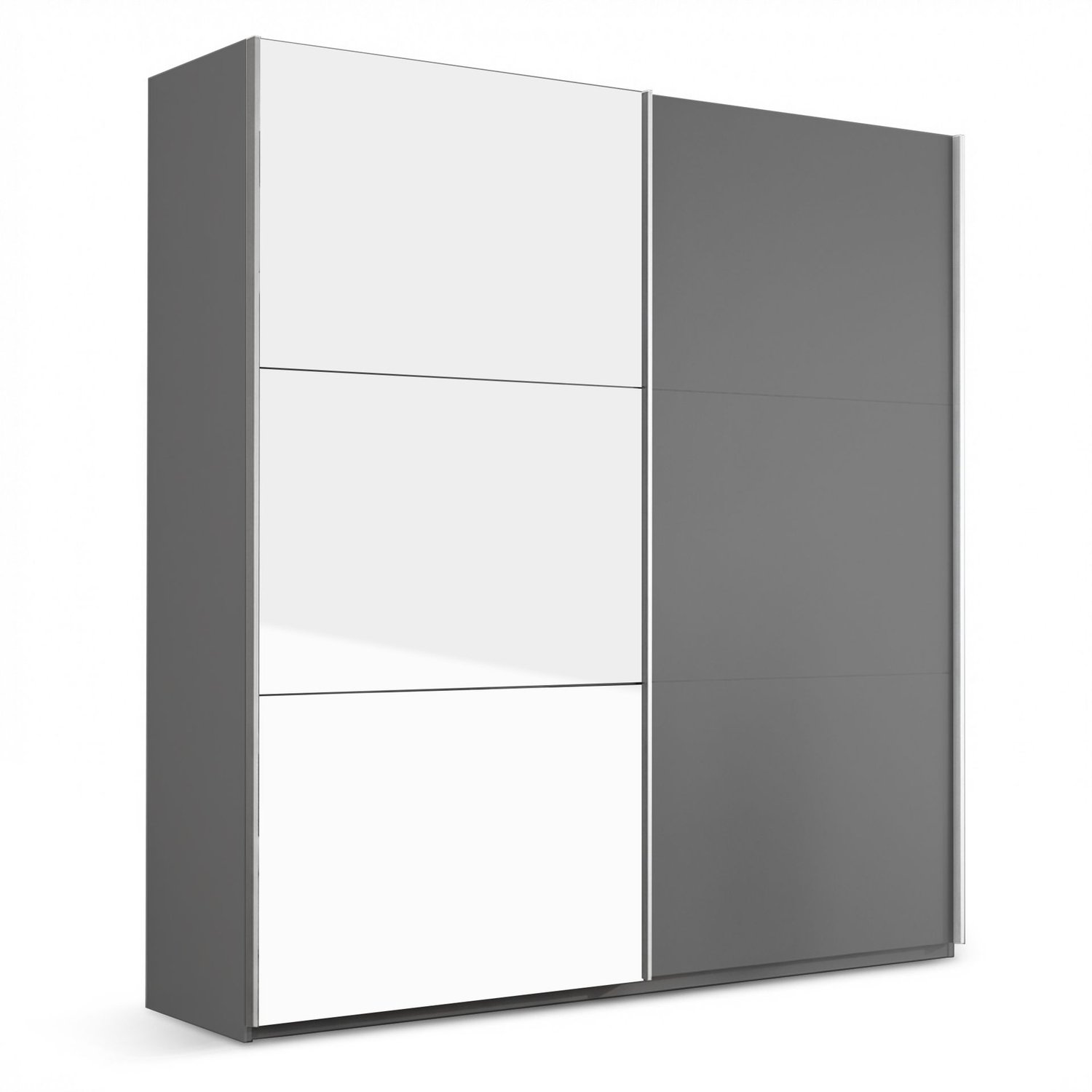
A gloss wardrobe features a smooth, high-shine finish that reflects light and creates a modern look. It is often available in colours like white, grey, or black and helps make a room feel brighter and more spacious.
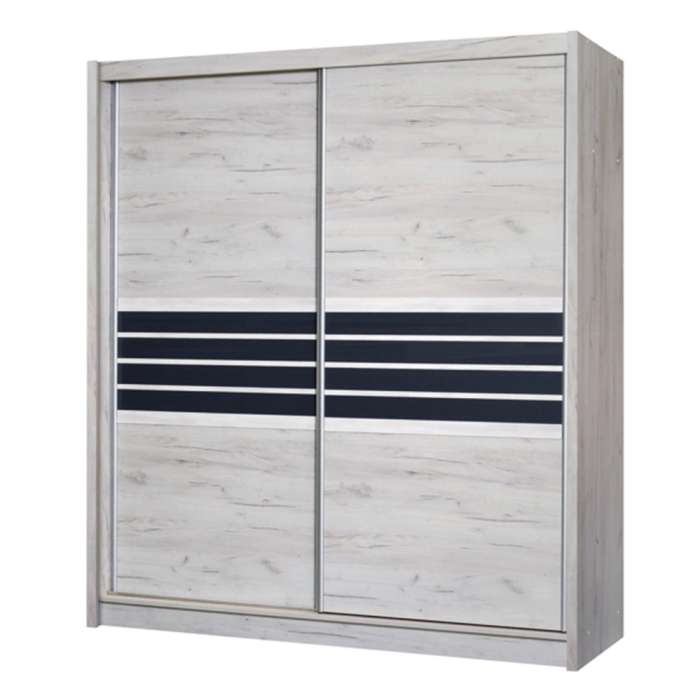
Look for solid or high-quality engineered oak for durability. Check the finish (natural, oiled, or lacquered) and ensure it matches your existing furniture. Prioritise practical features like hanging space, shelves, and drawers. If you’re on a budget, you can also opt for oak-effect wardrobes with a wood-look veneer or laminate, which offer a similar appearance at a more affordable price.
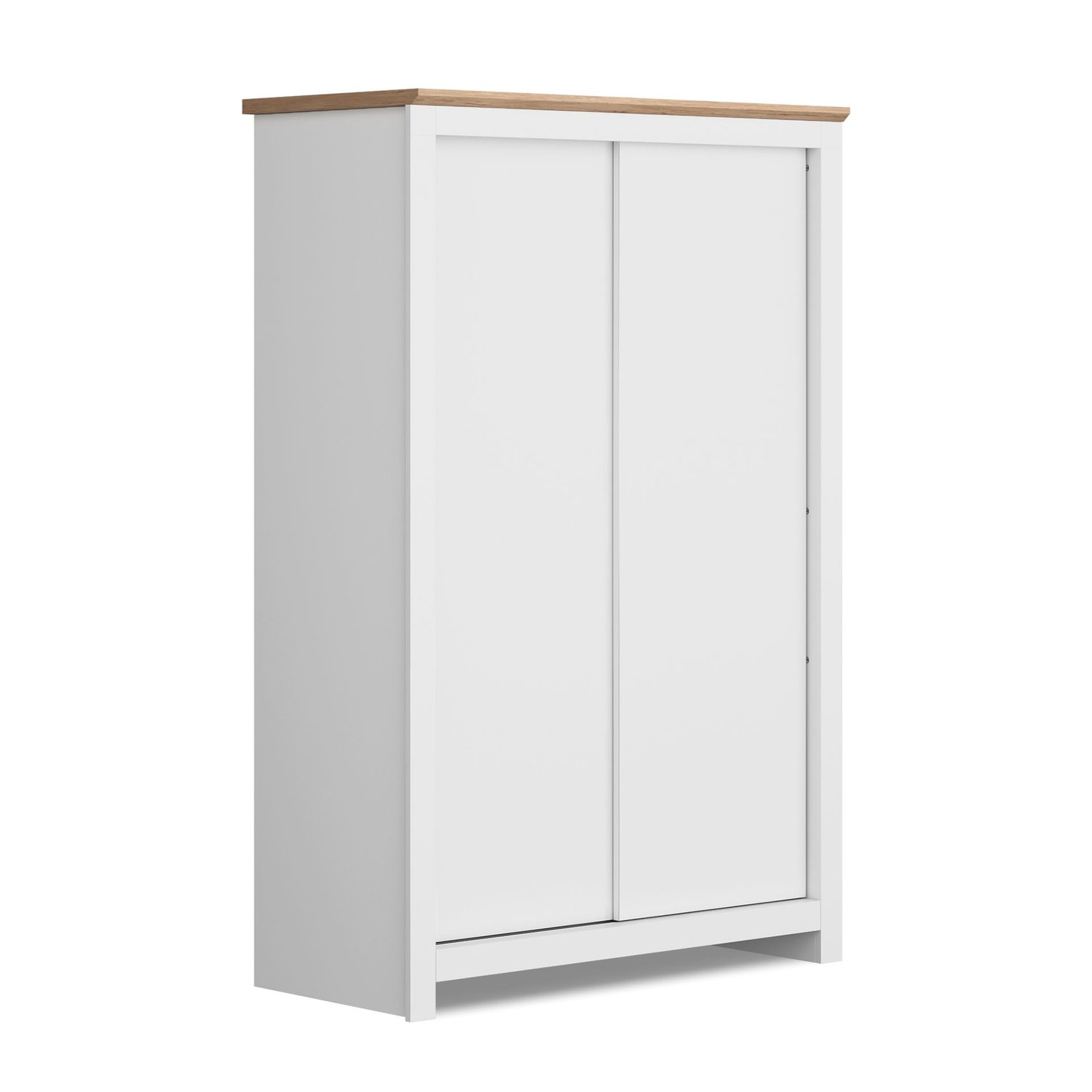
Yes. Sliding doors do not need extra clearance in front of the wardrobe, so they are a practical choice for smaller bedrooms and narrow spaces.
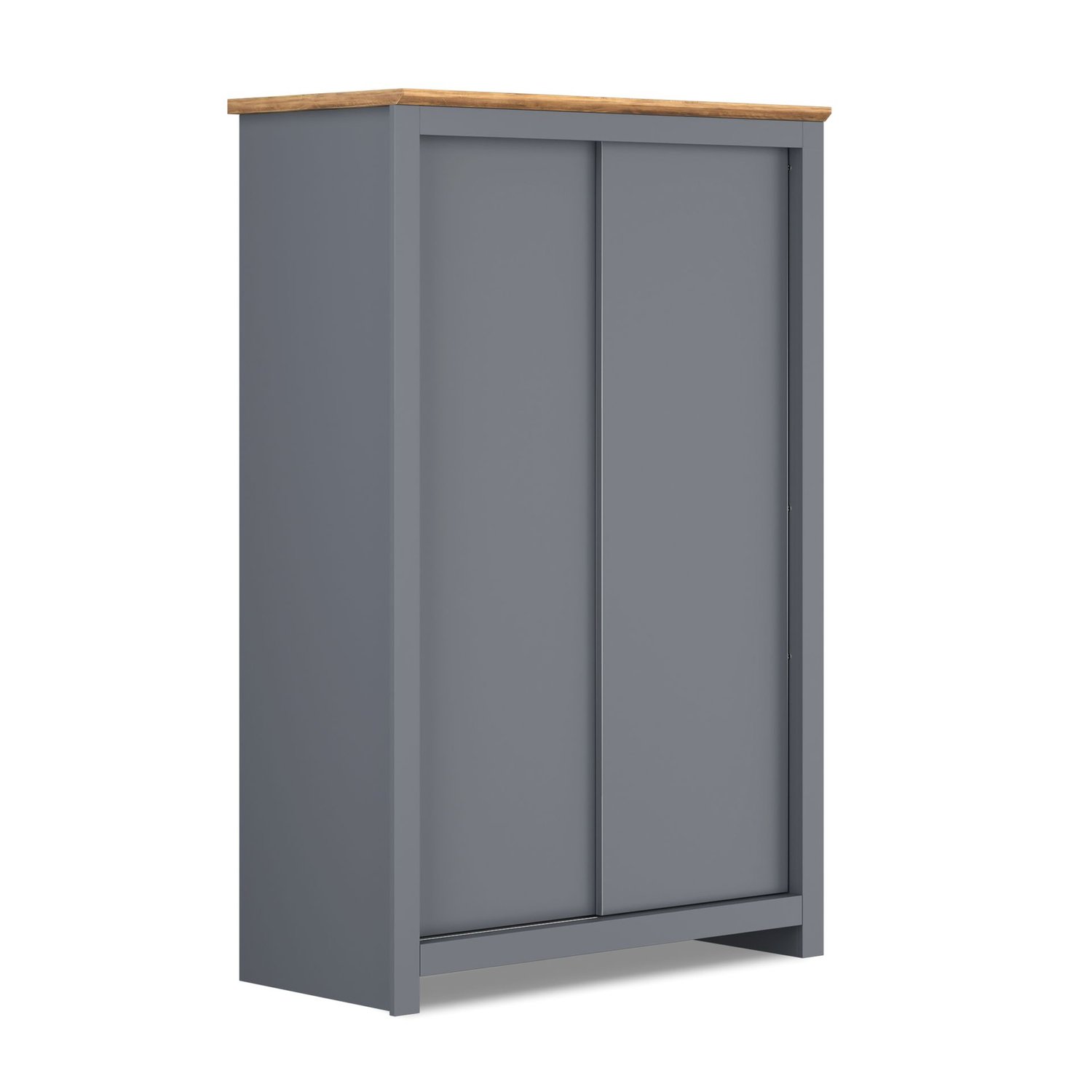
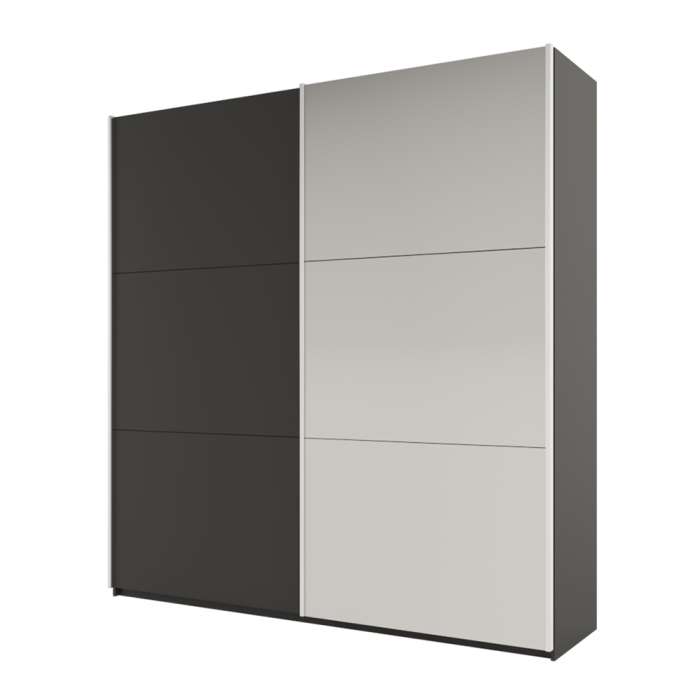
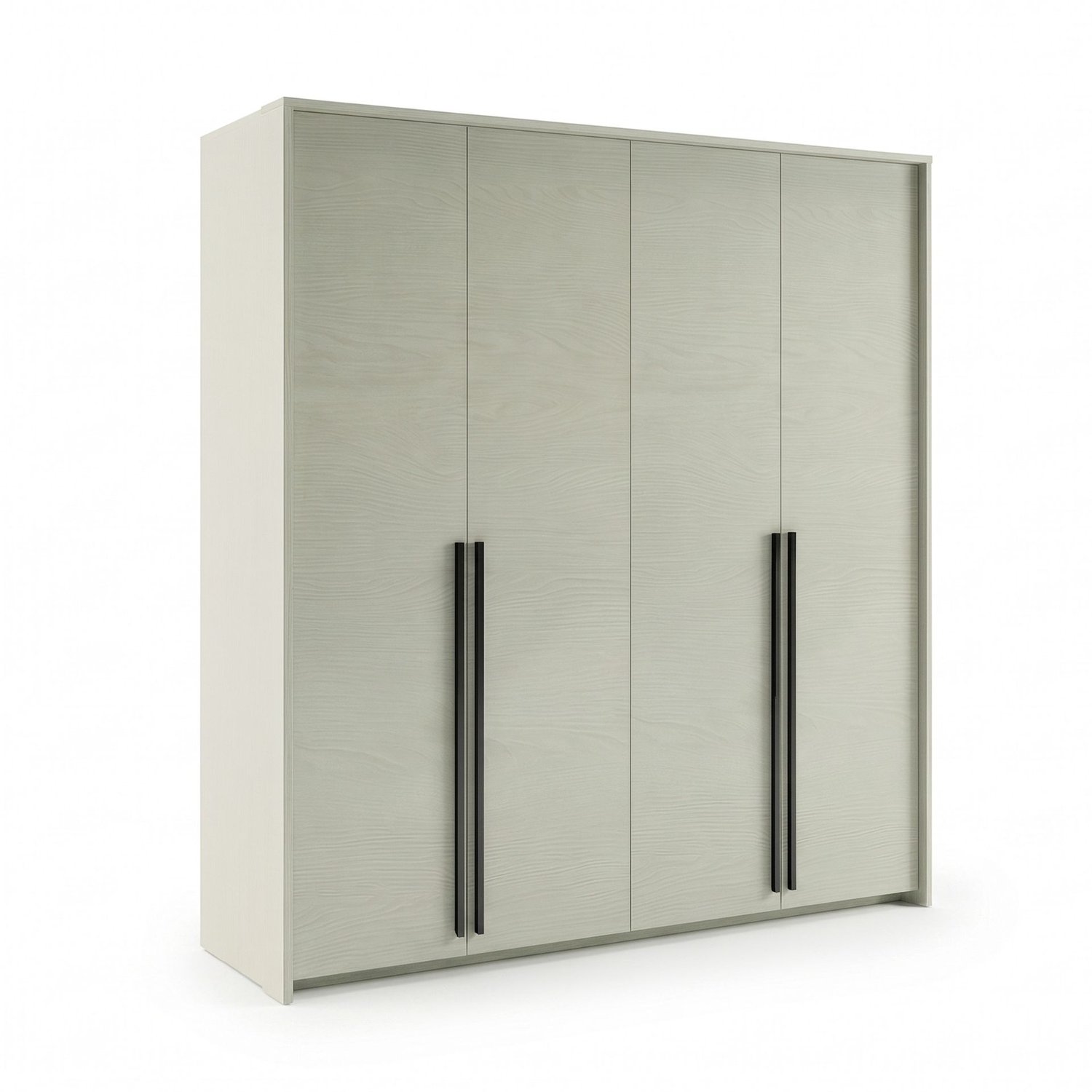
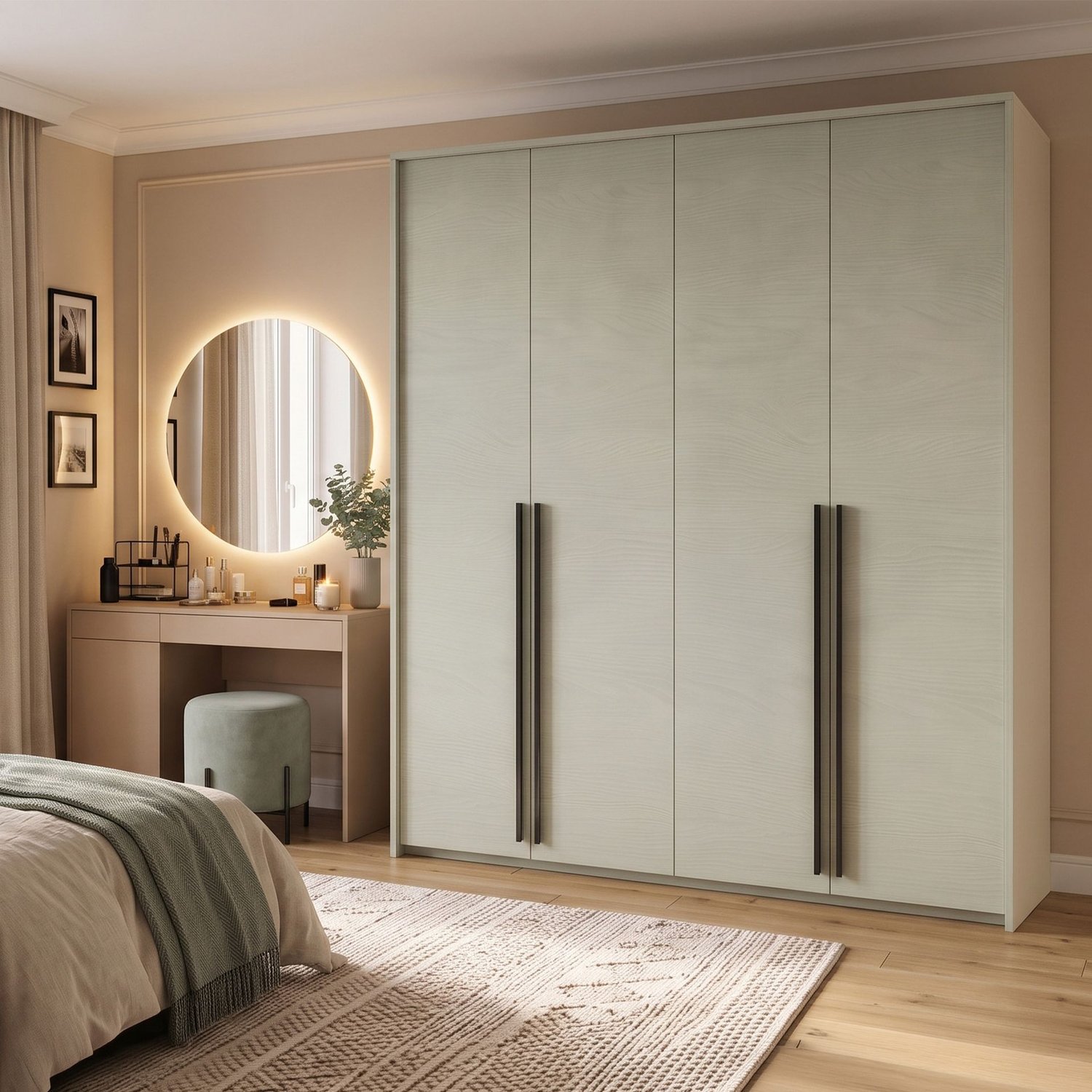
Sliding wardrobes have doors that move sideways along tracks, while hinged wardrobes open outwards. Sliding models save floor space in front of the wardrobe, while hinged doors can provide easier access to the full interior at once.
This depends on how much clothing you need to store, but a wider wardrobe of around 180–250 cm can be more practical for two people. Internal layout is just as important as overall width, so check the number of shelves, rails and compartments.