






Home Ideas
Guest bedroom ideas 2026: top modern and minimalist trends

-60% £34.99
£13.99

-60% £29.99
£11.99

-60% £29.99
£11.99

-60% £29.99
£11.99

£90.99

£90.99
£119.00

£109.00

-19% £64.00
£51.99

£90.99

£59.00
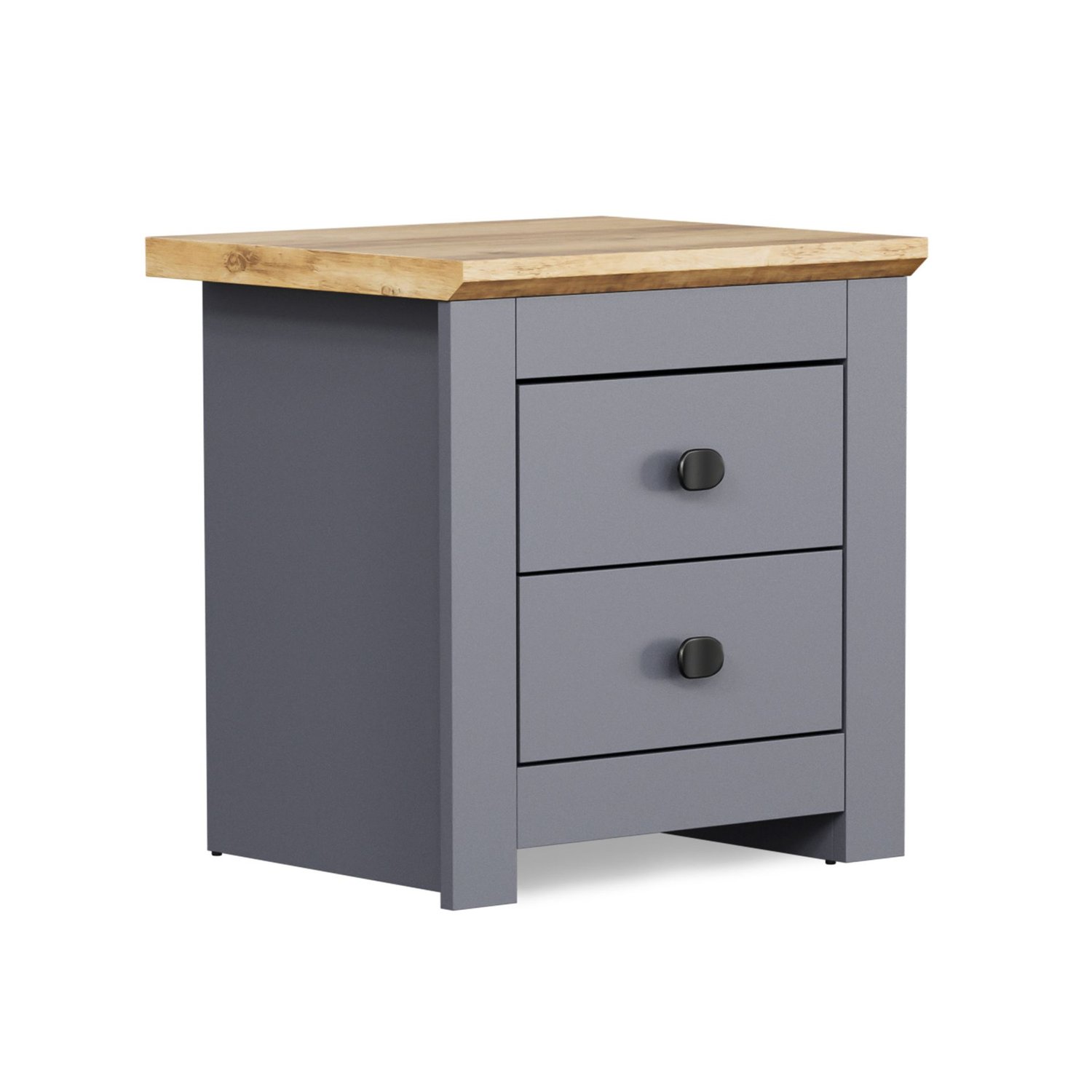

-19% £64.00
£51.99
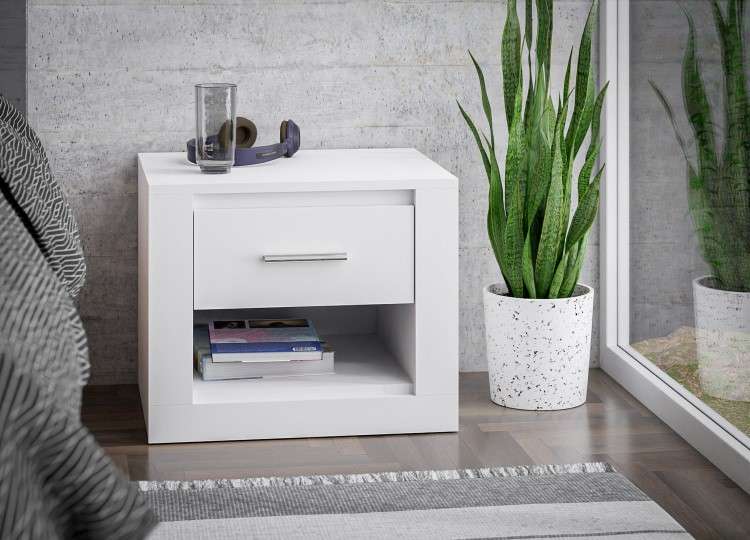
£79.00
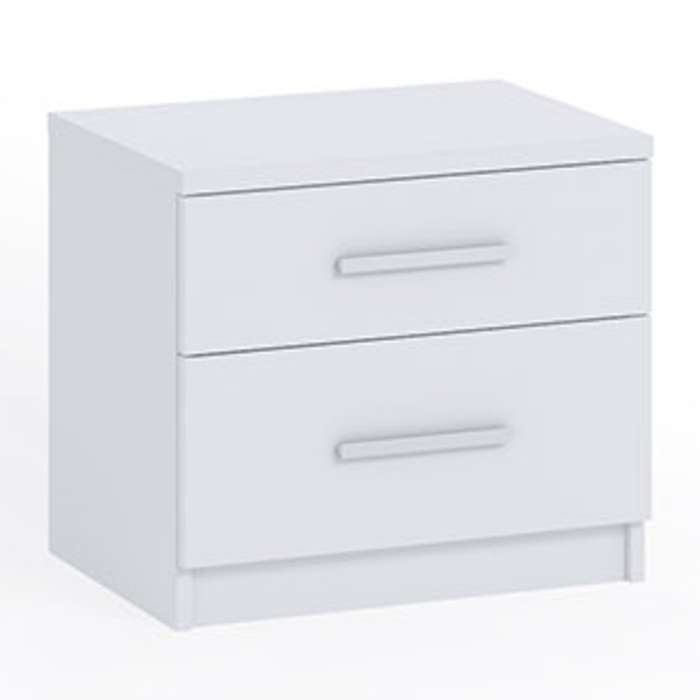

£59.00
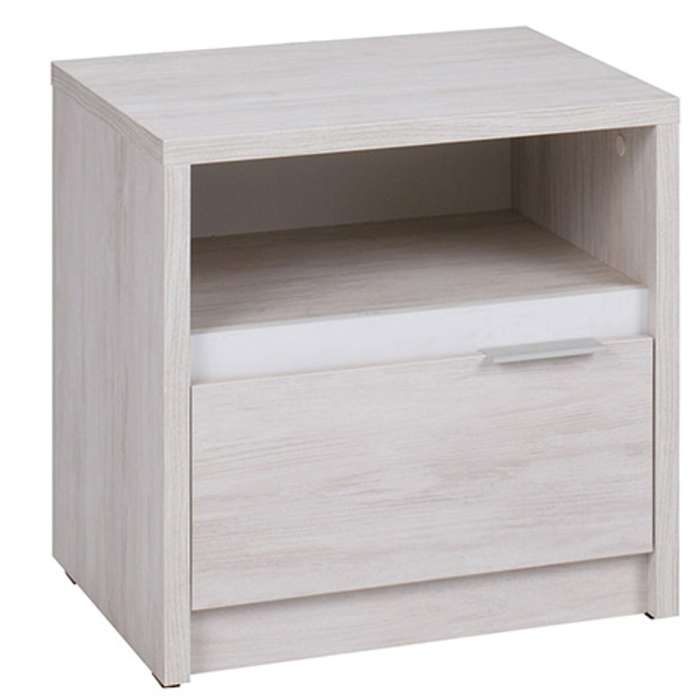

£69.00
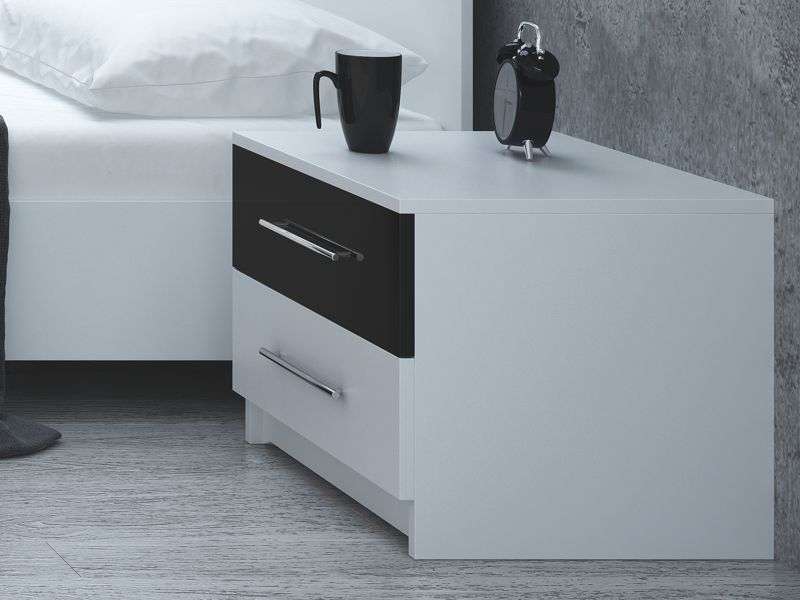

£102.99
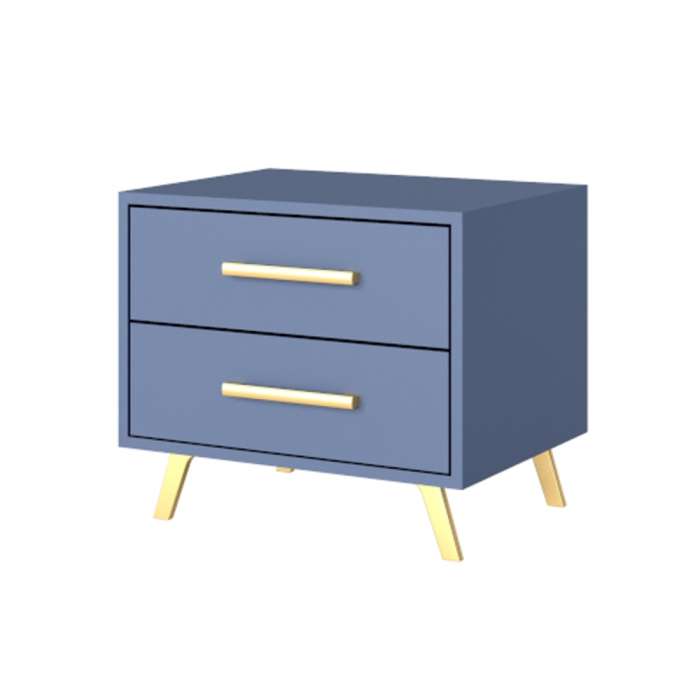
£119.00
£81.99
£81.99
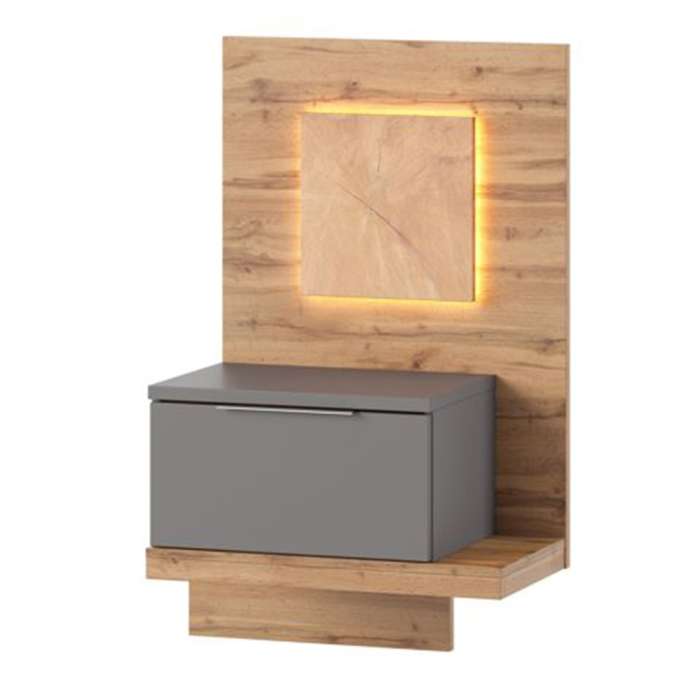

£179.00
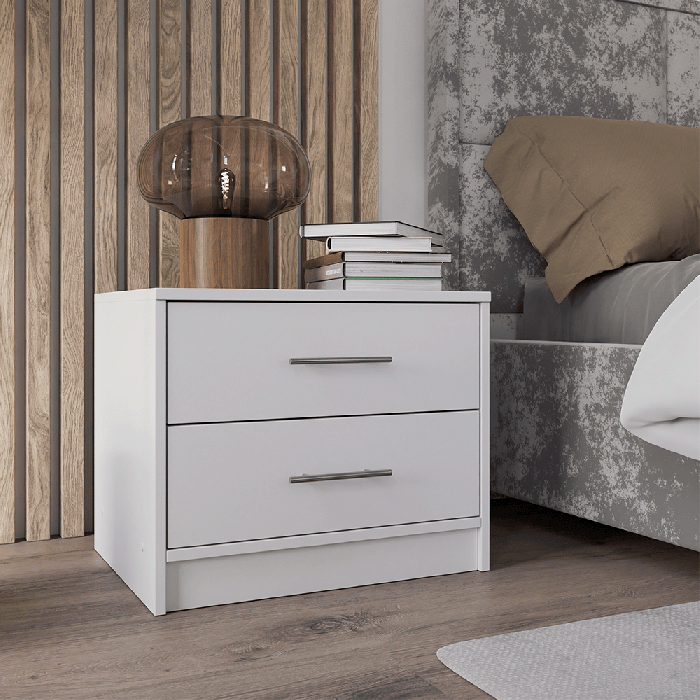

£109.00
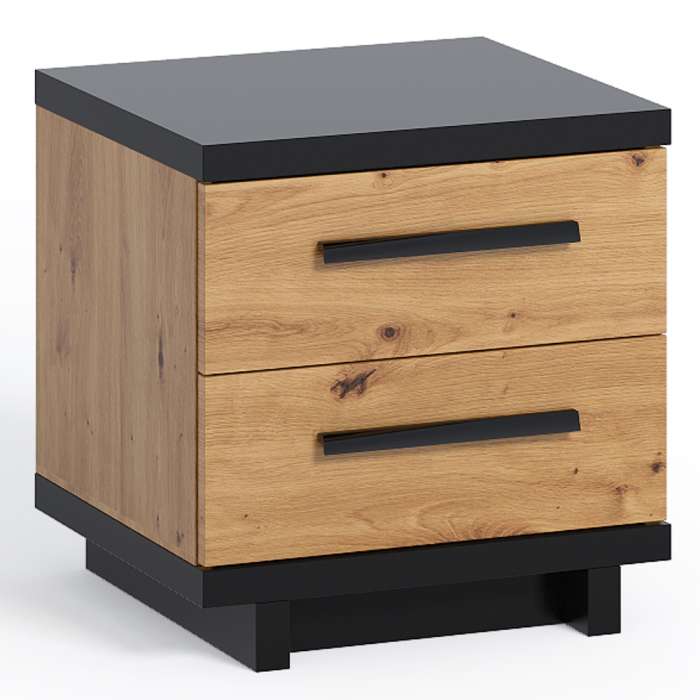

£69.00
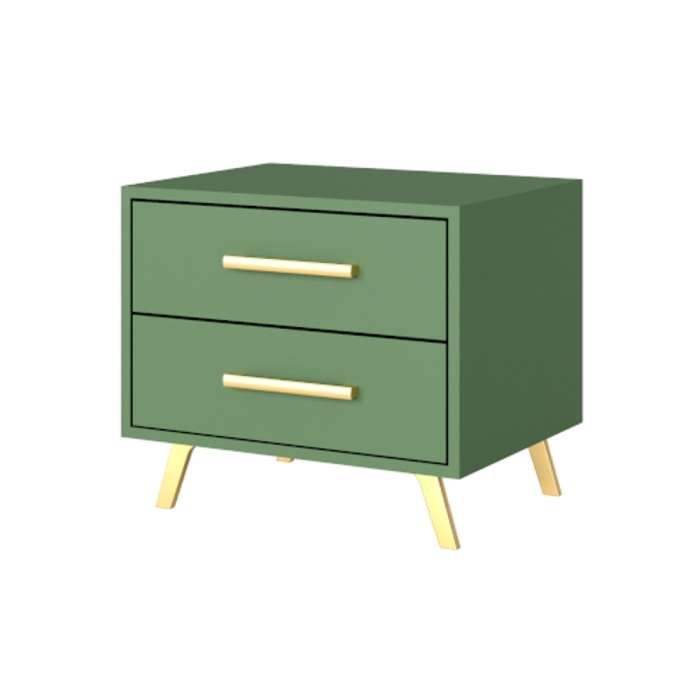
£119.00
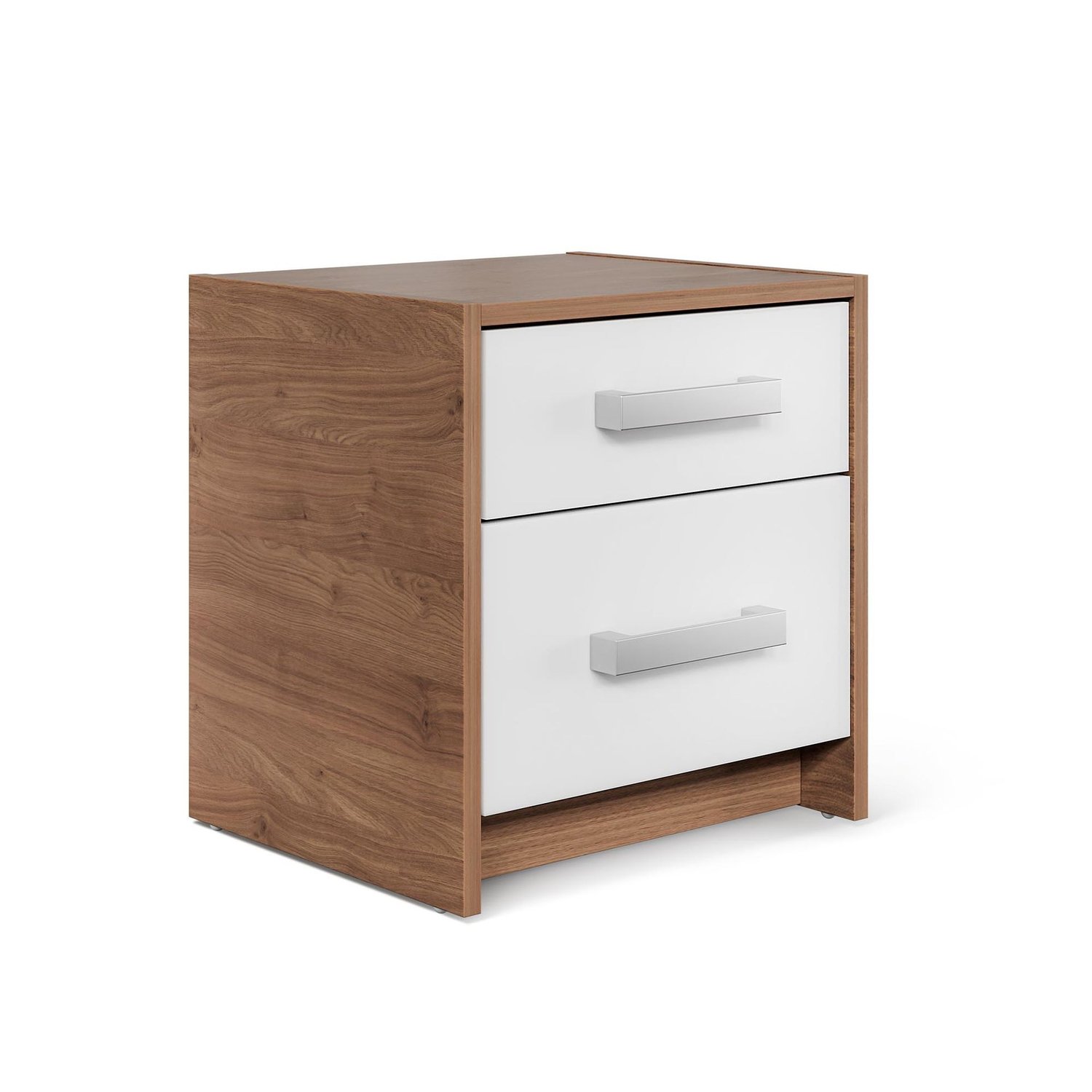
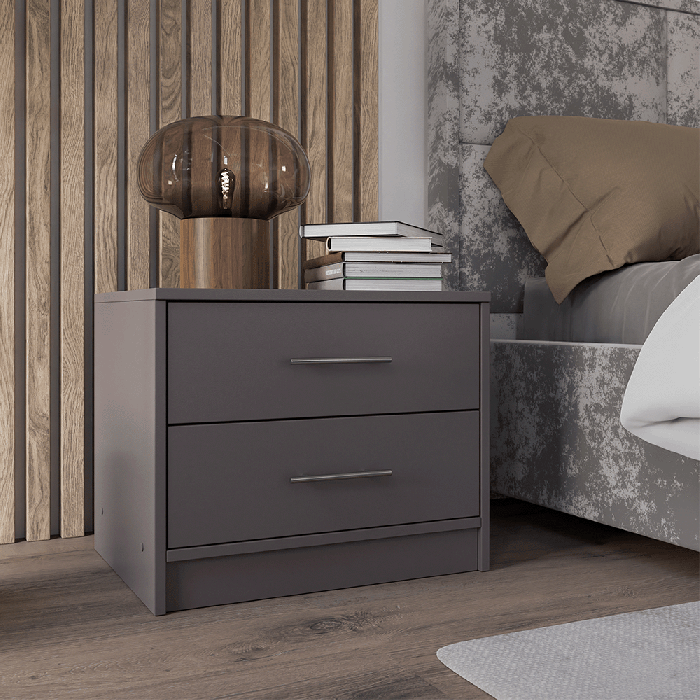
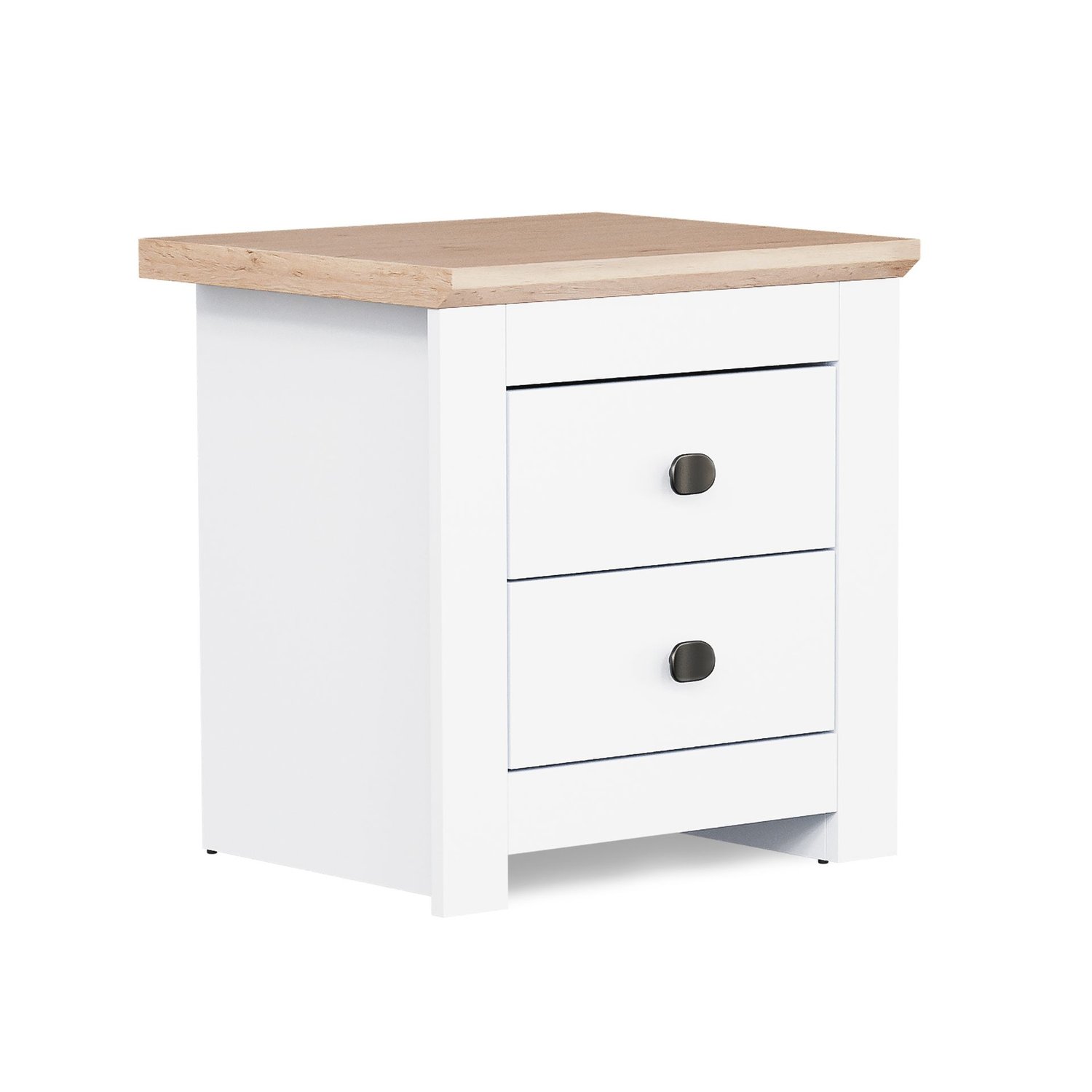
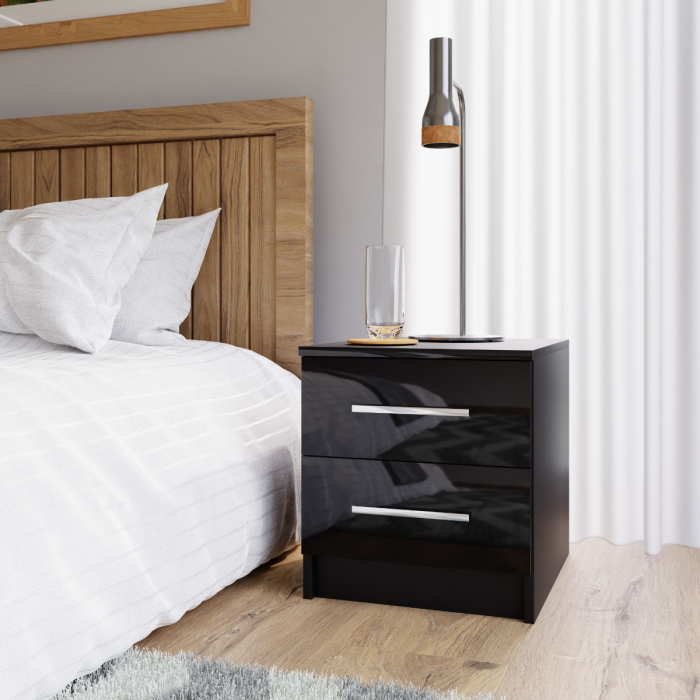
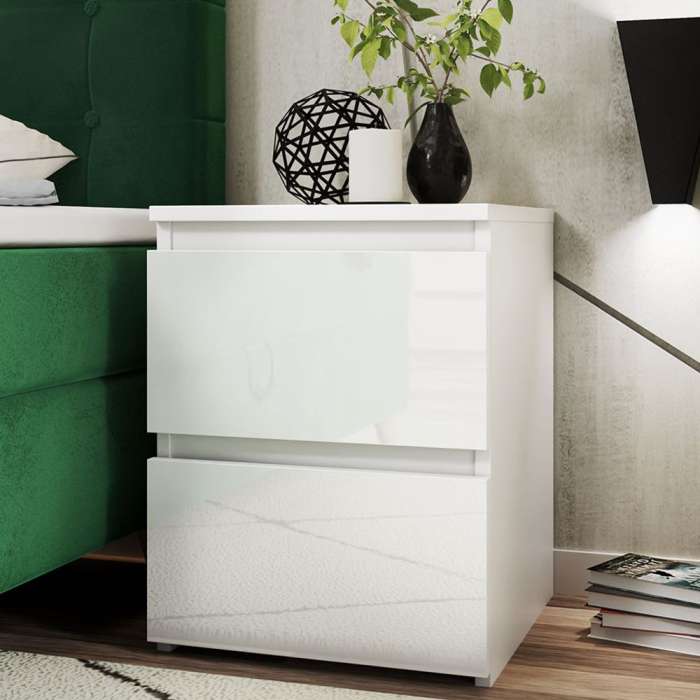
It’s easy to overlook the humble bedside table, but this everyday item plays a vital role in keeping your bedroom functional, tidy and effortlessly stylish. Whether you're resting a book, a cup of tea or your phone, a bedside table with drawer provides that perfect balance of surface space and discreet storage. And with so many options available — from slim bedside tables for compact rooms to large bedside tables for generous layouts — it's easier than ever to find something that suits your needs. While many might search for cheap bedside tables, quality and practicality shouldn’t be compromised. Whether you go for a wooden piece of furniture in a natural finish or a sleek modern bedside table in glossy white, the right choice can truly elevate your bedroom’s character. In essence, bedside tables UK buyers are choosing are no longer just a place to drop your glasses — they’re a design statement and a practical companion all in one.
Most people tend to choose a bedside table that ties in with their bed or chest of drawers, creating a space that feels balanced and coordinated.
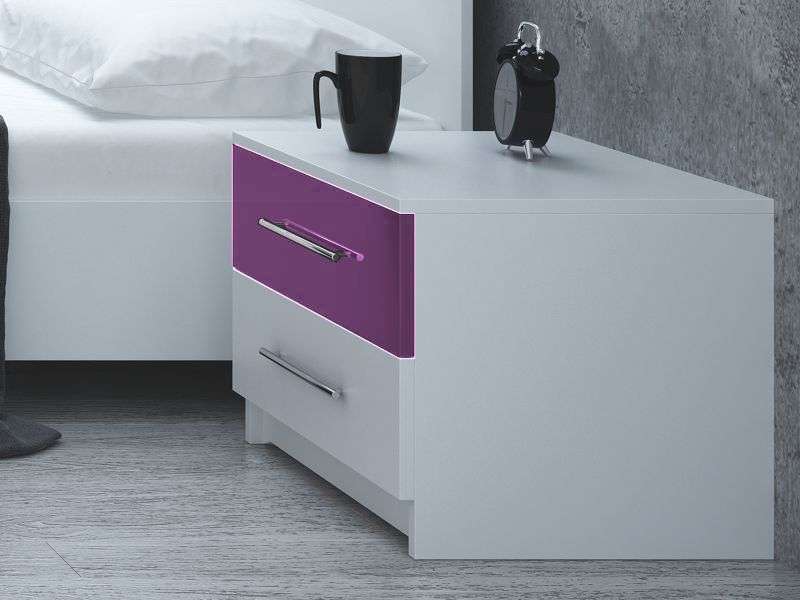
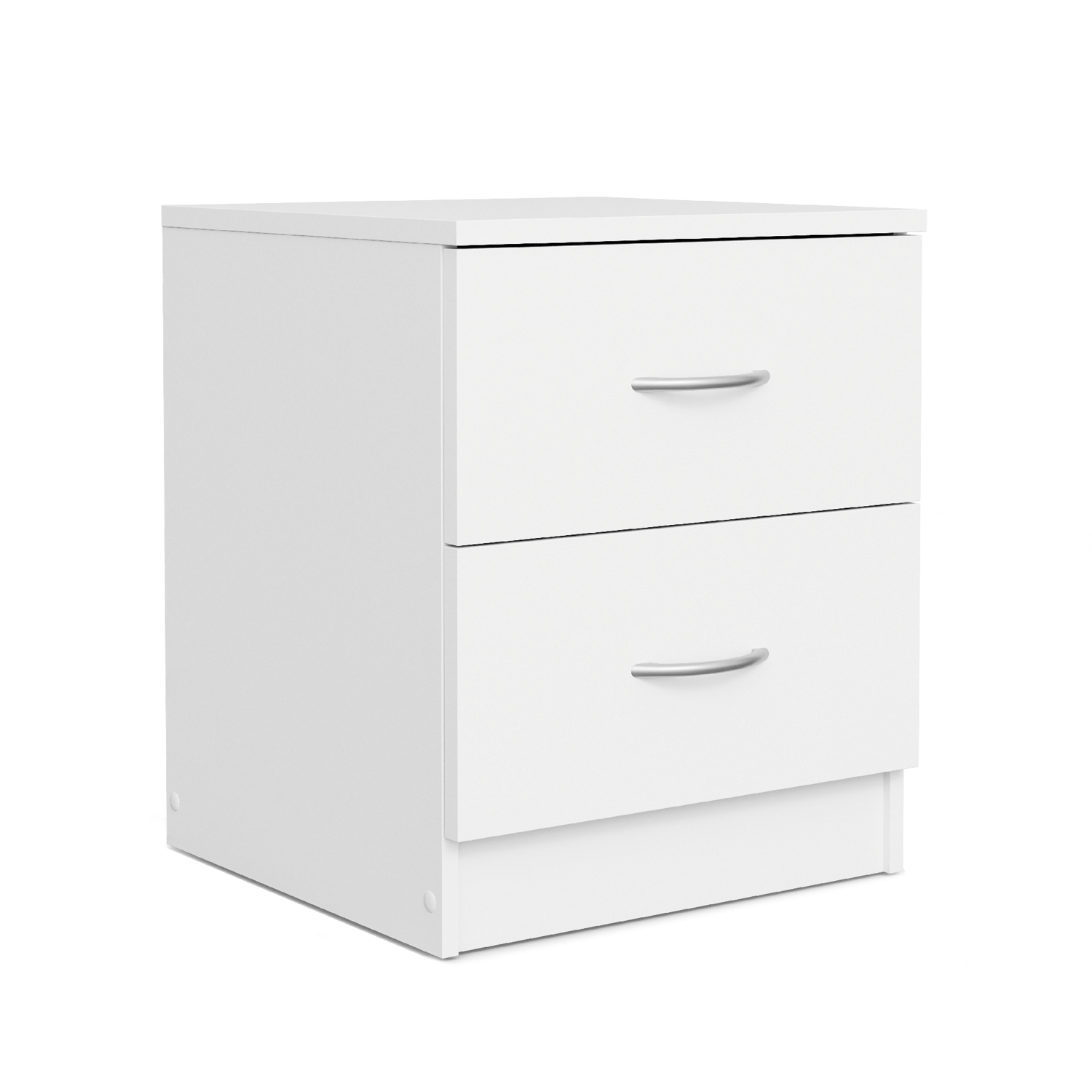
Styling a bedside table is about more than just placing a lamp and calling it a day. It’s a chance to reflect your personal style while enhancing the room’s overall look and feel. Start by considering proportions: a narrow bedside table works well in minimalist interiors, while a white model can brighten smaller rooms and add an airy feel. Incorporate textures and colours that coordinate with your bedding or curtains, and keep functionality in mind. A bedside table with drawer or open shelf offers a place to tuck away clutter while leaving essentials to hand. For a cohesive setup, try pairing matching bedside tables or mix and match different bedroom side tables for a more eclectic charm. Whether your vibe is rustic with a wooden bedside table or contemporary with matte finishes, the right styling brings harmony between design and daily routine. Don’t forget to make it personal — a favourite photo or calming candle can turn your nightstand into a mini sanctuary.
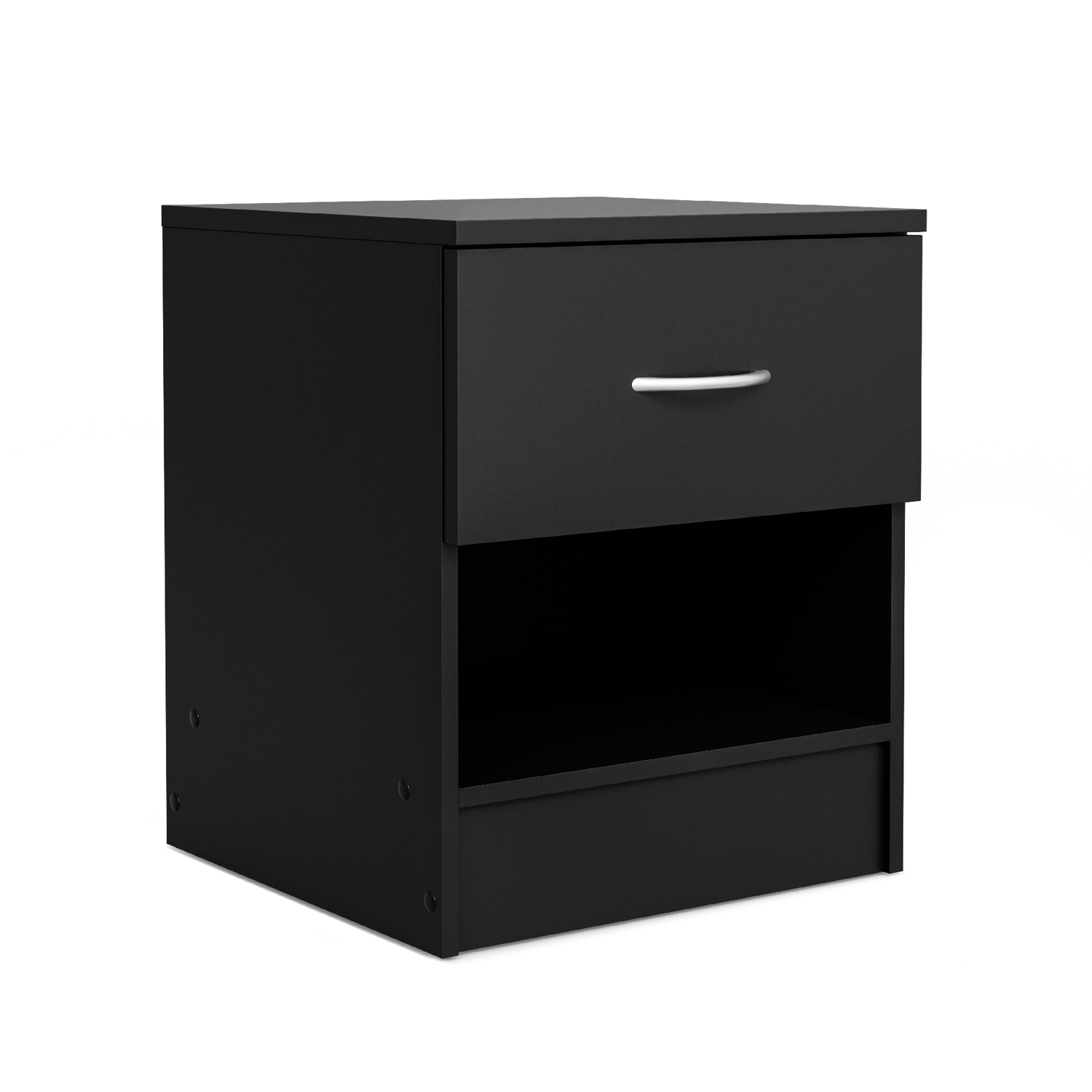
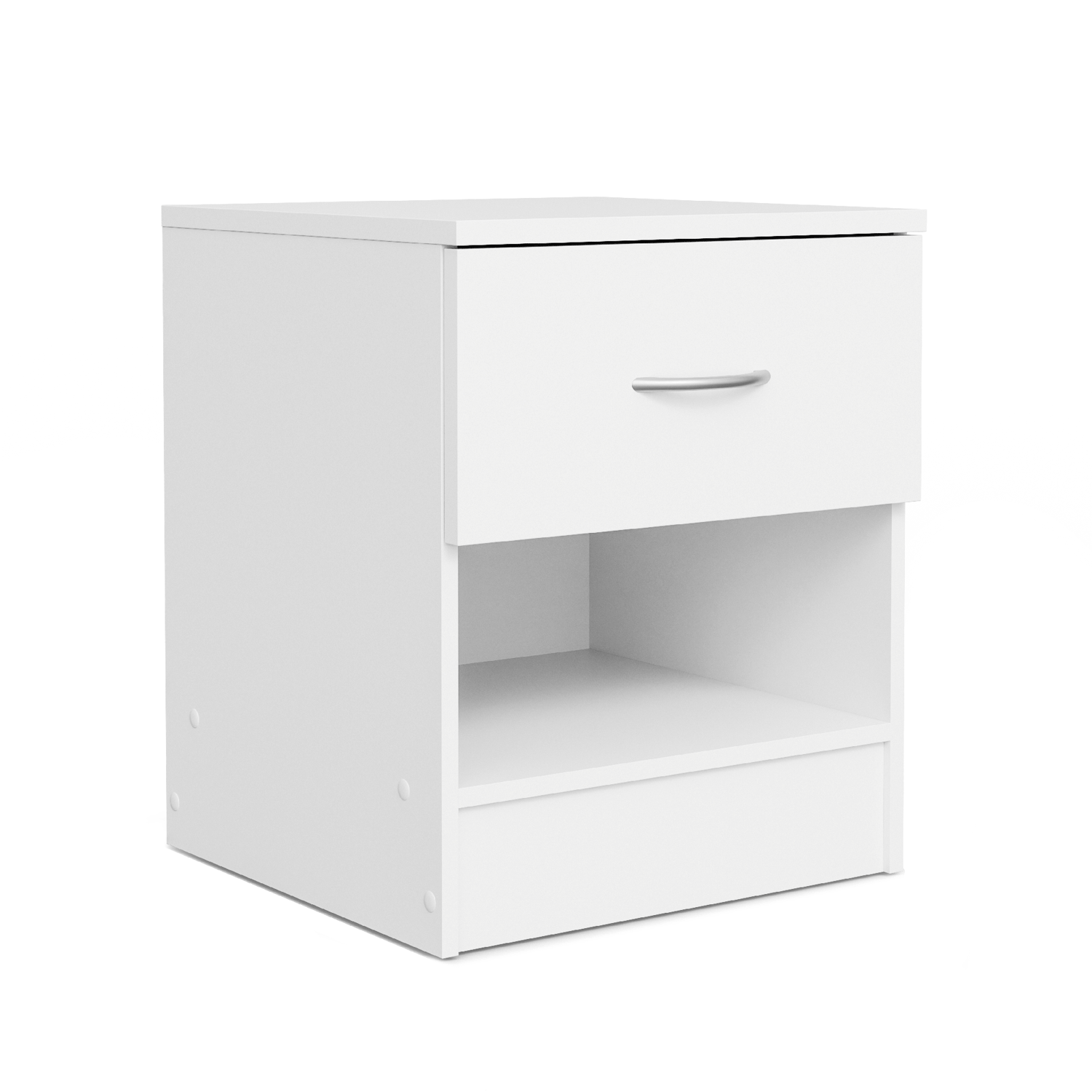
If your night-time routine includes a book, hand cream, reading glasses and perhaps a late-night snack, a bedside cabinet might be just what you need. Unlike a simple side table for the bedroom, a cabinet offers enclosed storage, helping to keep your space neat and your belongings dust-free. With styles ranging from traditional to sleek modern bedside tables, there’s something to suit every taste and room size. A small cabinet with a single drawer might be perfect for a minimalist space, while a large bedside table can double up as extra storage when wardrobes are at capacity. Especially in the UK, where bedroom sizes vary widely, having flexible options like a slim bedside table or narrow one ensures that everyone can enjoy the benefits of clever design. A bedside cabinet isn’t just a storage unit — it’s a practical addition that supports your routine while enhancing your interior. It's no wonder many shoppers turn to multi-functional bedside drawers as a must-have element in a well-planned bedroom.
At Dako, you'll find a carefully curated selection of bedside tables to suit a variety of interiors — from elegant white bedside tables to timeless wooden designs with smart drawer solutions. Whether you prefer modern minimalism or classic charm, our range combines style, functionality and great value in equal measure.
A bedside table should be level with the top of your mattress or up to 5–10 cm lower. This makes it easy to reach items from bed and works well with most bed frames and mattress heights. For more detailed guidance and measuring tips, see our blog: How high should a bedside table be? Your guide to ideal height
Common items include a bedside lamp, alarm clock, phone, and a small tray for everyday essentials like glasses or jewellery. Many people also keep a book or a glass of water within easy reach.
Keep it simple and balanced: use one main item like a lamp, add one or two practical accessories, and leave some clear space. Matching the finish of the bedside table to your bed or other bedroom furniture helps create a cohesive look.
No. Matching furniture creates a coordinated look, but a contrasting bedside table can also work well if its colour, material or style complements the rest of the bedroom.
Drawers are useful for keeping personal items hidden and reducing clutter, while an open shelf provides quick access to books and everyday essentials. Some bedside tables combine both storage types.
While both terms are used interchangeably, a bedside table usually emphasizes an open, minimalist design or slender table legs. A nightstand typically offers more integrated cabinet storage, such as closed drawers or lower doors, to keep personal items out of sight.
For tight sleeping spaces, choose a compact bedside table measuring between 35 cm and 45 cm in width. Wall-mounted floating bedside shelves or models with slender, elevated legs also help free up floor space and maintain an open feel.


