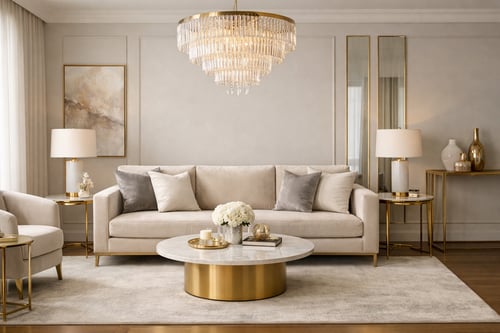
Getting your sofa size wrong creates years of frustration and expensive mistakes! Understanding how to choose sofa size correctly means balancing measurements, aesthetics, and daily functionality. A sofa that's too large overwhelms your space and blocks movement, while one that's too small looks lost and doesn't provide enough seating. This sofa size guide UK covers everything from basic measurements to layout considerations, helping you select furniture that fits perfectly and functions beautifully!
What does the “right sofa size” really mean?
The right sofa size isn't just about physical dimensions – it's about how the piece works within your entire room. A sofa can technically fit through your door and against a wall, but still feel wrong if it blocks pathways or dominates the space visually. Account for coffee tables, side tables, and walking paths around the furniture. The best-sized sofa leaves at least 45-60cm clearance between itself and other pieces, creating comfortable circulation.
Proportion matters more than many people realize. A sofa that consumes more than two-thirds of your wall length will overwhelm the room visually. Consider how the piece relates to your room's scale and other furniture when making your decision.
How to choose sofa size based on your living room layout?
Room layout significantly impacts which sofa size works best. Start by measuring your room's length and width, noting any architectural features like radiators, windows, or alcoves. Draw a simple floor plan including doorways, windows, and existing furniture you're keeping.

Key measurements to take before shopping:
- Room length and width at the widest points
- Distance from proposed sofa location to opposite wall
- Doorway and hallway widths for delivery access
- Space around existing furniture you'll keep
- Window and radiator positions that affect placement
How to choose sofa size for different room shapes?
Different room shapes require different sofa strategies. What works brilliantly in a square room might fail completely in a long, narrow space. Matching your sofa size and style to your specific room shape prevents common layout frustrations.
Small living rooms
Compact spaces benefit from careful sofa selection that maximises seating without overwhelming. 2 seater sofas work beautifully in smaller rooms, providing comfortable seating for couples or small families. Consider apartment-sized options with slimmer arms and shallower depths that save precious centimetres. Choose sofas with exposed legs rather than skirted bases, as this creates visual lightness and makes rooms appear more spacious.
Long and narrow spaces
Narrow rooms present unique challenges that standard sofa arrangements don't solve. Consider positioning your sofa perpendicular to create zones, breaking up the bowling-alley effect. 3 seater sofas often work better than corner units in these layouts. Pair your sofa with slim-profile chairs or ottomans rather than a matching loveseat. Ensure at least 90cm clearance for main walking paths through narrow rooms.
Open-plan layouts
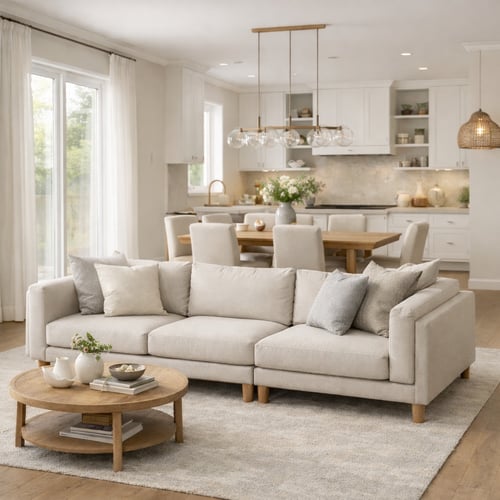
Open-plan spaces allow for larger furniture but require careful zoning. 4 seater sofas or sectionals work brilliantly here, creating natural room divisions between living and dining areas. Position your sofa to define the living zone without blocking sightlines or creating awkward traffic patterns. Consider how the sofa looks from all angles, as open layouts often expose all sides of furniture.
Standard sofa sizes explained
Understanding typical sofa dimensions helps you shop more confidently and communicate clearly with retailers. UK sofa sizes vary between manufacturers, but general ranges help narrow your search.
2-seater, 3-seater, corner sofas, sofa beds
2-seater sofas typically measure 140-180cm wide, perfect for couples or small families. These compact options fit through standard doorways easily and work in rooms as small as 3m x 3m. They provide adequate seating for daily use while leaving space for additional chairs or tables.
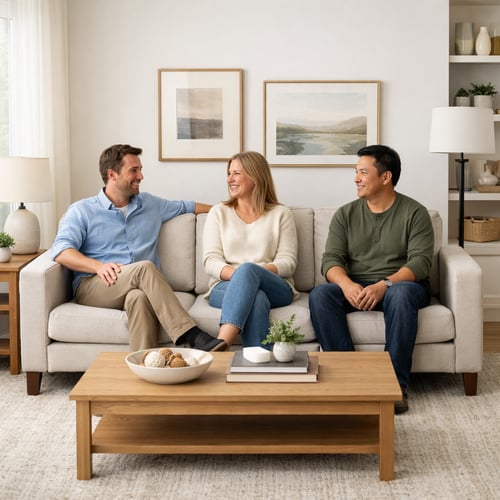
3-seater sofas range from 180-240cm wide, accommodating three adults comfortably. This popular size suits most average living rooms measuring 4m x 3.5m or larger. Three-seaters offer the best balance between seating capacity and space efficiency for many homes.
Corner sofas vary dramatically from compact L-shapes around 220cm x 160cm to expansive sectionals exceeding 300cm x 220cm. These maximise seating in larger rooms, but require careful measurement of both dimensions. Remember that corner sofas need clearance on two walls, not just one.
Sofa beds typically match 2 or 3-seater dimensions when closed but require significant clearance in front to extend into sleeping position. Measure at least 200cm clearance from the sofa to any obstacles to ensure the bed mechanism operates freely.
Depth, height and armrest size - why do they matter?
Sofa dimensions extend beyond just width. Depth affects comfort and floor space – standard depths range from 80-100cm, but deeper sofas around 100-110cm provide more lounging comfort. Height impacts both aesthetics and function. Low-profile sofas (seat height 40-45cm) suit modern aesthetics, while standard heights (45-50cm) work for most people.
Critical dimension considerations:
- Seat depth: 50-60cm for proper thigh support
- Seat height: 45-50cm for average adults
- Back height: 80-100cm for head support
- Armrest height: 60-70cm for comfortable arm placement
- Overall depth: 80-100cm including back cushions
Common mistakes when choosing sofa size
Many people choose sofas based on showroom impressions without accounting for their specific room dimensions. Furniture showrooms have high ceilings and generous floor space that make large sofas look proportionate. The same piece can overwhelm an average-sized living room. Always visualize the sofa in your actual space using measurements and masking tape on your floor.
Typical sizing mistakes to avoid:
- Forgetting to measure doorways and stairwells for delivery
- Choosing based on seating number without checking actual dimensions
- Ignoring depth and focusing only on width
- Failing to account for door swing and walking space
- Not considering how the sofa relates to other furniture sizes
Another common error is buying sofas that match coffee table or rug dimensions too closely. Your sofa should slightly exceed or fall short of these elements rather than matching exactly. This creates visual interest and prevents a boxy, predictable appearance that lacks sophistication.
Final checklist: how to choose sofa size with confidence
Before finalising your purchase, run through these essential checks. Measure your room and doorways accurately, using a metal tape measure rather than estimating. Consider how to measure for a sofa using the two-thirds rule – your sofa's length should be roughly two-thirds your room's width. Test sofas in person whenever possible, sitting in various positions to assess comfort. Understanding how to choose the right sofa for your living room means balancing sofa dimensions with lifestyle needs, creating a space that functions beautifully for years of daily use!
Explore more topics:
Author: Dako Furniture Team