
Creating harmonious bedroom energy doesn't require radical changes or expensive renovations! Understanding bed placement for feng shui helps you arrange your sleeping space for better rest and balanced energy flow. Whether you believe in ancient Chinese principles or simply want a more peaceful bedroom, these practical guidelines work with standard UK room layouts. From avoiding common mistakes to optimising your bed's position, small adjustments can transform how you feel in your space. Discover how to create a bedroom that supports restful sleep and positive energy!
Why does bed placement matter in feng shui?
Bed placement affects both physical comfort and energetic balance in your bedroom. In feng shui philosophy, your bed represents rest, relationships, and personal energy renewal. Poor positioning can create subconscious stress, disturbed sleep, and feelings of vulnerability.
The placement influences how secure and relaxed you feel while sleeping. Beds positioned where you can't see the door create unconscious alertness, preventing deep rest. Proper placement allows your nervous system to fully relax, improving sleep quality naturally.
Signs your bed placement needs adjustment:
- Difficulty falling asleep or frequent waking
- Feeling exposed or vulnerable while in bed
- Relationship tension or restlessness
- Low energy levels despite adequate sleep hours
- Sense of unease when entering the bedroom
What is feng shui and how it applies to your bedroom
Feng shui is the ancient Chinese practice of arranging spaces to harmonise with natural energy flow. The term literally translates to “wind and water” representing how energy (called chi) moves through environments. In bedroom feng shui, the goal is creating spaces that support rest, intimacy, and rejuvenation.
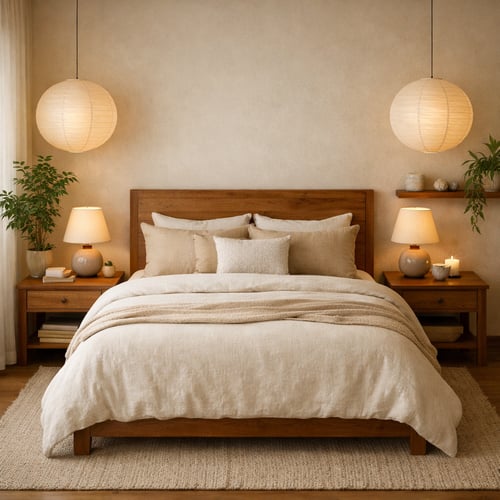
Your bedroom serves as your personal sanctuary where you spend roughly one-third of your life. This doesn't require believing in mystical forces – the practical advice often aligns with common-sense comfort and psychological wellbeing.
The commanding position: where your bed should go
The commanding position places your bed diagonally opposite the door with a clear view of the entrance. This arrangement allows you to see anyone entering while feeling protected by a solid wall behind your headboard. The bed shouldn't align directly with the door or sit under a window, as both create vulnerable energy.
Position your bed as far from the door as possible while maintaining visibility. Ideally, place it against a solid wall with space on both sides for balanced energy and practical access. At Dako Home, our range of beds includes various sizes and styles that work beautifully with feng shui principles, making it easier to achieve the commanding position in your space.
Key elements of proper bed placement:
- Solid wall behind the headboard for support and security
- Clear view of the bedroom door from the bed
- Space on both sides for balanced energy flow
- Distance from the door to avoid direct energy rush
- Avoid positioning under windows or exposed beams
Avoid these feng shui bed placement mistakes
Never place your bed directly in line with the door – this “coffin position” creates rushing energy that disturbs rest. Avoid positioning your bed under windows, which lack the supportive energy of a solid wall. Don't push your bed into corners or against walls on both sides, as this restricts energy flow and creates imbalance. These common mistakes can significantly impact your sleep quality and overall bedroom energy.
Understanding what doesn't work helps you make better placement decisions. Many people unknowingly create these problematic layouts simply due to room constraints or furniture arrangement habits. If your current setup includes any of these issues, prioritise fixing them for immediate improvement.
Common bedroom layout mistakes to avoid:
- Bed aligned directly with the door creating vulnerable exposure
- Headboard positioned under a window without solid support
- Bed pushed into corners with no access on one side
- Mirrors reflecting the bed while you sleep
- Clutter stored underneath the bed frame blocking energy flow
- Feet pointing directly toward the bedroom door when lying down
Feng shui guidelines for bed orientation
Which way should your bed face depends on your personal energy direction and room layout. Traditional feng shui uses your birth year to calculate favourable sleeping directions, but practical considerations often take priority. In UK homes with limited layouts, focus on the commanding position first, then optimise direction within those constraints.
Generally favourable orientations include:
- North promotes calm, restful sleep and career luck
- East supports health, family harmony and new beginnings
- South brings recognition energy but may feel too active for some
- West encourages contentment, creativity, and children's luck
- Avoid northeast and southwest if possible due to conflicting energies
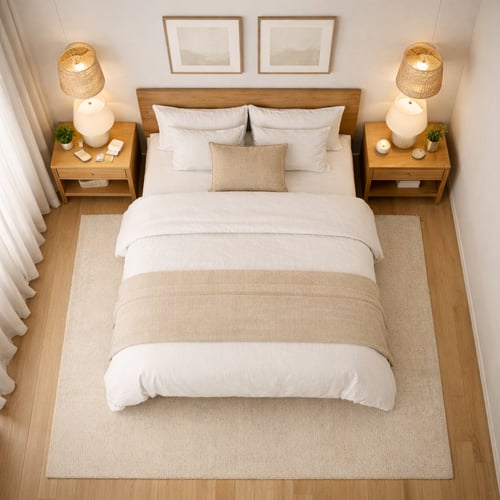
Symmetry and space: creating balance around your bed
Balanced feng shui requires equal space and furniture on both sides of your bed. Matching bedside tables, lamps, and clear pathways create harmonious energy that supports relationships and personal balance. Leave at least 45-60cm on each side for comfortable movement and energy circulation.
Headboards, walls, and structural elements
A solid headboard attached to a wall provides essential support in bed. This represents stability and protection in your personal and professional life. Upholstered or wooden headboards work best, while metal conducts energy differently and may feel less grounding.
Mirrors and feng shui in the bedroom
Mirrors reflecting your bed create restless energy that disturbs sleep in feng shui bedroom design. The reflection symbolises a third party in relationships and prevents energy from settling overnight. Position mirrors where they don't reflect the bed, or cover them during sleep if removal isn't practical.
Practical feng shui tips for everyday sleep quality
Small adjustments create noticeable improvements without major renovation. Remove electronics or position them away from the bed to reduce electromagnetic fields. Keep the space under your bed clear rather than using it for storage, allowing energy to circulate freely. Choose calming colours and natural materials that support rest.
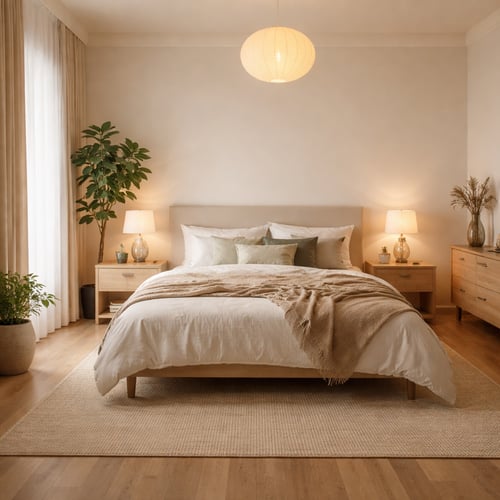
Maintain clean, clutter-free surfaces and peaceful artwork that promotes relaxation rather than activity. Fresh air, appropriate lighting, and comfortable bedding matter as much as positioning. We also offer king size beds in various styles, allowing you to find pieces that work with your room's feng shui while meeting practical needs.
FAQ about bed placement for feng shui
Is it bad feng shui to place a bed under a window?
Yes, beds under windows lack the solid support needed for security and rest. If space constraints require it, use heavy curtains or a substantial headboard to create symbolic protection.
Can a bed face the door in feng shui?
Beds shouldn't directly face the door in the “coffin position.” However, you should see the door from a diagonal position for security without vulnerability.
Does the type of bed frame matter in feng shui?
Bed frames with solid bases and appropriate height support good feng shui. Avoid very low platform beds that restrict energy circulation beneath.
Can storage beds affect feng shui?
Storage beds work if contents remain organised and purposeful. Avoid storing broken items or clutter; neatly organised linens won't significantly impact energy.
Can feng shui bed placement really improve sleep?
Many people report better sleep after repositioning beds according to feng shui principles. The commanding position aligns with human instincts around security, making it worth trying even if you're sceptical!
Explore more topics:
Author: Dako Furniture Team