


Home Ideas
How to choose the right sofa size for your living room
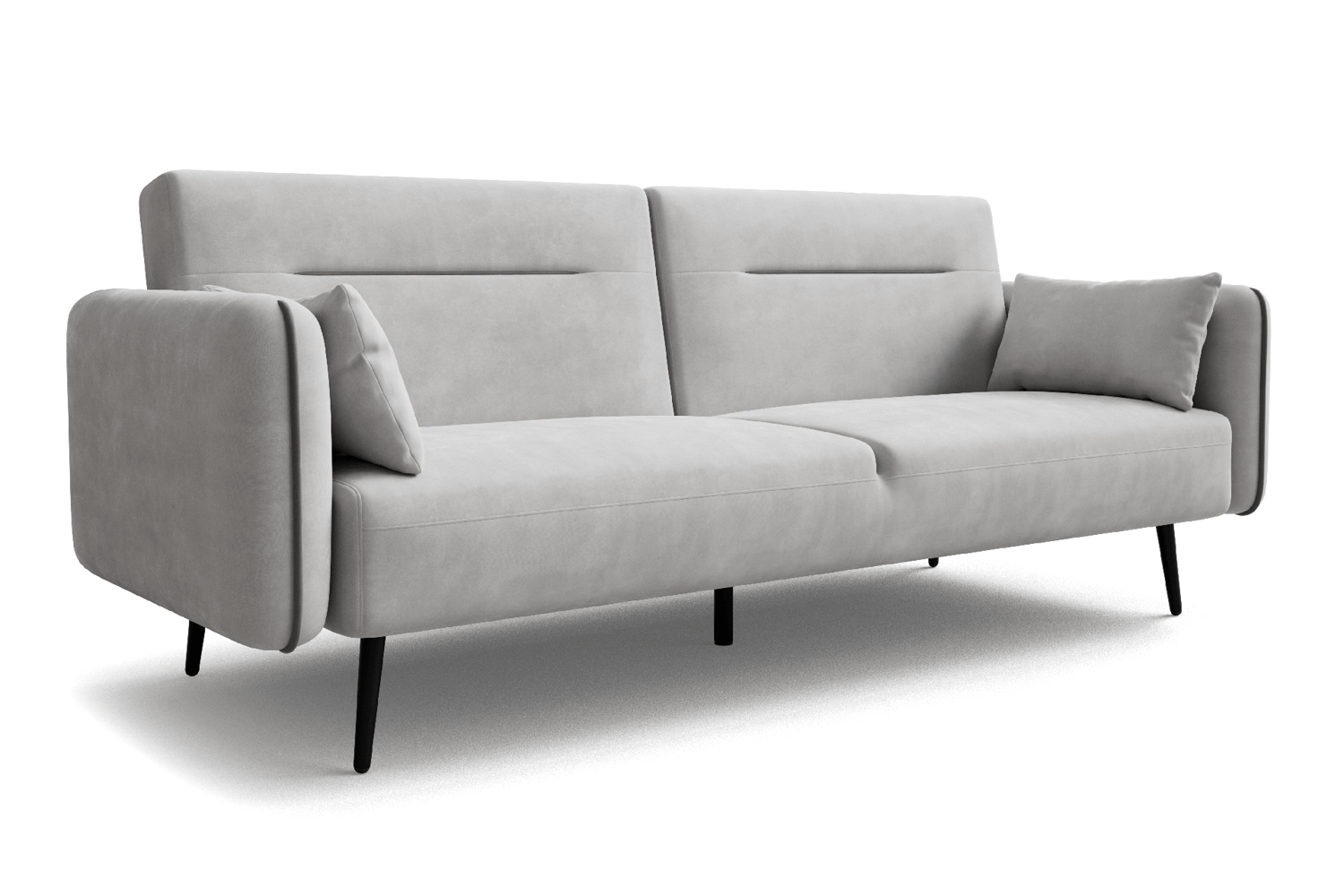

-20% £319.00
£254.99
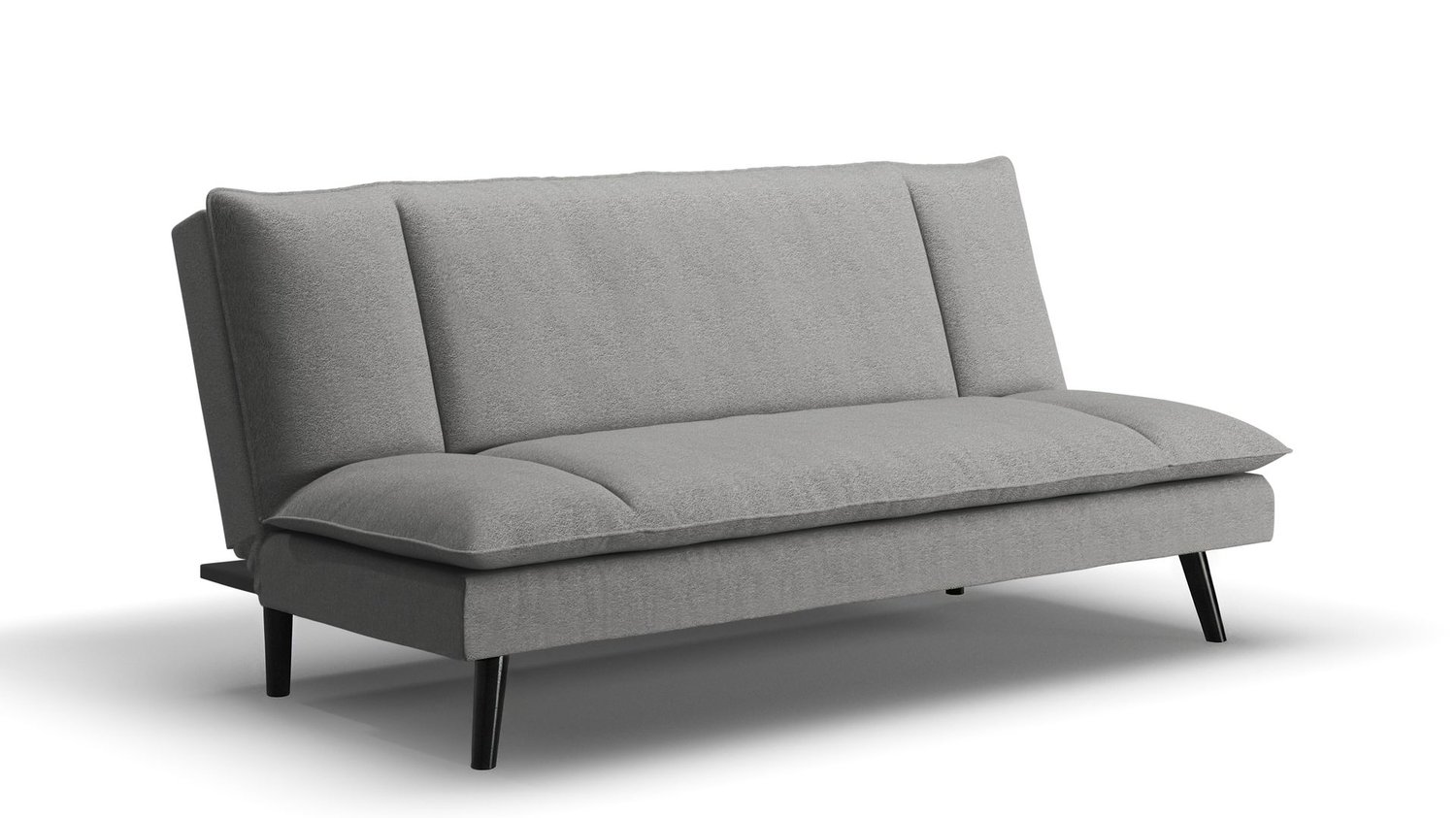

-45% £249.00
£136.99


-60% £279.00
£111.99
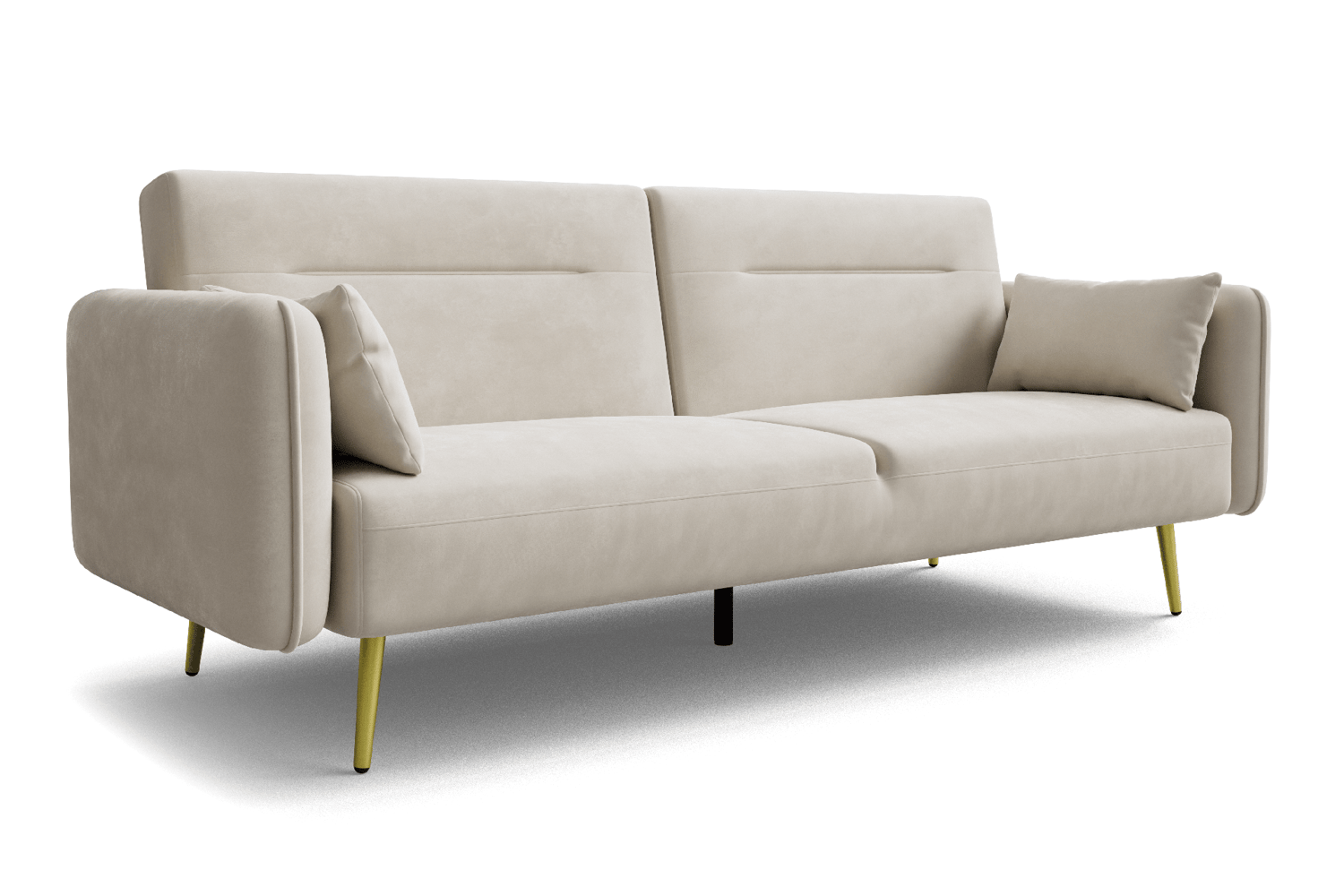

-20% £319.00
£254.99
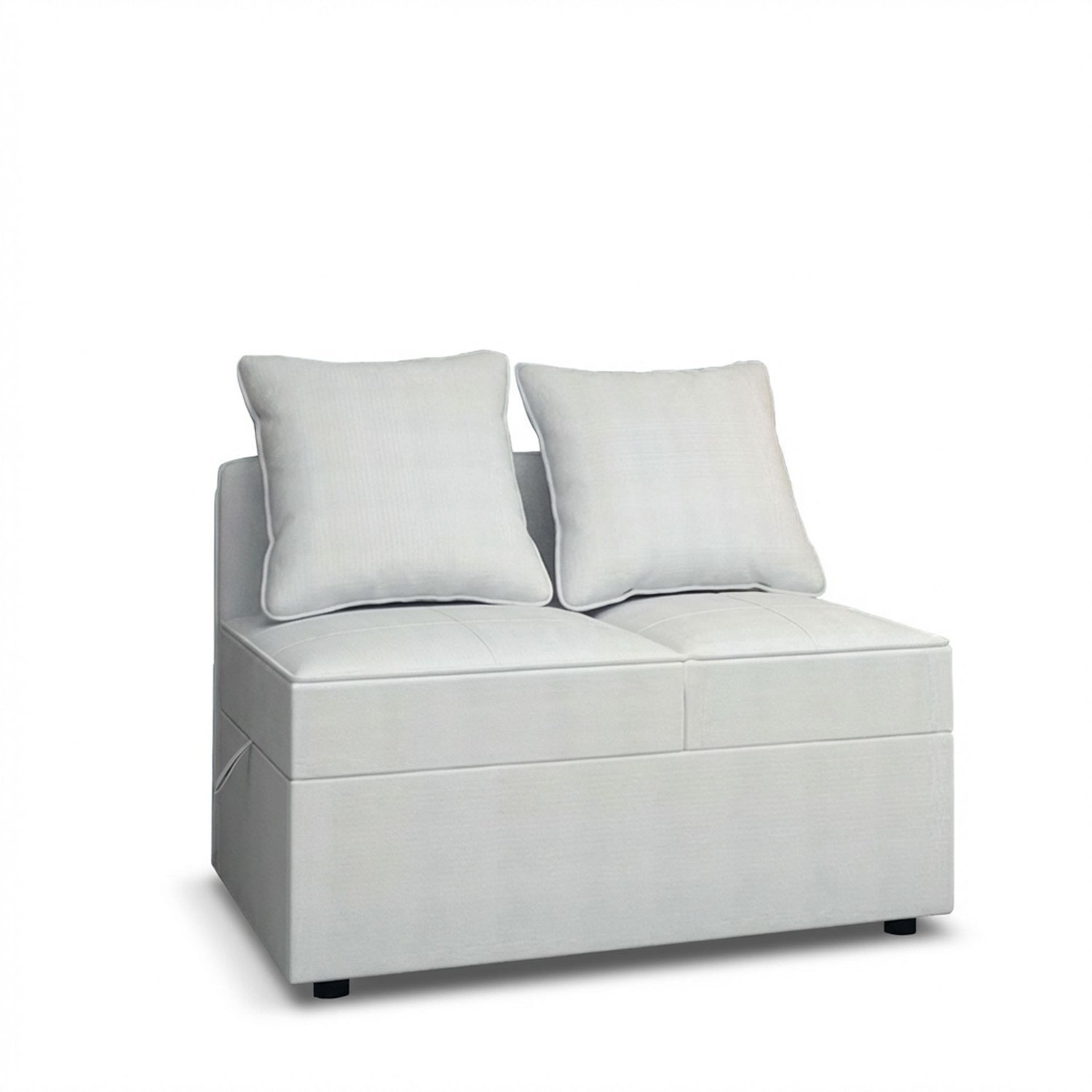

-60% £279.00
£111.99
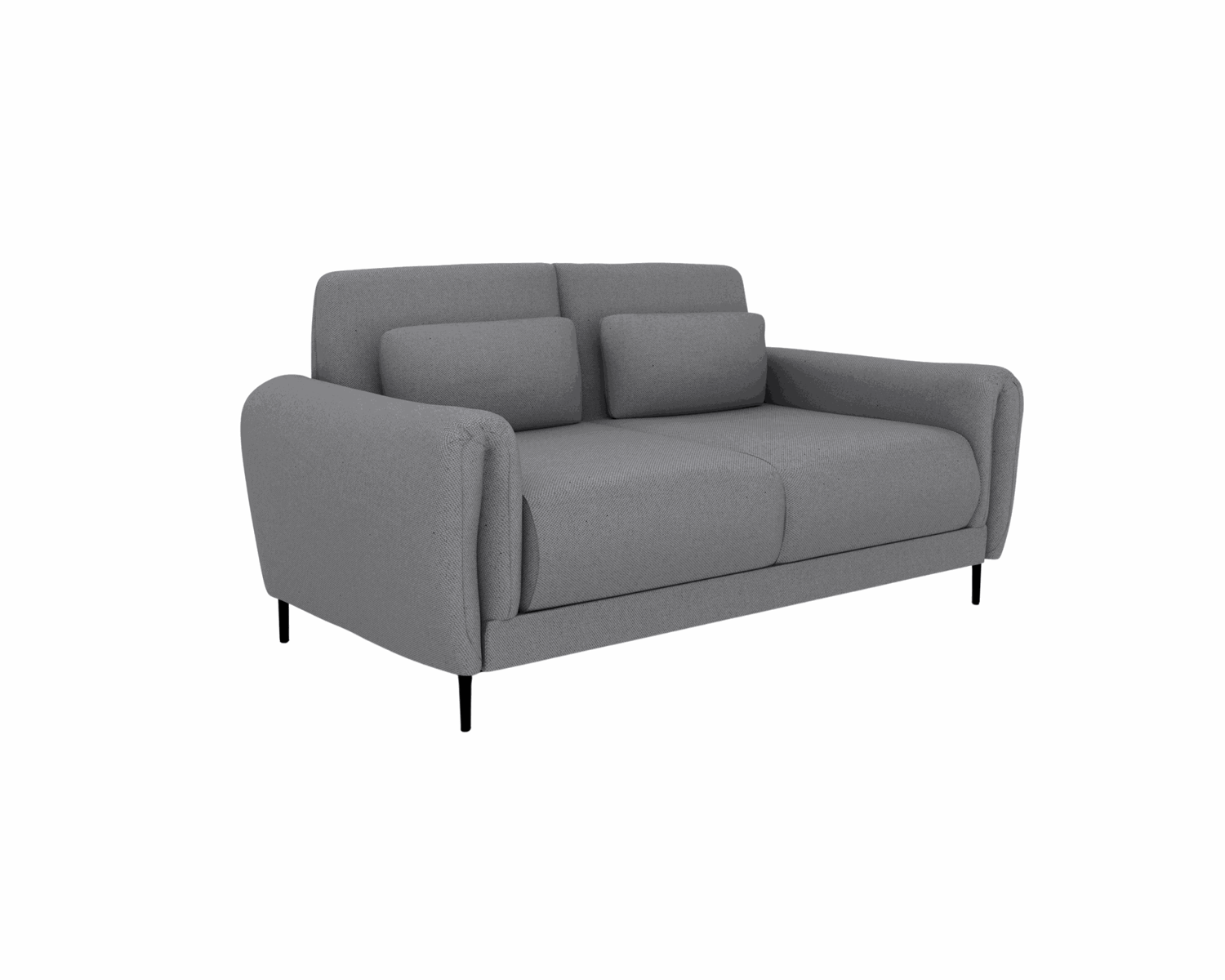
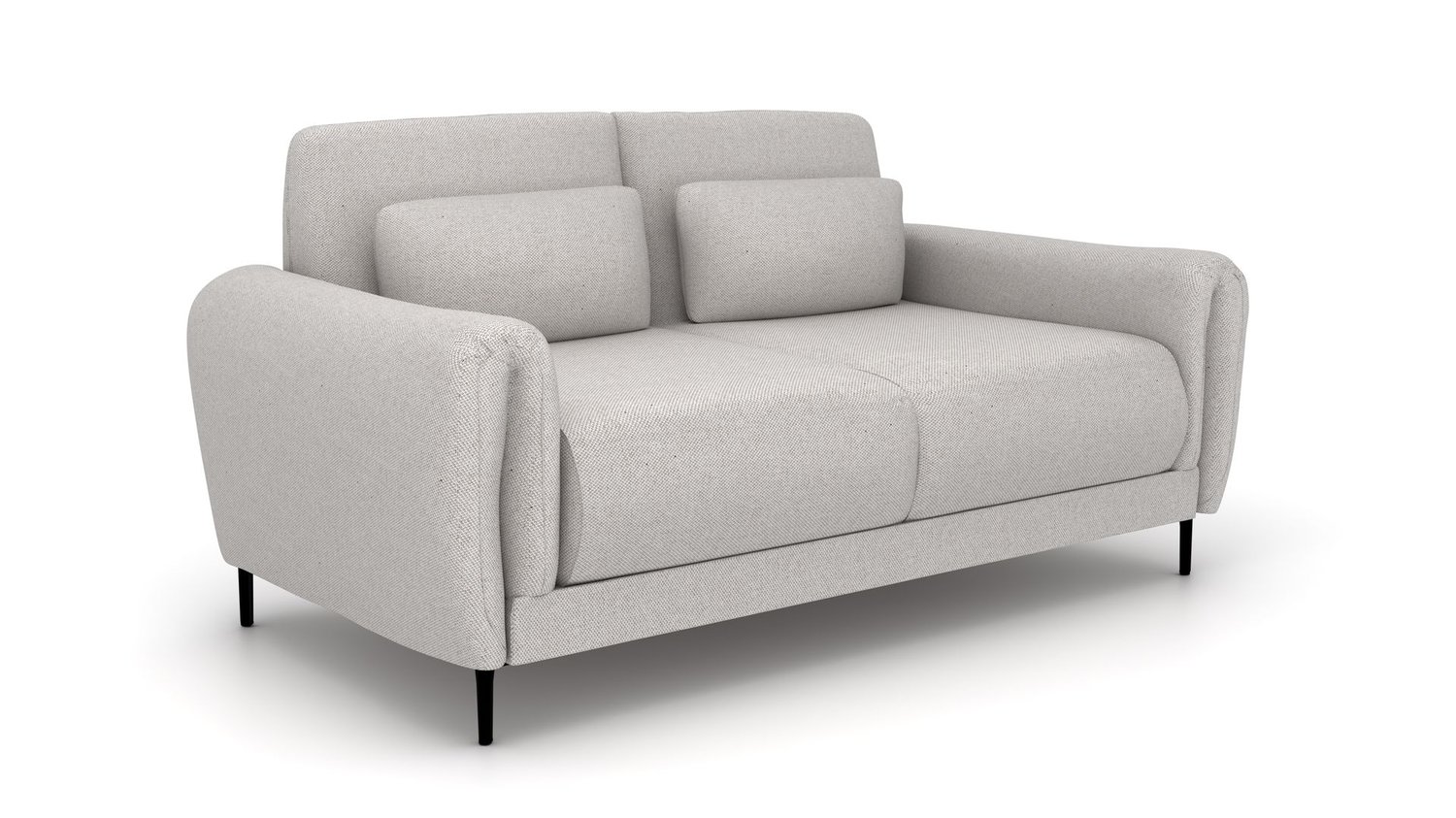
A well-made 2 seater sofa should be a long-term investment, offering everyday comfort without showing wear after just a few months. In the mid-range category, construction quality is key. Look for frames made from solid hardwoods or robust engineered wood, as these materials resist warping and hold joints firmly over time. A good two-seater sofa will also use tension-resistant webbing or high-grade springs beneath the cushions, preventing sagging and helping the seat maintain its shape. For households with frequent use, whether you’re relaxing after work or hosting friends a reliable small 2 seater sofa ensures durability without compromising style.
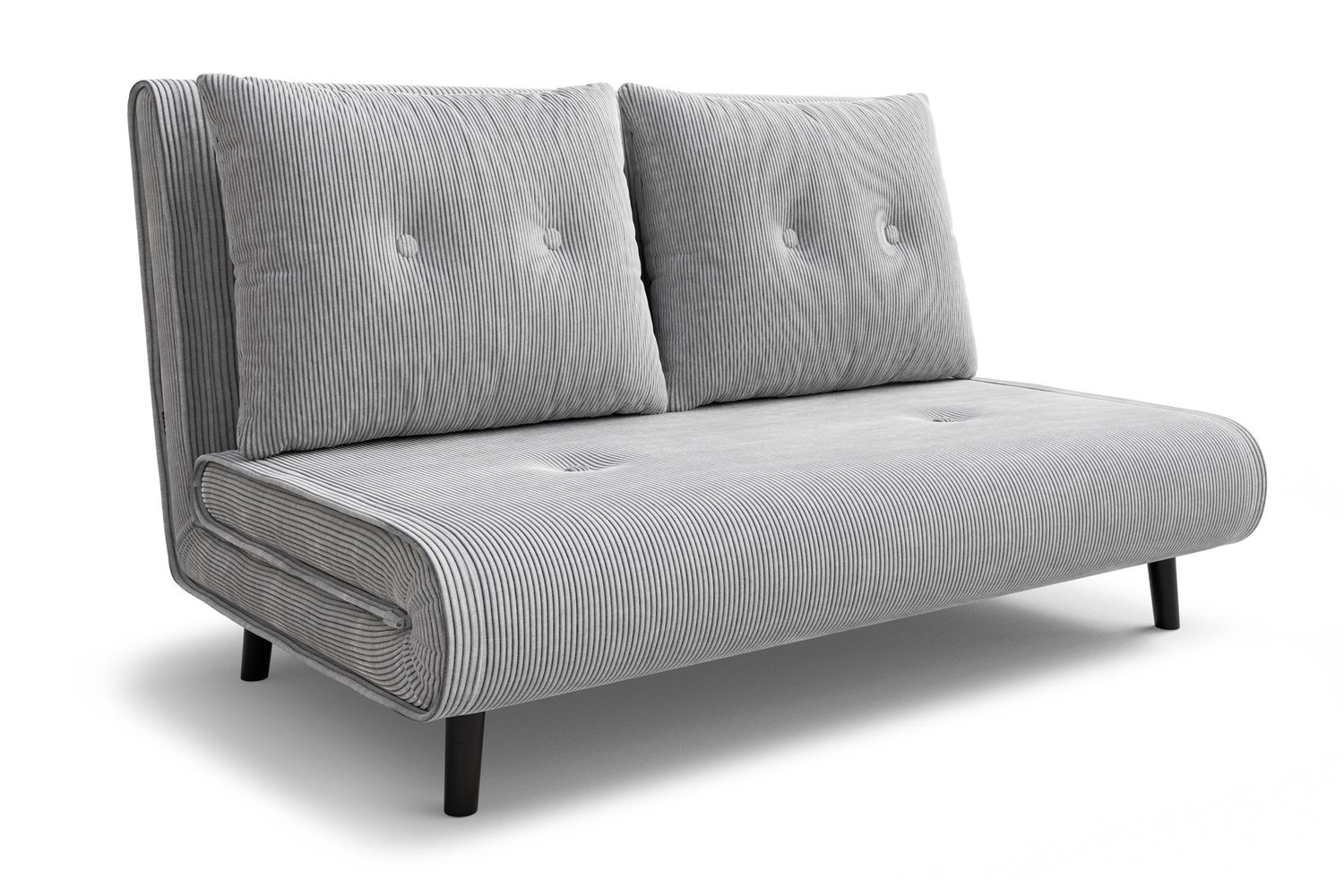
Upholstery is equally important. Hardwearing fabrics like woven polyester, textured blends, or performance materials offer excellent resilience against everyday marks, while velvet and faux leather bring a more refined look with surprisingly easy upkeep. Many 2 seater sofas UK buyers choose feature removable or reversible cushions, extending the life of the sofa by allowing even wear. When a piece is designed with longevity in mind, you can enjoy the comfort and function of your sofa 2 seater for years without worrying about premature ageing or structural issues.
A compact 2 seater sofa is ideal for UK homes where space needs to be managed smartly whether you’re furnishing a small living room, a flat, a guest room, or a multifunctional open-plan area. A small sofa gives you proper seating comfort without overwhelming the layout, making it much easier to maintain a sense of openness and balance. Many buyers searching for small sofas choose this format because it fits neatly against a wall or into a nook while still offering enough room for daily use.
Beyond space-saving, compact sofas also provide flexibility. Their lightweight scale means it’s easier to rearrange your furniture when refreshing your interior or adapting the room for visitors. A compact sofa also pairs naturally with armchairs, footstools, or a corner unit, allowing you to build a coherent seating arrangement over time. If you’re furnishing a rented property or planning for long-term moves, a small 2 seater sofa UK-style gives you a practical option that transitions well into different spaces without feeling temporary or restricting your décor choices.
Some households simply prefer uncluttered interiors. A very small 2 seater sofa adds comfort without interrupting visual flow, especially in minimalist or Scandinavian-inspired schemes. It offers the right balance between function and scale, ideal if you want a cosy seating spot without sacrificing floor space or storage potential.
While sizes vary slightly between brands, most two seater sofas sit comfortably between 140–180 cm in width, making them generous enough for two adults without dominating the room. Depth usually ranges from 80–95 cm, giving you a supportive sit while ensuring the sofa doesn’t protrude too far into the walkway - an important consideration for compact homes. Height often sits between 80–90 cm, although lower-profile models can help achieve a lighter, more contemporary look in smaller spaces.
If you’re considering a compact 2 seater sofa, widths often fall closer to 120–150 cm, which is particularly useful for narrow terraces and small flats. On the other hand, a broader sofa with deeper seats may offer a more lounge-like feel for relaxed evenings. Checking dimensions carefully before purchasing is essential, especially when dealing with staircases, doorframes, or tight hallways. Many UK shoppers also measure existing furniture for comparison, ensuring their new 2 seater couch feels proportionate in relation to coffee tables, shelving units, or media walls.
Start by assessing how the sofa will be used day to day. If it’s your main seating, prioritise support, cushion density, and durable upholstery. For occasional rooms or open-plan layouts, you might focus more on style and balance. When choosing between various small sofas, consider whether you prefer firm, structured cushions or a softer, sink-in feel. Both can be comfortable, but they shape the character of the room differently.
Next, evaluate the shape and design. A streamlined 2-seater sofa with slim arms creates the illusion of more space, making it ideal for smaller living rooms. Models with higher backs offer great posture support, while low-profile silhouettes complement modern interiors. If you need versatility, neutral colours and classic fabrics tend to remain timeless, giving you flexibility when updating décor. Textures like boucle, woven linen-effect, or smooth faux leather can help you match your sofa with other furnishings without overpowering the space.
Finally, think practically. Removable covers are excellent for busy households; raised legs create more visible floor space for a lighter look; and storage-friendly designs help maximise compact rooms. Whichever style you choose, focusing on comfort, proportions and day-to-day practicality will help you find a sofa that feels right at home for years to come.
A typical 2 seater sofa is around 140–180 cm long, depending on the design and arm style. Compact models suit smaller living rooms, while wider sofas offer more seating comfort.
The overall width (depth) of a 2 seater sofa is usually 80–95 cm, measured from the front of the seat to the back. Seat depth itself is often around 50–60 cm, which affects how upright or relaxed the sofa feels.
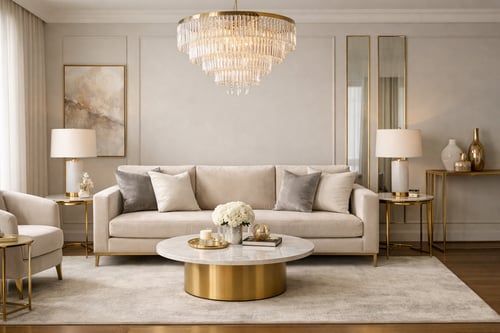
For a balanced look, place two main seat cushions evenly and add 2–3 smaller scatter cushions in the corners. Keep the arrangement simple, so the sofa stays comfortable and doesn’t feel overcrowded; for more tips, see our blog article: How to style cushions on a sofa: simple tricks for a cosy look
Start by measuring the available space and checking the sofa’s width and depth. A 2-seater sofa works well in compact rooms, a 3-seater suits many standard living rooms, while a 4-seater is better for larger spaces and households.
A 4-seater sofa is a good choice if you have a larger living room, a bigger household or regularly entertain guests. It can also work well as the main seating piece in an open-plan living area.
Yes, provided the proportions work with the room. Measure the sofa carefully and leave enough space for walkways, doors and other furniture before buying.
One large sofa creates a simple, unified seating area and can be more space-efficient. Two smaller sofas offer greater flexibility and can work well in larger or more symmetrical living room layouts.
Leave enough room for comfortable movement around the sofa, especially along main walkways. Around 60–90 cm of clearance is a useful guideline where the room size allows.
You should leave approximately 40 cm to 45 cm of space between the front edge of your sofa cushions and the coffee table. This distance provides ample legroom and allows comfortable movement while keeping drinks and books within easy reach.


