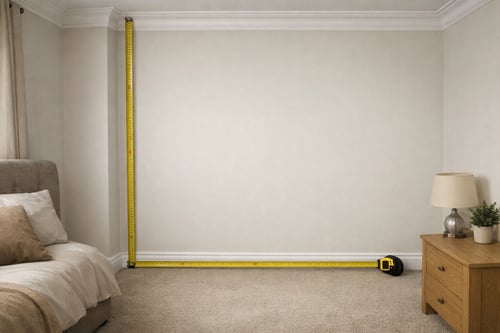
Choosing the perfect wardrobe starts with accurate measurements – get them wrong, and you'll face delivery headaches or cramped bedroom spaces! Understanding how to measure for a wardrobe correctly saves time, money, and frustration. From floor space to ceiling height, each dimension affects whether your new furniture fits comfortably and functions properly. This wardrobe measurement guide UK covers everything you need to know before making your purchase, ensuring your investment works perfectly in your space.
How to measure a wardrobe step by step?
Accurate measuring prevents expensive mistakes and ensures smooth delivery. Take your time with each measurement, checking figures twice before finalising any purchase. Use a metal tape measure rather than fabric versions that can stretch and give inaccurate readings. Write down all measurements immediately – relying on memory leads to errors.
Step 1 – Measure the available floor space
Start by measuring the width of the wall where the wardrobe will sit. Measure at floor level, as walls aren't always perfectly straight. Note any alcoves, chimney breasts, or awkward corners that affect placement. Record the depth available from the wall outward, considering how far the wardrobe can project into the room without blocking pathways.
Key floor measurements to take:
- Wall width at the proposed location
- Distance from wall to the nearest furniture or obstruction
- Depth available without blocking circulation
- Any alcove or recess dimensions
- Floor-level obstacles like skirting boards
Step 2 – Check ceiling height and any obstacles
Measure from floor to ceiling at several points along the wall, as ceilings can slope or vary in older properties. Account for ceiling fixtures like lights, smoke alarms, or decorative features that might interfere with tall wardrobes. Consider picture rails, coving, or cornicing that reduce usable height.
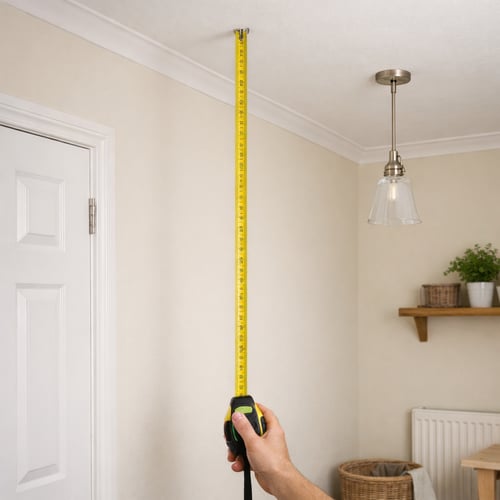
Standard UK ceiling heights range from 2.3m in older properties to 2.4m in newer builds. Measure your specific room rather than assuming standard dimensions. If installing a wardrobe in a loft conversion or room with sloped ceilings, measure at multiple points to find the maximum usable height.
Step 3 – Measure clearance for doors and drawers
Hinged wardrobe doors need adequate swing space to open fully. Measure outward from the wardrobe location to ensure at least 50-60cm clearance for comfortable access. Check that opening doors won't hit beds, radiators, or other furniture. This wardrobe dimensions consideration is crucial for daily functionality.
Door and drawer clearance checklist:
- Measure minimum 50cm clearance for hinged doors
- Check door swing won't block room entry
- Ensure drawers can extend fully without obstruction
- Consider furniture placement when doors are open
- Account for person standing in front when accessing
Step 4 – Consider walking space and access routes
Allow at least 60cm between the wardrobe and any beds or furniture for comfortable movement. This space lets you walk past easily and access the wardrobe without squeezing. Measure doorways, hallways, and staircases the wardrobe must pass through during delivery – many large wardrobes come flat-packed for this reason.
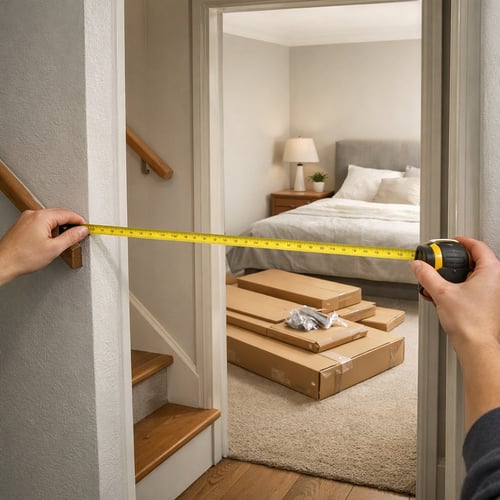
Consider how the wardrobe will be assembled in situ. Some rooms have adequate floor space but tight access routes. Measure the narrowest point along the delivery path, including door frames, stairwell widths, and any tight corners. Flatpack options solve access issues but require assembly time and space.
Measuring for different types of wardrobes
Each wardrobe style has specific measuring requirements. Understanding these differences helps you choose the right type for your space and needs.
How to measure for a freestanding wardrobe
Freestanding wardrobes offer maximum flexibility for placement and future rearrangement. Measure the exact spot where the wardrobe will stand, allowing 2-3cm clearance at the back for cables or uneven walls. Check if the wardrobe has feet or stands flat on the floor, as this affects the footprint.
Account for skirting boards that might prevent the wardrobe sitting flush against the wall. Some wardrobes include adjustable feet to handle uneven floors or work around skirting. At Dako, our freestanding wardrobes come in various widths and depths, making it easier to find pieces that fit your specific measurements without requiring custom solutions.
How to measure for a sliding-door wardrobe
Sliding doors eliminate the need for door swing clearance, making them ideal for compact rooms. Measure the width available, remembering that sliding doors overlap when open, so you can't access the full width simultaneously. Standard sliding door wardrobes typically have 2-3 doors, with each section accessible when its door slides across.
Sliding wardrobe measurement priorities:
- Total width required for the wardrobe frame
- Depth including door track projection
- Height from floor to ceiling or desired top
- Wall flatness where the wardrobe will sit
- Any obstacles preventing smooth door sliding
How to measure for a built-in or fitted wardrobe
Built-in wardrobes maximise awkward spaces like alcoves or sloped ceilings. Measure at multiple points across the width and height, recording the smallest dimensions, as these determine the maximum wardrobe size. Note any pipes, electrical outlets, or architectural features within the space.
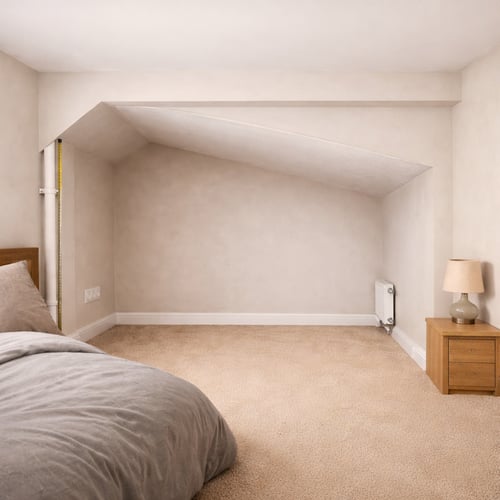
Professional fitting often works best for built-in options, as installers can adjust for uneven walls or floors. Provide detailed measurements of the entire space, including depth at various heights if dealing with sloped ceilings. Custom-fitted solutions cost more but utilise every centimetre of available space efficiently.
Extra tips for choosing the right wardrobe size
This wardrobe size guide UK highlights practical considerations beyond basic measurements. Think about your storage needs and how they might change. A wardrobe that seems adequate now might feel cramped in a year if your clothing collection grows.
Internal configuration matters as much as external dimensions. Wardrobes with adjustable shelves and hanging rails offer more versatility than fixed layouts. Consider your storage habits – if you fold most clothes, prioritise shelf space over hanging rails. Shoe collectors need dedicated bottom sections or pull-out racks.
Smart sizing considerations:
- Choose depth of at least 55-60cm for standard hanging space
- Allow 10cm height clearance above tallest hanging items
- Consider double hanging rails for shirts and trousers
- Account for seasonal clothing rotation needs
- Think about accessibility for all household members
Door style significantly affects room space requirements. Hinged doors need clearance but allow full wardrobe access when open. Sliding doors save space but limit simultaneous access to all sections. Mirrored doors add functionality by eliminating the need for separate mirrors while making rooms feel larger.
Getting it right: your perfect wardrobe fit
Understanding how to measure your room for a wardrobe ensures you select furniture that fits perfectly and functions beautifully. Take your time measuring carefully, and don't hesitate to measure twice to confirm accuracy. Consider not just whether a wardrobe physically fits, but whether it allows comfortable daily use with adequate circulation space. The Dako team designs bedroom furniture with real UK homes in mind, offering sizes and styles that work in various room dimensions while maximising storage potential.
Explore more topics:
Author: Dako Furniture Team