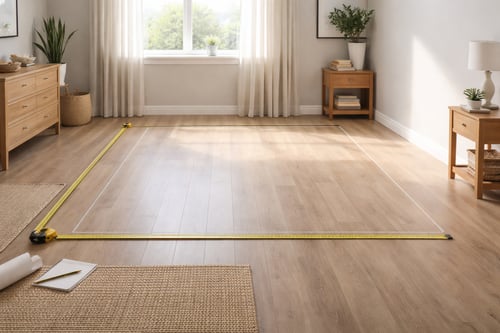
Getting bed measurements wrong leads to expensive mistakes and frustrating returns. Understanding how to measure a bed correctly saves time, money, and stress when upgrading your bedroom furniture. The right measurements ensure your new bed fits comfortably while leaving space to move around freely. From doorway widths to ceiling heights, several factors determine whether a bed works in your space. This practical bed measurement guide walks through everything you need to know before making your purchase.
What are the typical dimensions of a bedroom?
UK bedroom sizes vary significantly depending on property age and type. Modern homes built after 2010 typically feature larger bedrooms than older properties. A standard double bedroom measures around 3.6m x 3.3m (roughly 12ft x 11ft), providing adequate space for a double bed and basic furniture. Master bedrooms in newer builds often reach 4m x 3.5m or larger, easily accommodating king or super king beds.
Smaller bedrooms in Victorian terraces or converted flats might measure just 3m x 2.5m, where only single or small double beds fit comfortably. Period properties often have awkward layouts with alcoves, chimney breasts, or sloped ceilings that affect usable floor space. Always measure your specific room rather than assuming standard dimensions, as variations are common even within the same property.
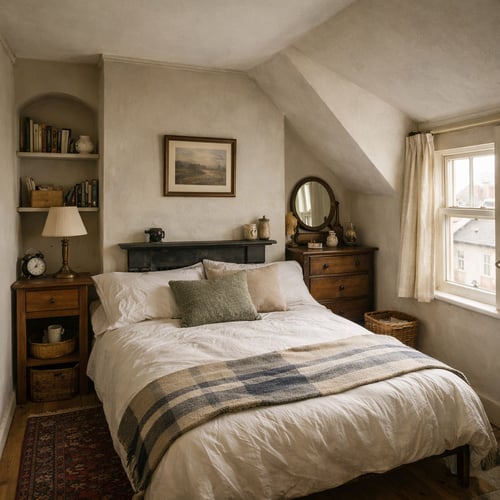
Room features that impact bed placement:
- Radiators and heating vents
- Windows and natural light sources
- Built-in wardrobes or storage
- Door swing direction and clearance
- Electrical outlets and light switches
How much room should you leave around a bed?
Comfortable movement requires adequate clearance on all sides. Leave at least 60-70cm (24-28 inches) on each side of the bed for easy access and making up sheets. This space allows you to walk around comfortably without squeezing through tight gaps. If space is limited, prioritise the side you use most frequently for getting in and out.
The foot of the bed needs similar consideration. Allow 60cm minimum between the bed and any furniture, walls, or doorways. This clearance prevents stubbed toes and makes vacuuming easier. In smaller rooms, consider how the door opens – beds blocking door swing create daily frustration. Measure the door's full arc to ensure it doesn't hit the bed frame when opened.
How to measure a bed correctly
Start by measuring your room's length and width at floor level using a tape measure. Note these dimensions on paper, including any alcoves or irregular shapes. Measure doorway width and height, remembering to account for door frames that reduce the opening size. Don't forget ceiling height if considering four-poster or tall headboard designs.
When learning how to measure for a bed frame, include the mattress, frame, and headboard in your calculations. Frames add 5-15cm to each dimension, depending on style. Upholstered beds with thick padding consume more space than simple platform designs. Measure existing furniture you plan to keep, ensuring everything fits together harmoniously.
Step-by-step measuring process:
- Clear the room as much as possible for accurate measurements
- Measure room length and width at the widest points
- Record doorway dimensions including frame depth
- Check clearance for moving furniture up stairs or through hallways
- Measure distance from walls to radiators or other fixtures
- Note ceiling height if considering tall headboards
- Add 60-70cm clearance to bed dimensions for walking space
What bed sizes are available in the UK?
This bed size guide standard covers the most common dimensions. Single beds measure 90cm x 190cm (3ft x 6ft 3in), perfect for children's rooms or compact guest bedrooms. Small doubles at 120cm x 190cm (4ft x 6ft 3in) suit teenagers or single adults wanting extra space without committing to a full double.
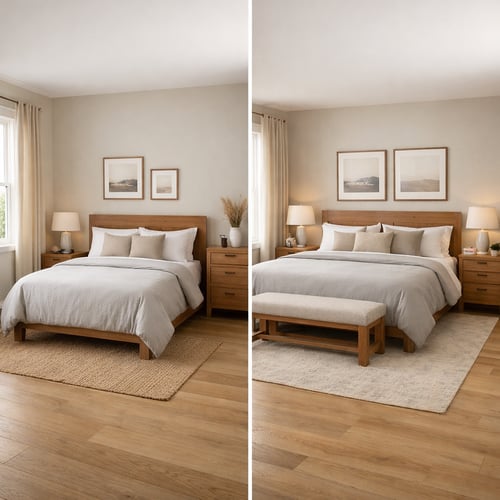
Double beds typically measure around 144-146cm x 204-207cm, fitting most average bedrooms while accommodating couples comfortably. This size remains the UK's most popular choice for its practical dimensions and versatility. King size beds range from 159-161cm x 214-217cm, offering generous space for couples who want more room or taller individuals needing extra length.
Super king size beds represent the largest standard UK size, typically measuring 180-191cm x 214-217cm. These luxurious options suit spacious master bedrooms, providing ultimate comfort for couples. We stock a wide selection across all sizes, with various frame styles and dimensions to perfectly match your space and preferences.
UK bed sizes explained:
- Single: 90cm x 190cm - ideal for kids and small rooms
- Small Double: 120cm x 190cm - compact couple or single adult
- Double: 135cm x 190cm - standard couple size
- King: 150cm x 200cm - spacious for couples
- Super King: 180cm x 200cm - luxury master bedroom
Practical tips for bed frame measurement
Bed frame measurement tips extend beyond just dimensions. Consider the bed's height, especially if mobility issues are relevant. Standard bed height sits around 55-60cm from floor to mattress top, but this varies significantly. Low platform beds suit modern aesthetics, but make getting up harder for some people. Higher beds with storage underneath require more vertical clearance.
Factor in bedside furniture dimensions when planning your layout. Bedside tables should sit slightly lower than the mattress top for comfortable reach. Allow 5-10cm between bed frame and table for tucking in bedding. If your room barely accommodates the bed size you want, consider wall-mounted shelves or pendant lights instead of floor-standing bedside tables.
Making your final decision
Understanding how to measure your room for a bed prevents costly mistakes and ensures comfortable daily use. Take time to measure carefully, account for all clearances, and visualise how the space will function. At Dako, our range of beds includes sizes from single to super king, helping you find the perfect fit for your space and needs. Remember that a bed slightly smaller than your maximum measurement often creates a more comfortable, less cramped bedroom than cramming in the largest size possible!
Explore topics:
Author: Dako Furniture Team