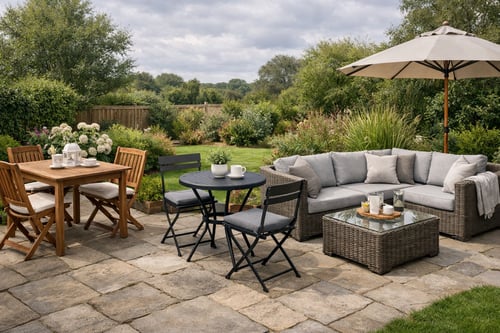
Choosing the best garden furniture for UK weather means selecting materials that withstand rain, cold snaps and unexpected sunshine without constant maintenance. British weather tests outdoor furniture relentlessly - what looks stunning in May can deteriorate dramatically by October without proper material selection. Wooden, metal and rattan options each handle UK conditions differently, offering distinct advantages and challenges. Discover which option truly delivers year-round performance!
Understanding UK weather and outdoor furniture
British weather's unpredictability makes selecting appropriate garden furniture challenging. Unlike Mediterranean climates with consistent sunshine, UK weather shifts constantly - your furniture might face heavy rain on Monday, bright sunshine Tuesday, then cold winds by Friday. This constant variation means outdoor furniture needs to handle multiple stress factors simultaneously rather than adapting to predictable seasonal patterns.
What makes UK weather tough on garden furniture
UK conditions combine multiple challenges simultaneously. High humidity levels promote mould growth and material degradation, whilst frequent rain saturates furniture and temperature fluctuations cause materials to expand and contract repeatedly.
Weather factors affecting outdoor furniture:
- Persistent moisture from frequent rain and morning dew
- Temperature swings between seasons and even daily
- UV radiation during peak summer months
- Salt air in coastal regions accelerating corrosion
UV exposure during summer months fades colours and weakens certain materials, whilst winter frost can crack inadequately protected surfaces.
Key factors to consider before you buy
Material durability determines how well furniture withstands these conditions. All weather garden furniture should resist moisture penetration, maintain structural integrity through temperature changes and resist UV degradation. Storage availability matters significantly - if you can store furniture during winter, more delicate materials become viable, but the best garden furniture to leave outside year-round requires superior weather resistance without protective covers.
Wooden garden furniture
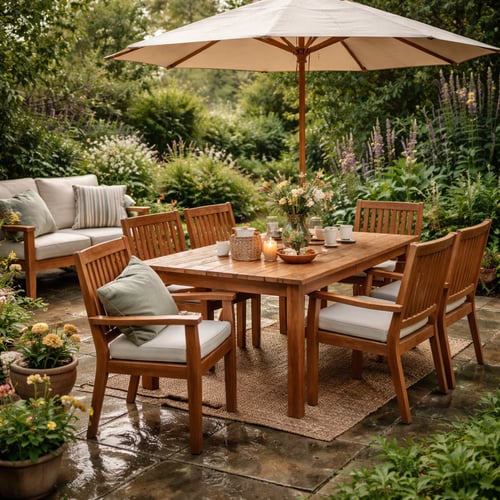
Wooden furniture brings natural warmth and timeless elegance to gardens. Its organic appearance complements planting beautifully, creating cohesive outdoor spaces that feel established and inviting. However, wood requires more attention than alternative materials to maintain appearance and structural integrity throughout the seasons.
Pros of wooden furniture in UK conditions
Quality hardwoods offer excellent durability when properly maintained. Wood's natural flexibility allows it to accommodate temperature fluctuations without cracking, whilst wooden furniture ages gracefully, developing attractive patina over time.
Wooden furniture advantages include:
- Natural aesthetic that complements gardens beautifully
- Substantial feel providing stability in windy conditions
- Repairable through sanding and refinishing
- Sustainable option when sourced responsibly
Cons and challenges
Wood demands regular maintenance to prevent deterioration. Without proper treatment, moisture causes warping, splitting and rot, whilst untreated wood becomes susceptible to insect damage and mould growth. Wooden furniture's substantial mass also makes rearranging layouts difficult and complicates storage.
Best wood types for UK gardens
Hardwoods like teak, oak and eucalyptus handle UK weather best. Teak contains natural oils making it exceptionally water-resistant without treatment, whilst oak offers impressive durability and ages beautifully. Softwoods like pine need significant treatment to survive outdoors and typically deteriorate faster than hardwoods.Metal garden furniture
Metal furniture offers sleek, contemporary aesthetics suited to modern gardens. Its durability and low maintenance requirements make it popular amongst homeowners seeking practical solutions. Metal types vary significantly in weather performance, so understanding these differences helps you select appropriately for your specific garden conditions.
Why metal is a popular choice
Metal furniture withstands UK weather remarkably well when properly manufactured. It resists warping, rotting and insect damage that affect wooden alternatives, whilst modern powder-coated finishes provide excellent UV and moisture resistance.
Key benefits of metal garden furniture:
- Lightweight designs that remain stable in wind
- Easy cleaning with simple wipe-down maintenance
- Long-lasting colour vibrancy through multiple seasons
- Structural strength allowing elegant, slim profiles
Aluminium vs steel: which handles UK weather better?
Aluminium naturally resists rust, making it ideal for weatherproof garden furniture applications. Its lightweight nature simplifies rearrangement and storage whilst maintaining surprising strength. Steel offers greater strength and stability but requires protective coatings preventing rust, with stainless steel providing excellent corrosion resistance at higher cost.
Maintenance tips for metal furniture
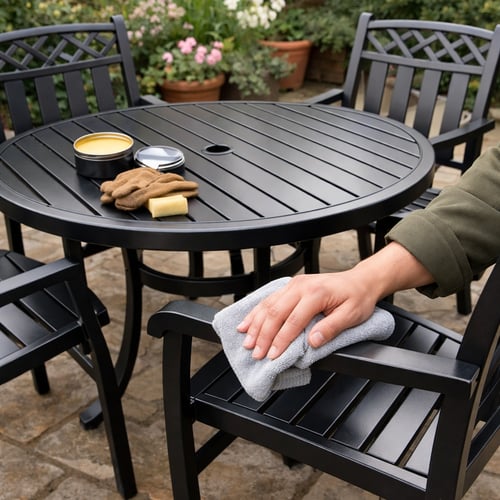
Regular cleaning prevents dirt accumulation that can trap moisture against protective coatings. Inspect furniture annually for coating damage, touching up any scratches or chips promptly to prevent rust development. Apply automotive wax to powder-coated surfaces annually for additional protection.
Rattan garden furniture
Rattan garden furniture combines style with exceptional weather performance. Modern synthetic rattan solves traditional natural rattan's weather vulnerabilities whilst maintaining its attractive woven appearance. This material has become increasingly popular across UK gardens for valid reasons, offering practical benefits that genuinely suit British conditions.
Natural vs synthetic rattan - what's best for UK weather?
Natural rattan looks beautiful but struggles in UK conditions, absorbing moisture and leading to mould growth and eventual deterioration. Synthetic rattan excels in British weather - made from polyethylene or PVC, it resists moisture completely whilst maintaining flexibility through temperature changes. UV-resistant synthetic rattan won't fade, crack or become brittle, making it genuinely suitable as all weather outdoor furniture requiring minimal maintenance.
Pros and cons of rattan furniture
Synthetic rattan offers numerous advantages for UK gardens. It's lightweight yet durable, making rearrangement effortless, whilst the woven construction provides comfortable flexibility and maintains structural integrity.
Rattan furniture benefits:
- Excellent moisture resistance without treatment needed
- UV-resistant materials preventing fading and brittleness
- Lightweight construction for easy movement
- Comfortable woven texture adapting to body shape
However, cheaper synthetic rattan can become brittle over time if UV protection proves inadequate, so investing in reputable brands ensures longevity.
How to look after rattan outdoors
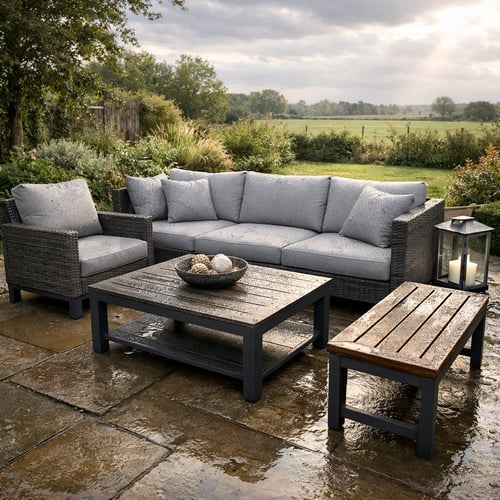
Maintaining synthetic rattan proves remarkably simple. Regular cleaning with mild soap and water keeps it looking fresh, whilst brushing debris from weave gaps prevents dirt accumulation. At Dako, our garden furniture sets include weather-resistant rattan options designed specifically for UK conditions, combining durability with style.
Final choice: which material works best in UK weather
Synthetic rattan emerges as the most practical all-rounder for British gardens, delivering excellent performance without demanding intensive maintenance. Quality hardwood suits those valuing natural aesthetics who don't mind regular upkeep, whilst metal furniture offers low-maintenance contemporary designs with excellent longevity. Each material serves different priorities, so matching furniture choice to your lifestyle ensures long-term satisfaction. When selecting the best garden furniture for UK weather, consider your storage options, maintenance willingness and aesthetic preferences to find the perfect solution!
Explore more topics:
Author: Dako Furniture Team