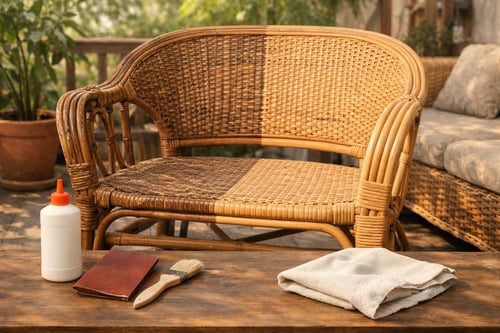
Rattan furniture adds elegance to outdoor spaces, but exposure to the elements inevitably causes wear. Strands loosen, colours fade, and joints weaken over time. Fortunately, most damage can be addressed with straightforward techniques and readily available materials. Learning how to repair rattan furniture properly extends the life of your pieces and maintains their aesthetic appeal. This guide covers practical methods for restoring both natural and synthetic rattan to excellent condition.
How to repair rattan furniture like a pro: simple fixes that really work
Before grabbing tools, take time to inspect every inch of your furniture. Look for loose strands, cracked sections, faded areas, and weak joints. This initial assessment determines which repairs you'll need and helps gather the right materials. Most issues can be resolved with basic supplies like strong adhesive, fine-grit sandpaper, replacement weave material, and protective finish – all available at local hardware shops or online retailers.
Understanding common rattan damage and its causes
Weather conditions are the primary culprit behind rattan deterioration. Rain, sun, and temperature fluctuations weaken fibres and fade colours over time. Knowing how to fix rattan furniture properly starts with identifying the root cause of deterioration.
The most frequent issues include:
- Loose or broken weave strands from tension loss
- Cracked or split rattan poles due to drying
- Faded or discoloured finish from UV exposure
- Wobbly frame connections from moisture damage
Quick fixes for minor rattan damage
Small repairs often require minimal effort and prevent minor issues from becoming major problems. For loose weave, apply wood glue underneath the strand and press firmly until dry. If you notice scratches, smooth them with fine sandpaper, then treat with matching stain or paint. A few minutes spent checking your furniture each month can prevent hours of repair work later.
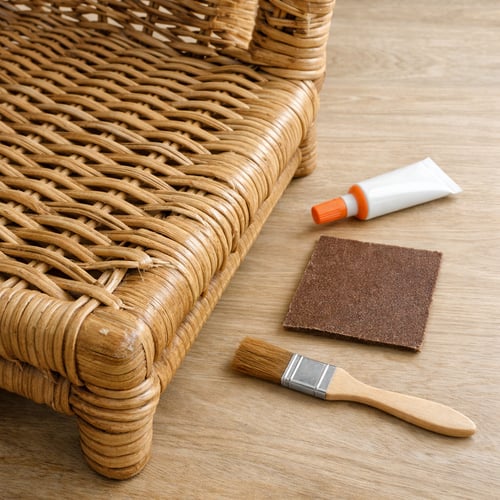
Rattan furniture repair tips to bring your favourite pieces back to life
When strands break completely, reweaving becomes necessary. Cut away the damaged section cleanly, leaving enough length to secure new material. A rattan repair kit with quality replacement strands makes this process much easier. Soak replacement rattan in warm water for 30 minutes to make it flexible, then weave the new strand through the existing pattern, securing ends with strong adhesive. Allow 24 hours for glue to cure fully before use.
The reweaving process requires patience but delivers professional-looking results. Match the weave pattern carefully, maintaining consistent tension throughout. In our range, you'll find quality rattan garden furniture built with durable weave that resists damage, though even the best pieces may eventually need attention. Working with slightly damp replacement material makes it easier to manipulate and creates a tighter, more secure weave.
Choosing the right materials for your repair project
Selecting appropriate materials makes a significant difference in repair quality. Natural rattan requires different products than synthetic alternatives. When learning how to restore rattan furniture, understanding material compatibility is crucial. Oil-based stains work best for authentic rattan, while synthetic pieces accept acrylic products more readily.
Restoring colour and finish to faded rattan
Sun exposure fades rattan over time, but colour restoration brings back original beauty. Clean the surface thoroughly with mild soap and water, then let it dry completely. Sand lightly to remove old finish and create a smooth base. Apply outdoor-appropriate stain or paint in thin, even coats, allowing proper drying time between layers.
Follow these steps for best results:
- Use oil-based products for natural rattan
- Choose acrylic paints for synthetic materials
- Apply two to three light coats for optimal coverage
- Finish with clear sealant for UV and moisture protection
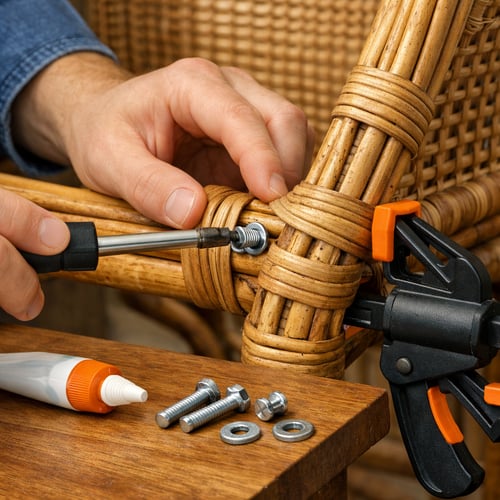
Strengthening and reinforcing loose joints
Wobbly frames compromise both safety and appearance, so strengthening loose joints is essential. Tighten all screws and bolts first, replacing any that are stripped or rusted. For glued joints that have separated, clean away old adhesive completely before reapplying. Use clamps or weights to hold pieces together while glue sets. Effective rattan furniture repair always addresses underlying structural issues, not just cosmetic damage.
Reinforcing weak areas prevents future problems and extends furniture life significantly. Add corner braces to frames that experience heavy use, and replace damaged screws with slightly larger ones for better grip. These preventive measures take minimal time but provide maximum benefit, especially for pieces that see daily use during warmer months.
How to repair outdoor furniture and keep it looking beautiful year after year
Once repairs are complete, protection becomes crucial for long-term durability. Apply weatherproof sealant annually and cover your furniture during harsh weather. Learning how to repair rattan garden furniture is just the first step – proper ongoing care ensures those repairs last.
Keep furniture in top condition with these practices:
- Wipe down surfaces weekly during peak season
- Address small problems immediately before they worsen
- Move furniture to shaded areas during extreme heat
- Inspect joints and weave regularly for early signs of damage
How to repair outdoor furniture and keep it looking beautiful year after year
Once repairs are complete, protection becomes crucial for long-term durability. Apply weatherproof sealant annually and cover your furniture during harsh weather. Learning how to repair rattan garden furniture is just the first step – proper ongoing care ensures those repairs last.
Keep furniture in top condition with these practices:
- Wipe down surfaces weekly during peak season
- Address small problems immediately before they worsen
- Move furniture to shaded areas during extreme heat
- Inspect joints and weave regularly for early signs of damage
Bringing your rattan furniture back to life: it's easier than you think
Repairing rattan furniture is a rewarding project that saves money and reduces waste. With basic tools and patience, most common problems can be resolved at home. Whether you need to repair rattan furniture for the first time or you're tackling a more complex restoration, regular maintenance and prompt attention to minor damage keep outdoor spaces looking their best. In our offer, there's a wide selection of durable garden furniture designed to withstand the elements, making it easier to enjoy beautiful outdoor living for years to come.
Explore more topics:
Author: Dako Furniture Team