
Both a futon and a sofa bed promise the same thing: a seat by day and a bed by night, but they get there in different ways. A futon keeps its mattress on show and stays light and simple, while a sofa bed hides a fuller bed inside a proper sofa frame. So which wins? A sofa bed usually takes it for everyday comfort and sleep, while a futon takes it for price and portability. From there, the right choice depends on how often you sit, how often guests stay, and how much room you can spare. Compare both side by side below and choose with confidence!
What to weigh up:
- Main difference: a futon is a mattress on a folding frame, a sofa bed is a sofa that opens into a bed
- Everyday comfort: sofa beds usually sit better because they are built as a sofa first
- Daily use: ranges made for everyday use, like Dako's own sofa beds, pair real seating with a proper sleeping area
- Space and price: futons cost less and move easily, sofa beds offer more style and storage
- Guests: a fuller, softer mattress tends to win over overnight visitors
Futon vs. sofa bed: what's the main difference?
The main difference is simple: a futon is a padded mattress on a low frame, while a sofa bed is a sofa that opens out into a bed. A futon keeps its sleeping surface visible and firm, whereas a sofa bed tucks a softer mattress inside and folds out only when needed.
What is a futon?
A futon is a flat, cotton-filled mattress on a wooden or metal frame that folds from a seat into a bed. A traditional futon bed sits low to the floor and uses the same mattress for sitting and sleeping, so it feels firm and casual. A futon sofa bed is a slightly taller version that works as a couch by day and a simple bed at night.
What is a sofa bed?
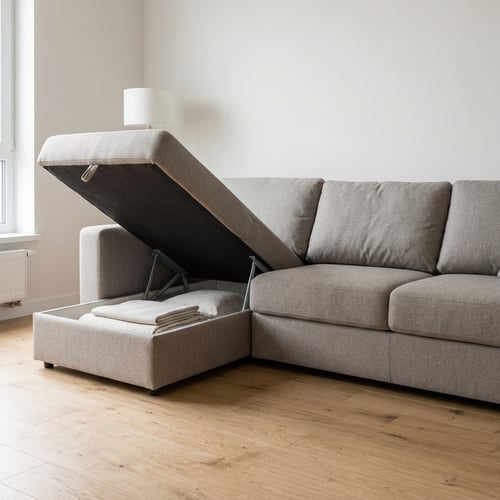
A sofa bed is a full sofa with a bed built into it, released by lowering the backrest or drawing a mattress out from under the seat. A pull-out sofa bed hides a sprung or foam mattress in the base, so it looks ordinary until needed. Most sofa beds today use this concealed layout rather than an exposed futon pad.
Which is better: futon or sofa bed?
For most homes, a sofa bed is the better all-rounder, unless budget, weight, and a firmer feel push you towards a futon. Options run from a simple futon to full corner sofas that double as beds, so here is how the two compare at a glance:
Feature | Futon | Sofa bed |
Construction | Mattress on a folding frame | Sofa with a hidden or fold-out bed |
Everyday sitting | Firm and casual | Comfortable and sofa-like |
Sleeping comfort | Thin, firm surface | Thicker, closer to a real bed |
Space use | Very compact, folds flat | Compact models exist, but heavier |
Price | Lower, budget-friendly | Higher, with more choice |
Maintenance | Simple, but the pad can flatten | Sturdier, cover often washable |
Best for | Small budgets, occasional use | Daily use and overnight guests |
Futon pros and cons: lightweight and budget-friendly
Futons are cheap to buy, easy to carry, and quick to fold, which makes them a natural fit for first flats, box rooms, and the occasional guest.
Where a futon makes sense:
- Low cost: one of the cheapest ways to get a seat and a spare bed in one
- Light and portable: simple to shift between rooms or take with you when you move
- Small footprint: a slim frame that suits box rooms and studio flats
- Firm support: a flat, supportive feel that some sleepers genuinely prefer
The trade-off is comfort over time: a futon pad tends to flatten with daily use and rarely feels as plush as a padded sofa.
Sofa bed pros and cons: style, comfort, and longevity
A sofa bed looks and behaves like a normal sofa, so it earns its place in a living room long before anyone sleeps on it. You get a far wider choice of shapes, from a 3-seater sofa bed to an L-shaped corner design, plus colours, and materials a plain futon frame cannot match.
The drawbacks are weight and cost: a good sofa bed is heavier to move, pricier up front, and matching it into a full sofa set adds to the bill. For most buyers that outlay pays off in better daily comfort and a bed guests enjoy.
Which is better for everyday sitting: futon or sofa bed?
For sitting day in, day out, a sofa bed is the more comfortable choice because it is engineered as a sofa first and a bed second. A futon uses the same firm pad for sitting and sleeping, so it can feel hard beneath you over a long evening. At Dako, our sofa beds are built for exactly this kind of daily use, and many of them are corner designs that pair generous seating with a proper sleeping area, worth a look if you sit on it daily.
Sleeping comfort compared: futon mattress vs. sofa bed mattress
Neither wins automatically on sleep; it comes down to mattress thickness and support, not the label on the box. A futon mattress is usually thin and firm, which suits people who like a hard surface but can feel too solid for others. A sofa bed mattress is generally thicker and, on a pull-out frame, gives a flatter surface much closer to a real bed, so for regular sleeping a double sofa bed is kinder to backs than a narrow futon.
Space-saving showdown: which fits better in small rooms?
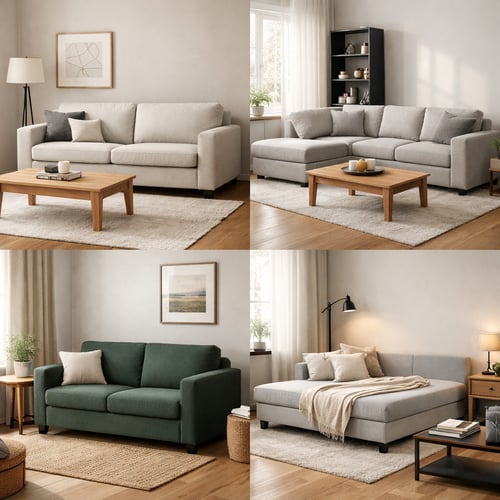
In the tightest rooms, a futon often saves the most floor space, yet a well-chosen sofa bed can match it while working harder the rest of the time. A small sofa bed or a single sofa bed folds into the corner of a studio without crowding it. Modular sofas let you size the seating to the room, while a corner sofa bed uses an awkward wall corner for both seating and a bed.
Smart picks for small rooms:
- Small footprint: a two-seat frame that fits a studio or spare office
- Narrow single: a chair-width option for the odd overnight guest
- Corner unit: uses the wall corner to add a bed without eating the middle of the room
If clutter is the real enemy, a corner sofa bed with storage hides spare bedding inside the base, so a small room stays tidy.
Price comparison: is a futon cheaper than a sofa bed?
Yes, a futon is almost always cheaper than a sofa bed, frequently by a wide margin. Basic futons sit at the budget end because the frame and mattress are simple, and you'll typically spot them next to cheap sofas in furniture stores. A sofa bed costs more because you are paying for a full sofa plus a fold-out bed, better cushions, and a wider spread of upholstery and colour.
Durability and maintenance: which option lasts longer?
Over years of daily use, a sofa bed generally lasts longer than a futon, provided you look after the mattress and frame. Futon pads flatten faster because one surface takes all the sitting and sleeping, whereas sofa beds spread that wear across separate cushions and a folded mattress. Leather sofas wipe clean the easiest, while fabric covers benefit from a quick routine.
Keep either one lasting longer:
- Rotate the mattress so one side does not wear out before the other
- Vacuum the seams and cushions to stop grit grinding away at the cover
- Air the bed after guests leave to keep the foam fresh
- Check the frame and tighten any loose bolts once or twice a year
A sofa bed with storage also keeps bedding dust-free between uses. The best sofa bed for the long run has a removable, washable cover and a mattress you can turn.
Futon vs. sofa bed for guest bedrooms: what do visitors prefer?
Guests almost always prefer a sofa bed because a fuller, softer pull-out mattress feels much closer to a real bed than a firm futon pad. A futon still works for the odd overnight stay or an occasional guest, but for a spare room that doubles as a study, a sofa bed gives visitors a proper night's sleep and comfortable seating all year. If a sofa bed is the better fit, Dako's range is built around practical seating, a proper sleeping area, and styles that suit everyday homes - a sensible place to start once you have weighed up both options.
Author: Dako Furniture Team